Iridology
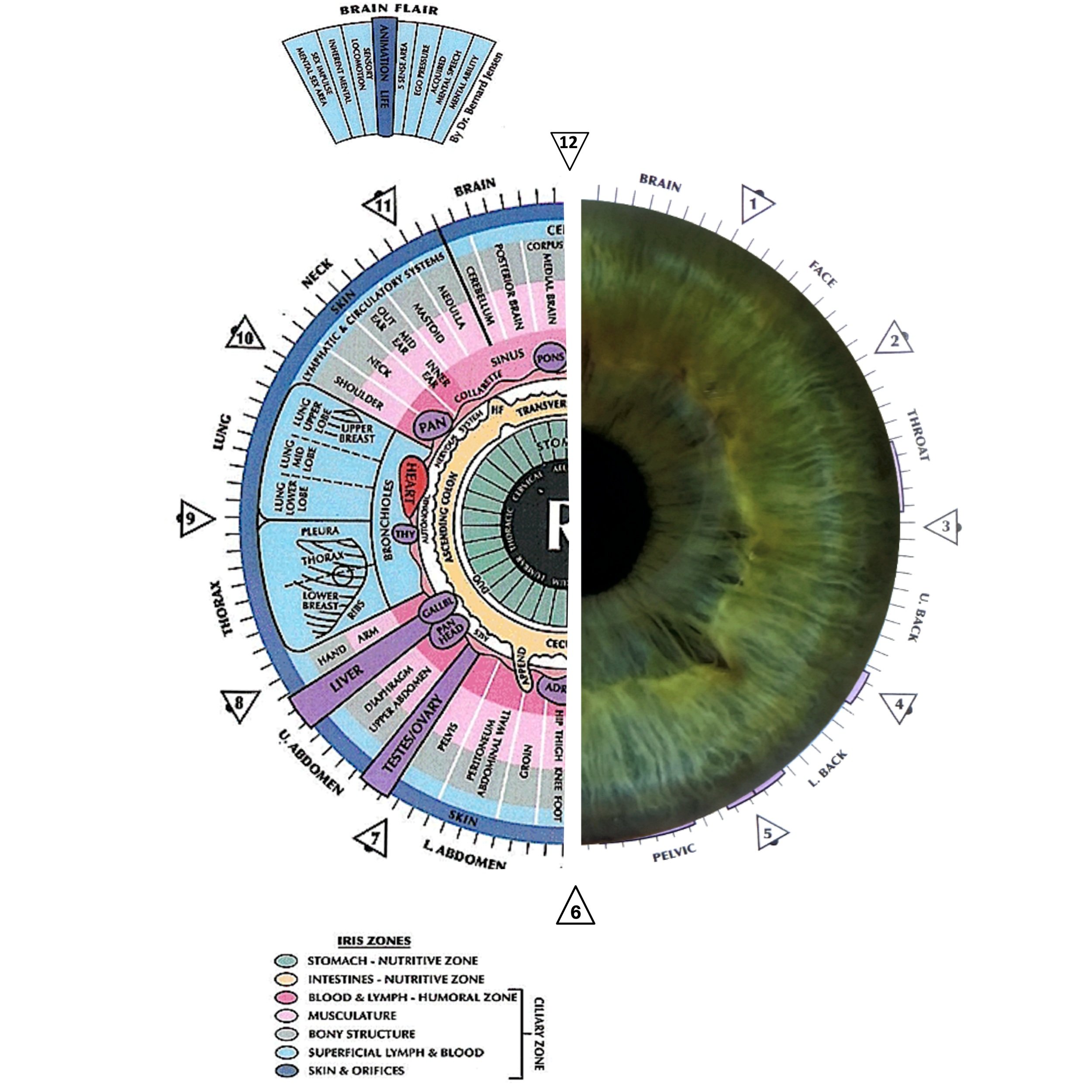
Iridology is the study of the iris, pupil, and sclera. Each iris has its own unique pattern of colours, fibre density, and structures. Each pattern represents the flow of energy within the different body systems. The "fibre" structure of the iris, "pigmentation", "spots" or "rarefaction", as they are referred to during a consultation, are all indicators of potential strength or energetic dysfunction.
When examining an infant's eye, it appears clear and bright, in contrast to the dull, murky, milky, and often glazed eyes of the elderly. Over time, accumulations of toxic waste, acids, and catarrh infiltrate various tissues, impacting weaker organs and altering the iris's colour and appearance. Inorganic minerals, salt, drugs, and suppressive treatments leave deposits reflected in the iris.
The iris can indicate whether the body is eliminating or retaining wastes, and the condition of the nervous, circulatory, or lymphatic systems.
Dysfunction may be a sign of a family history of a certain — possibly hereditary — condition that you may be susceptible to. Therefore, attention to certain system(s) is required. It can also be a sign of a condition you may experience in your lifetime. Most often, signs relate to something you already know. For example, many people change their diet because they have difficulties digesting some foods, or foods that are generating discomfort or pain, and then Iridology reveals that they may be intolerant to gluten, or have predisposed lower gastrointestinal integrity, or that stress has a greater impact on their digestive system than in most people.
“Iridology is a universal language, true for all cultures, people and ages… As the eye is composed of original embryonic brain tissue, the iris displays brain discrimination of sense organs and body feedback, right and left hemispheres, and the entire life of a person, body, mind and spirit. Iridology resonates harmoniously with the principles of holistic, alternative, and complementary natural medicines.The eyes emerge from the forebrain of the human embryo at 6 mm in size. At 13 mm, the eyes separate forward to the outside of the body and remain connected to the Hypothalamus in the brain by over 30,000 optic nerves that provide information gathered from all areas of the body is transmitted between the brain and the iris.”
In other terms, nerves connected to every single part of the body will display energetic weaknesses in the exact zones of the iris. This is why, I believe, Iridology to be extremely accurate.
It does not mean, however, that by looking at the iris, a practitioner can tell when you are going to die, if you have cancer and what stage it is (even though there might be indications of tissue degeneration), or to use it as a tool to "treat" you.
Iridology, again, as a holistic method, does not endorse the modern medicine “one pill for an ailment” approach.
In fact, iridology avoids naming diseases; it doesn't pinpoint 'asthma' or 'arthritis' but reveals inflammation and the extent of tissue or organ involvement. Iris analysis is a powerful tool for understanding the whole person, identifying your constitution, strengths, and weaknesses. While the iris has broad applications, its primary value lies in uncovering underlying causes.
As clearly understood in Traditional Chinese Medicine, it is all about energy and how it circulates in the body; when there are blockages or stagnation, disease occurs. Furthermore, much of the dysfunction identified in iris reading can reveal disorder-associated emotional imbalances. For example, signs in the liver zone can be an indication of holding onto past anger and likely suppressed feelings. The heart-thyroid axis is also an indicator of poor emotion management and the inability to express our feelings. Subsequently, blockages form between the heart and the thyroid, placing heavy strain on the heart. This can lead to bitterness and poor coping mechanisms, as well as toxic thought patterns and negative self-talk.
It is believed that each organ has specific emotional precursors that, in an area of weakness, can trigger a set of physical symptoms. Some have been studied extensively. Some of the most well-known connections are:
Highly recurring throat infections can develop in people who feel they are not heard, that they are unable to voice their feelings, or that no one is listening or cares about what they have to say.
An inflamed gallbladder is associated with hidden emotions like hatred, bitterness and the inability to forgive.
Stomach complaints are often associated with the feeling of “it makes me sick to my stomach!”
Iridology-proven science includes a Type, a Subtype, and a Diathesis, all of which include the fibre structure of the iris, the shape and position of the “rings”, and markings and signs position. These signs, even though nobody may have the same iris in the world, will relate to your own body's flow of energy and health status.
As a practitioner, Olivier uses iridology in his holistic approach to health, as a tool to confirm observations from a nutrition consultation. It may even bring further questions that he could perhaps have missed otherwise during the face-to-face assessment.
Book your consultation
Find out what your iris tells about your health.
We are all equals; however, we are all different, and yet the same.
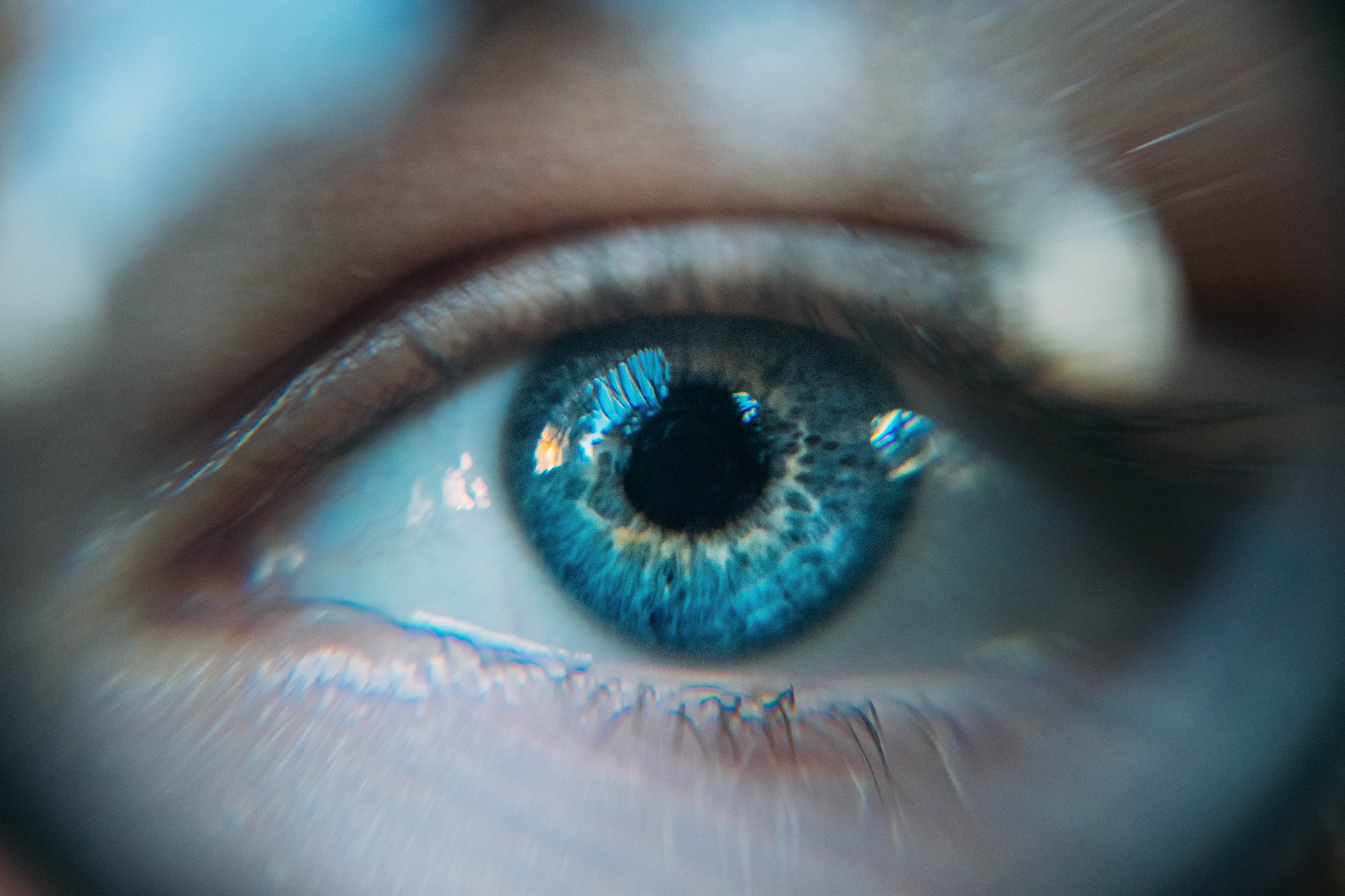
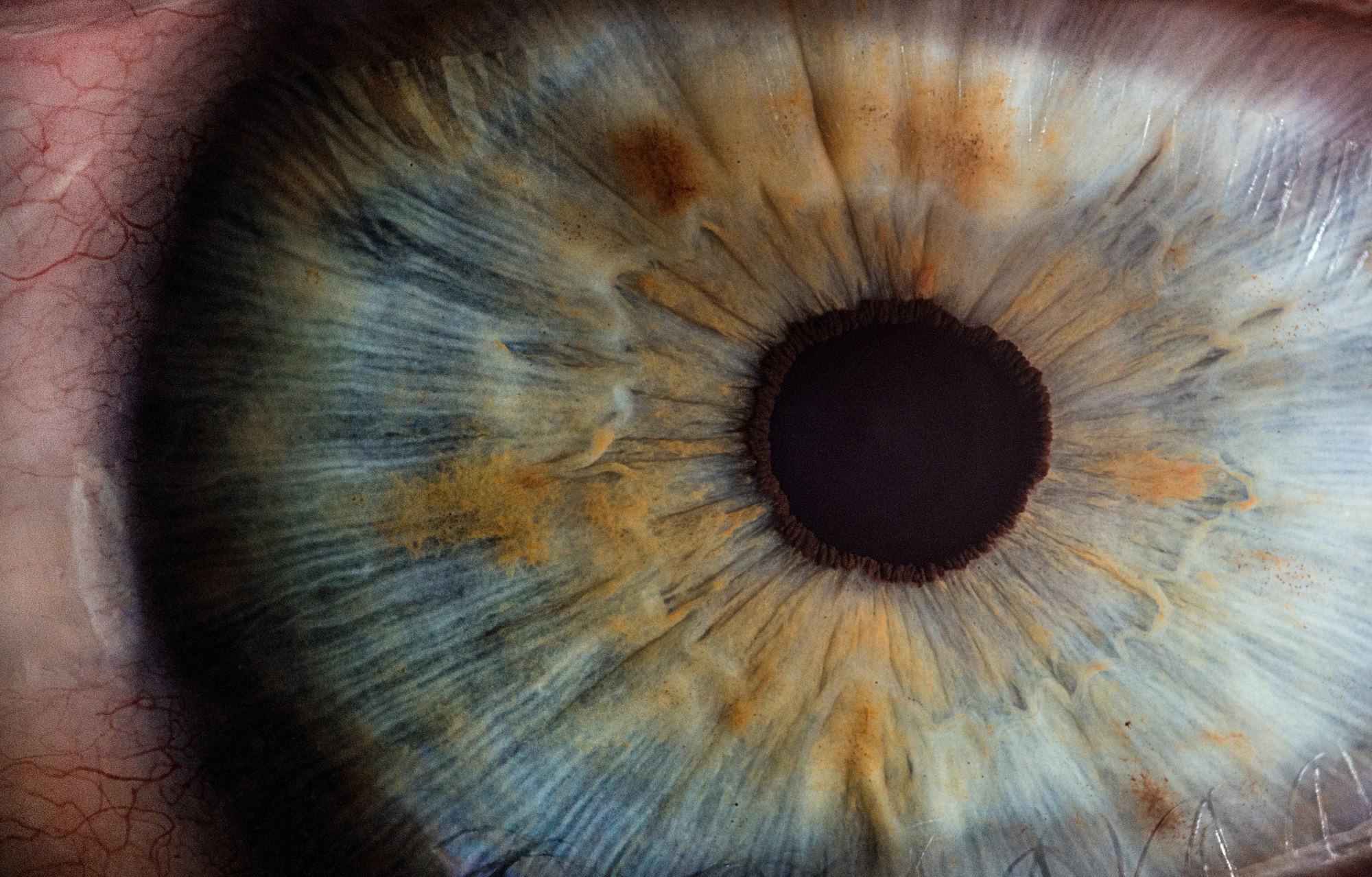
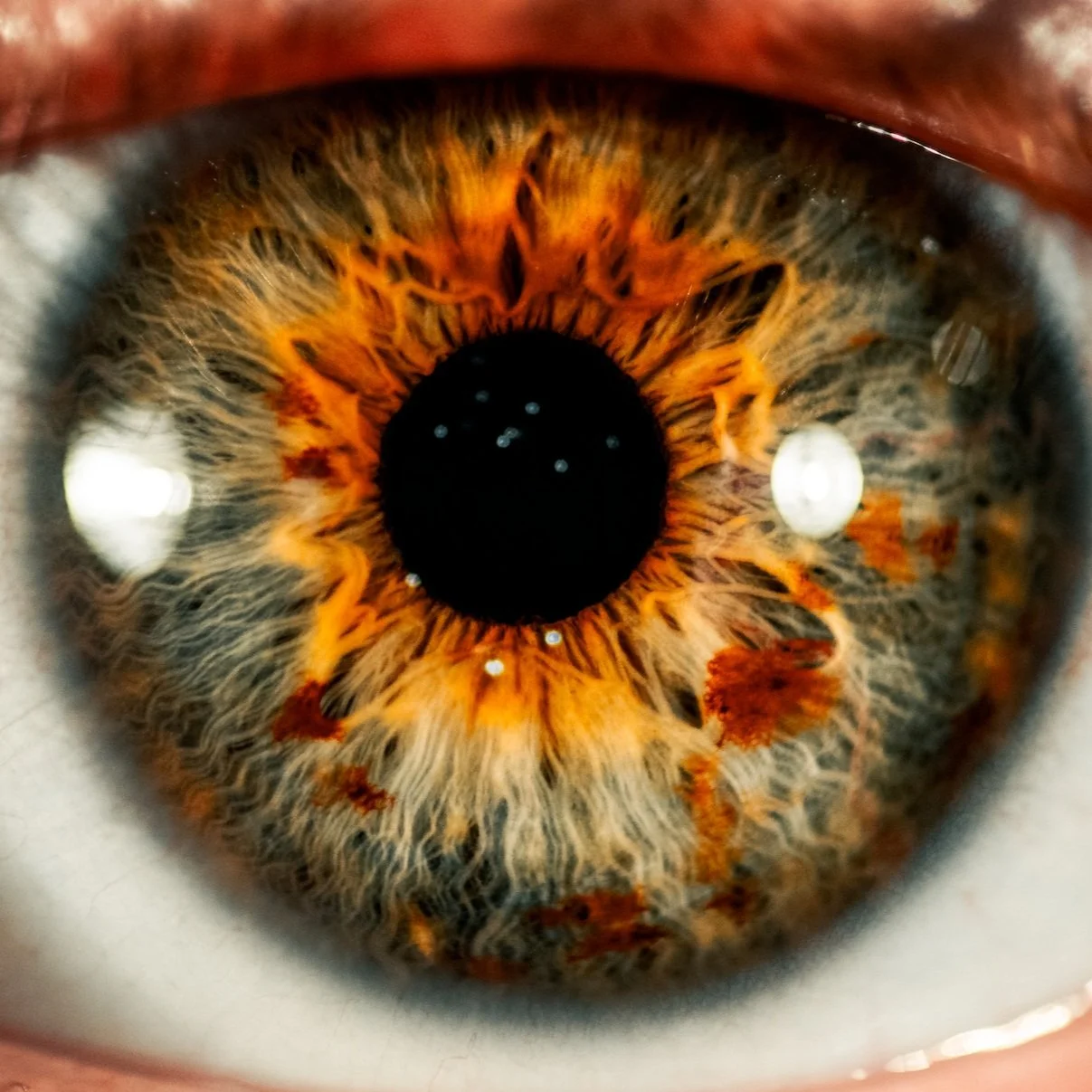
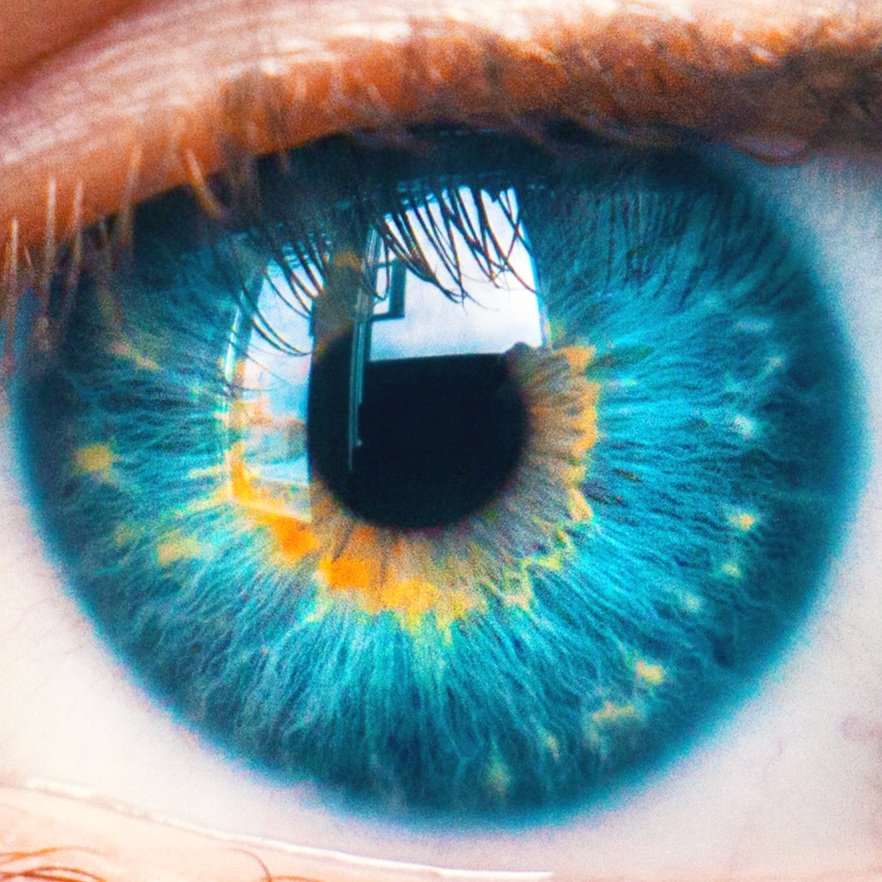
Looking at the different types of irides below, it is clear that they are distinct.
The iris is for us, practitioners clear indication of constitution (the density of fibre), genetic predisposition and reactivity to environment and other internal factors (signs and markings), as well as functional issues (shape of pupil can indicate spine adjustment issues, and impact on nerve tissue), and how our response to stress may aggravate it all. Some fields of iridology are dedicated to behavioural patterns and give further diagnostic tools.
Openings in the fibre and pigmentation are all indications of susceptibility to develop (or having developed) certain conditions and suitable treatments. Those indications are scientifically proven to be accurate.
Why trust Nutrunity?
Studying and years of training are the most important factors when meeting with a health practitioner, regardless of their vocation.
We believe in having all the facts at hand and understanding the basis for what makes a normal person a conscientious and responsible professional. For Olivier Sanchez, it starts with studying by jumping in the deep end and training on difficult case studies. By doing so, he has learned to refine his diagnostic skills and now knows what to do and how to apply them so that all of our clients can benefit from his expertise and indisputable ethics.
Having graduated at the top of his class in Nutrition and Naturopathic Medicine, Olivier is even prouder to have earned the highest academic grade in Iridology.
Clinical appraisal from Peter Main-Jackson, the most prominent UK-based Iridologist, was heart-warming and confidence-boosting: "A very impressive submission closely referenced and thoroughly discussed. A confident set of cases that leaves me feeling satisfied that we have turned out an excellent practitioner! Top of the Class!"
Nutrunity is accredited by the Guild of Naturopathic Iridologists International, the leading professional organisation for qualified naturopathic iridologists in the UK and internationally.
Consultation:
What’s included?
Close-up of irides (pictures send via email in pdf file post-consultation). Use of direct light. Inform us if you are sensitive to light.
Review of major signs and markings
Iridology diagnosis: how signs and marking relate to your health today
Nutritional plan: dietary and lifestyle recommendations
If there are clear indications of imbalances, which relate to your current state of health that you want to address in more depth, you may be recommended to book a more comprehensive nutrition consultation.
£115
Iridology Consultation
Consultation may last up to 45 minutes. Follow-up 30 minutes.
In-house visits available in Central and East London areas.