Hydration: Unlocking the Secret to Vitality for Body and Mind
Navigating Myths and Science
Water is life’s essential element. Water is often called the essence of life, and for good reason. Every cell, every function in our body, depends on adequate hydration. Yet in modern times, the question of how much water we truly need is a nuanced topic, colored by lifestyle, environment, and the body’s remarkable adaptability. While we know hydration is critical for health, emerging insights reveal how dehydration silently influences not only our physical well-being but also our cognitive function, mental health, and capacity to manage environmental toxins.
Yet the question remains: in our modern, toxin-laden lifestyle, do we need to drink more water, or could less sometimes be enough?
The Hidden Costs of Dehydration on the Brain and Mood
Beyond the physical changes, dehydration also affects key brain chemicals like dopamine and serotonin, which help regulate our mood and how we handle stress. When fluid levels drop, these neurotransmitters don’t work as well, leading to feelings of irritability, anxiety, and mental tiredness. In addition, dehydration can raise levels of cortisol, one of the body’s stress hormones, even when we don’t feel thirsty.
This can make us more sensitive to stress and reduce our mental resilience over time. If dehydration continues unchecked, it can contribute to problems like mood disorders, poor sleep, and cognitive decline, although these effects usually develop gradually.
Understanding these connections highlights why staying well hydrated is essential, not just for physical health, but also for remaining sharp, calm, and emotionally balanced. Small steps like drinking water regularly throughout the day can support both our brain function and overall well-being.
Lessons from the Sahara: The Bedouin Paradox
How then do the Bedouins manage to survive — and thrive — in the Sahara Desert with remarkably low water intake, often drinking only two small glasses daily? The answer lies in their lifestyle and environment, deeply intertwined with their hydration needs.
Unlike modern indoor living, Bedouins experience natural temperature extremes aligned with nature’s rhythms. Their bodies adapt through lifestyle practices honed over generations: extensive outdoor activity, natural sweat cycles without antiperspirant interference, and likely metabolic adaptations that conserve water efficiently.
In contrast, our indoor habitats are often climate-controlled in ways that defy natural seasonal patterns( overheated in winter and chillingly cold in summer), which disrupts our thermal regulation and dehydration signals. Additionally, the common use of antiperspirants blocks sweating, a key detoxification pathway, further complicating our body’s hydration needs.

Scientific observations and studies on Saharan nomads (including Bedouins) confirm that their total water intake is indeed very low and consumption frequency is limited (sometimes just once or twice daily). This strict water economy is supported by unique dietary practices with low protein and salt intake, behavioural customs such as wearing veils and carefully choosing clothing to reduce water loss via sweating, and genetic factors that may contribute to efficient water and salt conservation through the skin.
Moreover, Bedouins living in the desert do not live sedentary or climate-controlled lives. They spend much of their time outdoors, actively avoiding excessive sweating by bright covering and moving in ways that minimise water loss. This natural adaptation to temperature fluctuations, including cold desert nights and hot days, helps regulate body temperature without requiring large amounts of water intake. Bedouins also commonly drink tea with sugar, which aids deeper hydration and energy, rather than just plain water.
That said, more recent studies suggest that Bedouin and similar desert dwellers often sustain a low level of chronic dehydration, which can lead to health issues like kidney disease and concentrated urine, indicating their baseline hydration status is not fully “euhydrated” by standard definitions. The desert conditions and their lifestyle necessitate strict water rationing, but it’s not an ideal or recommended norm outside this unique environment.
It should be recognised as a highly specialised adaptation to extreme conditions. This does not directly translate to typical modern indoor lifestyles, which face environmental challenges and toxin exposures, where hydration needs are generally higher and influenced by additional factors.
Environmental Stressors and Hydration’s Role in Detox
Modern life exposes us to constant low-level toxins and radiation through pollution, electronic devices, and manufactured chemicals. These substances enter our bodies with every breath, through our food, and by skin contact. Our water intake directly influences how effectively we can eliminate waste and toxins. Proper hydration supports kidney function, lymphatic flow, and cellular detox pathways.
When hydration falters, toxins accumulate, increasing inflammation and oxidative stress, both linked to chronic diseases and cognitive decline. Dehydration can therefore accelerate wear and tear on the body and brain, diminishing vitality over time.
Modern Life Demands Mindful Hydration
Our physiology requires more conscious hydration to offset indoor environments and the toxic load we endure. However, hydration is not just about quantity; quality, timing, and balance with electrolytes are critical. However, drinking excessively can cause imbalances like hyponatremia, disrupting electrolyte homeostasis with dangerous consequences. So balance and using common sense are essential.
Current scientific consensus recommends approximately 2 to 3 litres of fluids daily for most adults, adjusting for activity, climate, and health status. Hydration should be steady throughout the day rather than consumed in large volumes sporadically. Incorporating water-rich foods such as fruits and vegetables also supports fluid balance. Monitoring the colour of urine can offer a simple hydration check: a pale yellow indicates good hydration, while darker shades suggest the need for more fluids.
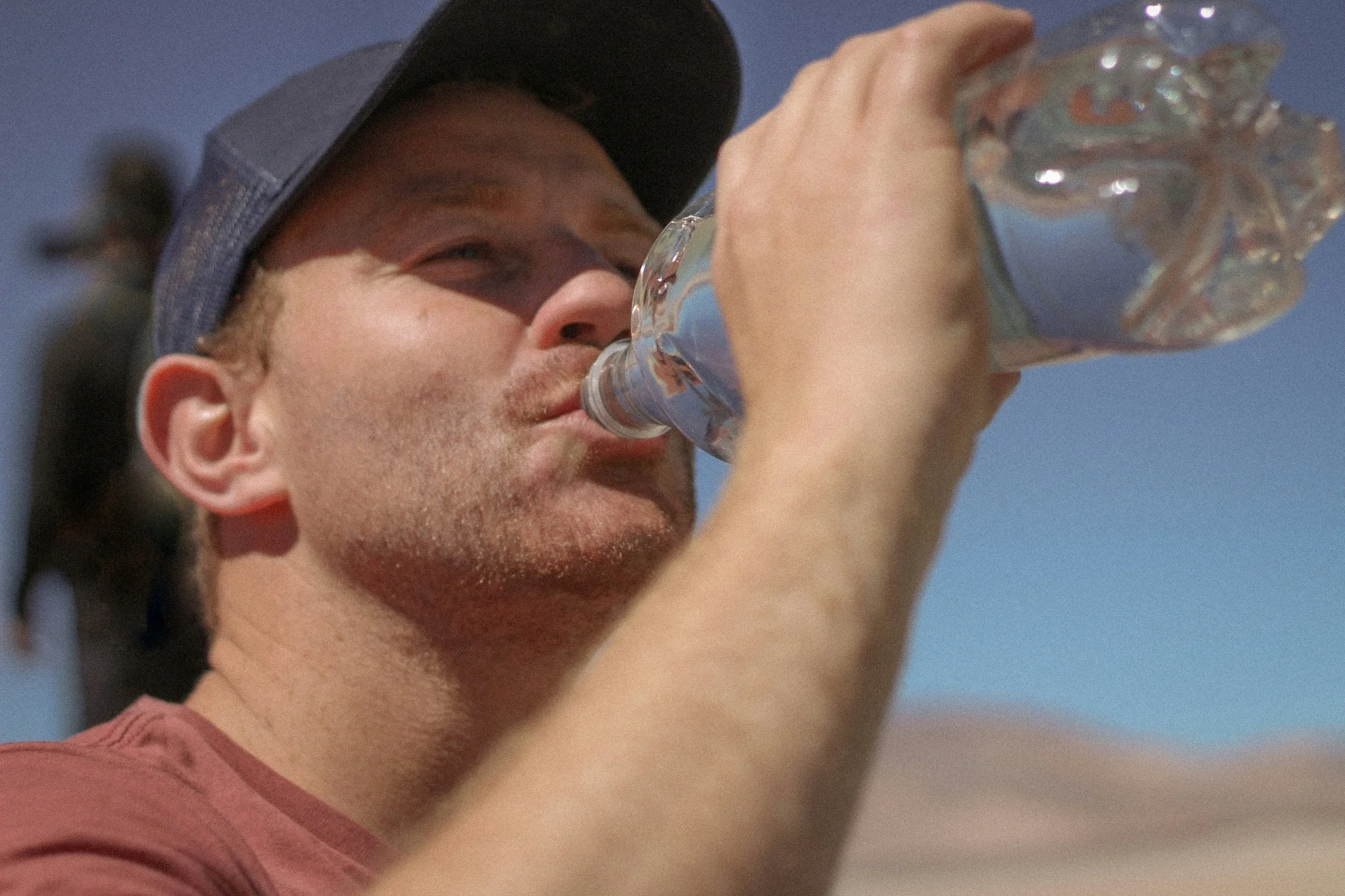
8 glasses a day
The "8 glasses a day" myth is a long-standing piece of health advice that originated from a misunderstanding of a 1945 recommendation and a 1974 book. However, companies like Danone, which owns Evian, have continued to promote increased water consumption through initiatives like "Hydration for Health" and are criticised for marketing the myth for commercial gain.
1945 recommendation:
A recommendation from the U.S. Food and Nutrition Board suggested 2.5 litres of daily fluid intake, but this included water from all sources, including food.
Outdated book:
A 1974 book by nutritionist Frederick J. Stare recommended 6 to 8 glasses of water, but also included other beverages and foods as sources of water.
Bottled water industry:
The bottled water industry, including Evian's parent company Danone, has been accused of using the "8 glasses a day" idea as a marketing tactic to boost sales.
Scientific consensus:
Health experts largely agree that the 8-glasses-a-day rule is not based on solid scientific evidence and that water needs vary depending on an individual's diet, activity level, and environment.
“Health experts largely agree that the 8-glasses-a-day rule is not based on solid scientific evidence and that water needs vary depending on an individual’s diet, activity level, and environment.”
Hydration’s role in detoxification, cellular health, and organ function
This mechanism bypasses the slower processes of water and ion transport across cellular membranes, such as osmosis driven by salt or solute gradients, highlighting how proteins themselves play an active role in cellular water regulation. The delicate balance of hydration within cells influences essential biochemical reactions, including protein folding, enzyme activity, and the synthesis of ATP, the energy currency of cells produced predominantly in the mitochondria. Adequate cellular hydration ensures that these processes run efficiently, which is critical for maintaining metabolic homeostasis and cellular health as we age.
On a broader scale, disruptions in cellular hydration state have profound implications. Cellular shrinkage can impair membrane integrity and hinder nutrient exchange, leading to energy deficits and metabolic dysfunction. Conversely, excessive swelling can cause cellular injury or death if tightly controlled mechanisms fail. Maintaining optimal hydration thus becomes a fundamental aspect of supporting cellular resilience, metabolic regulation, and detoxification pathways, particularly crucial for organs like the liver and kidneys. These organs depend heavily on water to filter blood, detoxify harmful substances, and excrete metabolic waste efficiently. Proper hydration promotes the elimination of toxins and waste products via urine, preventing accumulation that could otherwise contribute to inflammation, oxidative stress, and chronic disease progression.
Hydration is also essential for bowel elimination and prevents the retention of waste (toxic colon, and hormonal reuptake that can participate in oestrogen dominance syndrome) and chronic constipation.
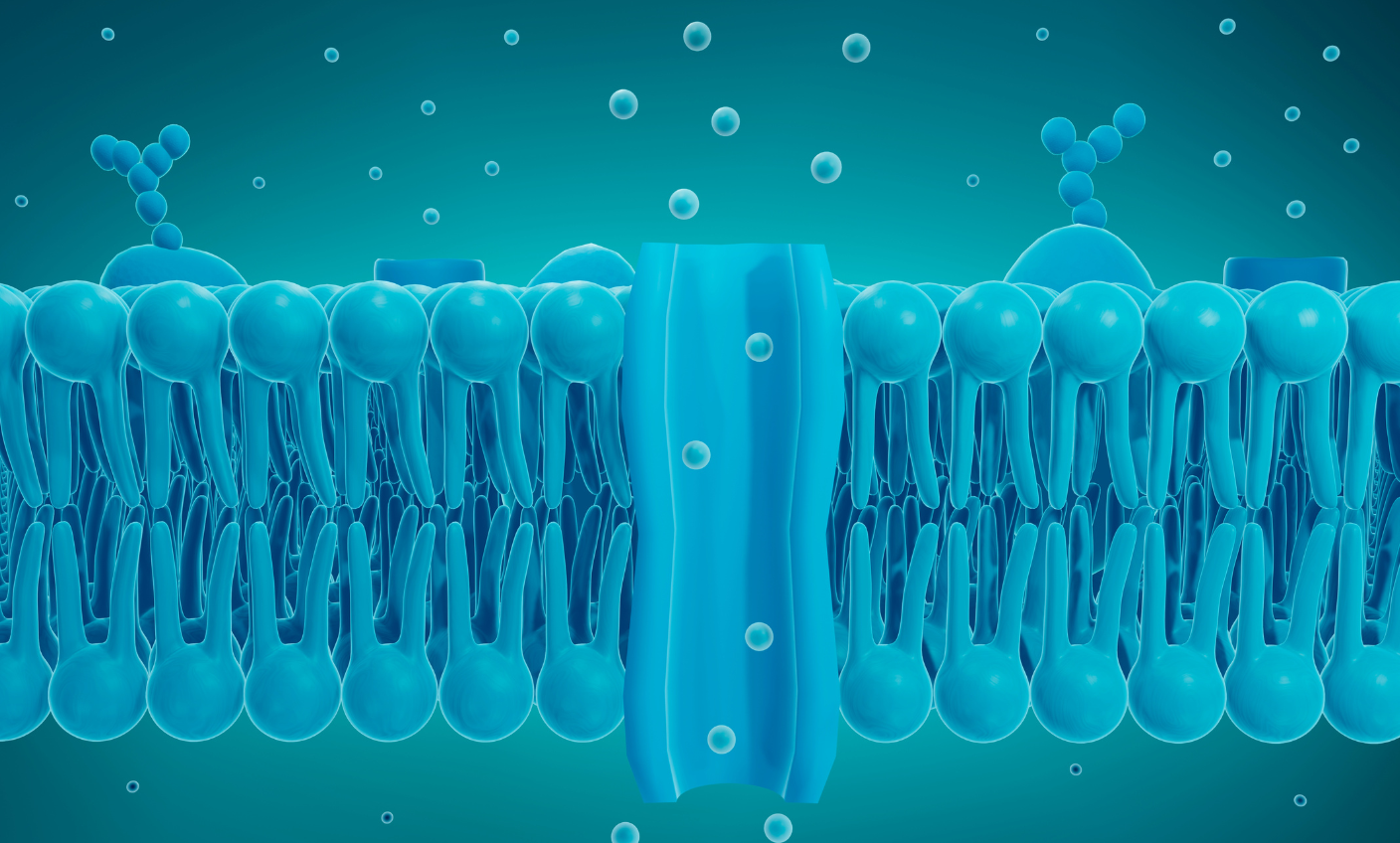
Cellular hydration pathways and molecular mechanisms
Water movement and hydration at the cellular level are governed by complex and tightly regulated molecular pathways that maintain osmotic balance and preserve cell volume, which is essential for optimal function. Water freely crosses cell membranes primarily via specialised channel proteins called aquaporins, which facilitate rapid and selective transmembrane water flux according to osmotic gradients created by solute concentrations on either side of the membrane. These osmotic gradients are maintained mainly by the differential distribution of electrolytes such as sodium (Na+), potassium (K+), chloride (Cl-), and bicarbonate (HCO3-), regulated by active transporters and ion channels, including the Na+/K+ ATPase pump and various cotransporters.
In response to dehydration or hyperosmotic stress, cells invoke regulatory volume increase (RVI) mechanisms to restore volume and hydration. This involves activating ion transporters that increase intracellular osmolyte concentrations, thereby drawing water into the cell to counteract shrinkage. Conversely, under swelling or hypoosmotic conditions, regulatory volume decrease (RVD) pathways promote ion efflux and water exit to prevent cellular rupture. These volume regulatory processes are mediated by tightly controlled cascades of signalling molecules, including calcium ions and protein kinases, which modulate transporter activity and cytoskeletal rearrangements.
35% of the water distribution in the body is extracellular. This means that 75% of all water is retained inside the cells, making them like inflated balloons filled with water. This retention allows them to keep their shape and function and enables the exchange of ions through their membranes. Without this water, cells shrink and their function is deeply affected.
Maintaining a hydrated cytoplasm ensures proper protein folding, enzymatic activity, ATP synthesis, and membrane stability. Significantly, the hydration state influences cellular metabolism, oxidative stress response, and susceptibility to apoptosis. For instance, dehydration-induced volume loss can impair mitochondrial function and increase reactive oxygen species production, while adequate hydration promotes cellular repair and resilience.
On an organ level, these cellular hydration processes are critical for detoxification functions. The kidneys rely on osmotic gradients and hydration to concentrate urine, facilitating the excretion of metabolic wastes and toxins. Liver cells (hepatocytes) require optimal hydration to maintain bile secretion and enzymatic detoxification pathways such as cytochrome P450-mediated metabolism. Impaired cellular hydration in these organs compromises their ability to clear xenobiotics and endogenous toxins, potentially leading to accumulation and chronic systemic inflammation.
Thus, sustaining appropriate fluid and electrolyte balance is key to ensuring molecular and cellular homeostasis, supporting detoxification organs, and ultimately preserving whole-body health and cognitive function.
“Hydration state influences cellular metabolism, oxidative stress response, and susceptibility to apoptosis. For instance, dehydration-induced volume loss can impair mitochondrial function and increase reactive oxygen species production, while adequate hydration promotes cellular repair and resilience.”
So, How Much Water Should We Drink?
The truth is, hydration is not a one-size-fits-all prescription. While the Bedouins survive with minimal water intake due to their active desert lifestyle and environmental conditions, modern humans often need more water to compensate for indoor living, blocked sweat detoxification, and toxic load.
Listen carefully to your body’s natural thirst signals, but do not rely solely on thirst, as mild dehydration often precedes the sensation of thirst. Consume water steadily throughout the day, considering your activity level, climate, and overall health. Incorporate water-rich foods like fruits and vegetables to support hydration naturally. Avoid excessive consumption of dehydrating beverages like caffeine, energy drinks, highly-sweetened sports drinks (especially when not exercising) and alcohol.

The role of Antiperspirants on Detoxification
Antiperspirants function by using (hypertoxic) aluminium-based compounds to block sweat glands and reduce sweating, thereby preventing bacteria from developing and creating unwanted odours. Concerns about the impact of antiperspirants on liver and kidney function mainly stem from worries about aluminium absorption through the skin and its accumulation in the body.
Sweating is a vital, natural mechanism that helps regulate body temperature and plays a key role in the body’s detoxification. Through sweat, the skin eliminates various toxins, heavy metals, and waste products that the liver and kidneys cannot fully process alone. The sweat glands, both eccrine and apocrine, contribute to this detox by excreting substances such as urea, ammonia, and small amounts of heavy metals.
Antiperspirants work by blocking sweat ducts with aluminium-based compounds, effectively reducing or stopping sweat production in the treated areas. This blockage physically prevents sweat — and therefore toxins carried in sweat — from being excreted through the skin in those regions. While antiperspirant use reduces local sweating, it does not eliminate sweating entirely from the body. Nonetheless, this localised reduction means one natural detoxification pathway is partially obstructed. Bear in mind that some people use sprays and spray antiperspirants all over their bodies, creating a widespread issue.
What might this mean for liver and kidney function and overall detox? The skin, kidneys, and liver form three complementary but distinct arms of the body’s detoxification network. When sweating is limited, the burden on the kidneys and liver to eliminate toxins via urine and bile may increase. Over time, if sweating is consistently inhibited and lifestyle factors such as poor hydration and high toxin exposure prevail, this could place additional strain on internal detox organs.
Moreover, blocking sweat may hinder the elimination of specific toxins that preferentially exit through sweat, including heavy metals like arsenic, cadmium, and lead. Some research and holistic health perspectives argue that allowing natural sweating, such as through exercise or sauna (conventional or infrared) use, supports whole-body detoxification more effectively.
However, scientific evidence showing direct harm or impaired detoxification caused by antiperspirants remains limited and mixed. The body’s detox systems are robust and often can compensate. Yet, from a precautionary viewpoint, obstructing sweat deliberately over long periods could theoretically reduce an important natural detox route, especially in environments with high toxin exposure or for individuals with compromised liver or kidney function.
For those concerned about supporting detox pathways, alternatives such as using deodorants (which control odour without blocking sweat), ensuring adequate hydration, and promoting regular sweating through physical activity or saunas may be beneficial. This approach respects the skin’s role in elimination, assisting the liver and kidneys rather than making them solely responsible.
A Call to Action for Optimal Health
Hydration is fundamental yet frequently overlooked in preventive health. Prioritise water intake alongside a lifestyle that embraces nature’s rhythms: spend time outdoors, allow natural sweat cycles, reduce toxin exposure, and maintain healthy nutrition. This holistic approach ensures hydration, improves detoxification, supports mental clarity, and protects against inflammation.
Understand that everything counts towards your hydration, including the overuse of temperature-controlled environments (such as air conditioning systems), your stress levels (you sweat more when stressed), and your choice of foods and drinks (caffeine is a diuretic). If you eat protein-rich meals and consume a lot of salt, the body will retain more fluids. However, extreme protein intake places considerable pressure on the kidneys and can even lead to kidney damage. If you eat a lot of dried foods and have little vegetable and fruit intake, you will need to drink more water and replenish lost electrolytes. However, this is not ideal, as you are missing out on the health-supporting effects of antioxidant-rich fruits and vegetables, the dietary fibres they contain, but also the minerals, imprrtant electrolytes, your body needs to maintain its function; otherwise, it might have to steal them from your bone matrix, and this you want to avoid at all cost, especially the older you get.
Your body and mind deserve this simple yet powerful daily habit. Drink wisely, move naturally, and honour your connection to the environment for lasting vitality and resilience.
References:
Benelam, B. Wyness, L. Hydration and health: A review. (2010). Nutrition Bulletin. 35(1), pp. 3-25. doi:10.1111/j.1467-3010.2009.01795.x
Kashi, DS. Hunter, M. Edwards, JP. et al. (2025). Habitual fluid intake and hydration status influence cortisol reactivity to acute psychosocial stress. Journal of Applied Physiology). 139(3), pp. 698-708. doi:10.1152/japplphysiol.00408.2025
Patel, M. (2023). New mechanism found that maintains water balance within cells. Imperial College. Available at: https://www.imperial.ac.uk/news/248634/new-mechanism-found-that-maintains-water
Popkin, BM. D'Anci, KE. Rosenberg, IH. (2010). Water, hydration, and health. Nutrition Reviews. 68(8), pp. 439-58. doi:10.1111/j.1753-4887.2010.00304.x
Rahrovan, S. Fanian, F. Mehryan, P. et al. (2018). Male versus female skin: What dermatologists and cosmeticians should know. International Journal of Women’s Dermatology. 4(3), pp. 122-130. doi:10.1016/j.ijwd.2018.03.002
Sécher, M. Ritz, P. (2012). Hydration and cognitive performance. Journal of Nutrition, Health and Aging. 16(4), pp. 325-329. doi:10.1007/s12603-012-0033-0. PMID: 22499450
Zhang, N. Zhang, J. Du, S. et al. (2022) Dehydration and rehydration affect brain regional density and homogeneity among young male adults, determined via magnetic resonance imaging: A pilot self-control trial. Frontiers in Nutrition. 9, 906088. doi:10.3389/fnut.2022.906088