
How to Practice Self-Care: Nurturing Your Mind, Body, and Soul
It's easy to fall into the trap of constantly prioritising others' needs over our own. Whether you're a parent, a leader, or a caregiver, you might find yourself caught in what I call the “Hamster Wheel Syndrome” — feeling perpetually busy yet making little progress. But here's the truth: you can't pour from an empty cup.
What is Self-Care
Self-care goes far beyond bubble baths and spa days (though those are lovely, too!). It's a holistic approach to nurturing your physical, mental, and emotional well-being. It's about creating a life that energises you, fulfils you, and enables you to show up as your best self – for yourself and others. Even small, daily acts of self-care can have a profound impact on your overall quality of life.
12 Empowering Ways to Practice Self-Care
1. Move Your Body
Physical activity is a cornerstone of self-care, offering benefits that extend far beyond just physical health. Find a form of exercise that brings you joy and doesn't feel like a chore. This could be dancing in your living room, practising yoga, or even kickboxing out your frustrations. The key is to choose something that gets you moving and leaves you feeling energised rather than depleted.
Regular exercise releases endorphins, often called “feel-good” hormones, which can significantly improve mood and reduce stress. Moreover, physical activity improves cardiovascular health, strengthens your immune system, and can even cognitive function.
Start small — even a 10-minute walk can make a difference. Gradually increase the duration and intensity as you build a consistent habit. Remember, the best exercise is the one you'll do, so choose activities you genuinely enjoy.
“The key is to choose something that gets you moving and leaves you feeling energised rather than depleted.”
2. Prioritise Sleep
Sleep is not a luxury; it’s a fundamental pillar of good health and well-being. Aim for 7-9 hours of quality sleep each night, adjusting based on what makes you feel most refreshed. (Note: Some people sleep 6 hours and wake up fully energised.) Finding your sweet spot may require time, but you’ll be glad you did.
Establishing a calming bedtime routine can significantly improve your sleep quality. This might involve dimming the lights an hour before bed (and avoiding down-recess and ceiling lights), avoiding screens, and engaging in relaxing activities like reading a book or practising gentle stretches.
During sleep, your body supports healthy brain function, cleans up debris and toxins (thanks to the glymphatic system) and maintains physical health. It plays a crucial role in memory consolidation, emotional regulation, and even physical repair at the cellular level.
Chronic sleep deprivation has been linked to a host of health issues, including weakened immunity, increased risk of heart disease, and impaired cognitive function. By prioritising sleep, you’re investing in your overall health and setting yourself up for more productive, enjoyable days.
3. Express Your Feelings
Emotional expression is a vital aspect of self-care that’s often overlooked. Keeping a journal by your bed to jot down thoughts and worries can be an incredibly powerful tool for mental and emotional well-being. This practice, known as expressive writing, allows you to process your emotions and gain clarity on complex situations (and identify patterns), often leading to better sleep and problem-solving skills.
When journaling, don’t worry about perfect grammar or eloquent prose. The goal is to let your thoughts flow freely onto the page. Ask yourself questions like, “What’s on my mind right now?” or “How am I feeling about [specific situation]?” or “Why did I react this way when [this] happened?”
You might be surprised by the insights that emerge. This practice can help you identify patterns in your thoughts and behaviours, leading to greater self-awareness and personal growth. Moreover, transferring worries from your mind to paper can create a sense of relief and help quiet a racing mind before sleep.

4. Practise the Art of Saying No
I have discussed this in detail in a previous article, and it is an essential part of self-care. Many people struggle with learning to say no. It’s natural to want to help and fear disappointing others, but constantly saying yes to every request can lead to burnout and resentment. Remember, every time you say yes to something, you’re implicitly saying no to something else — often, that ‘something else’ is your own well-being or personal priorities.
Start by recognising that your time and energy are valuable resources. It’s okay to decline commitments that don’t align with your values or that you simply don’t have the capacity for. When saying no, be firm but kind. You don’t need to provide elaborate explanations or apologies. A simple “Thank you for thinking of me, but I’m unable to take that on right now” is often sufficient.
As you practise saying no, you’ll likely have more energy and enthusiasm for the activities you choose to engage in. Setting boundaries is an act of self-respect that allows you to show up more fully for the commitments that truly matter to you.
“Remember, every time you say yes to something, you’re implicitly saying no to something else — often, that ‘something else’ is your own well-being or personal priorities.”
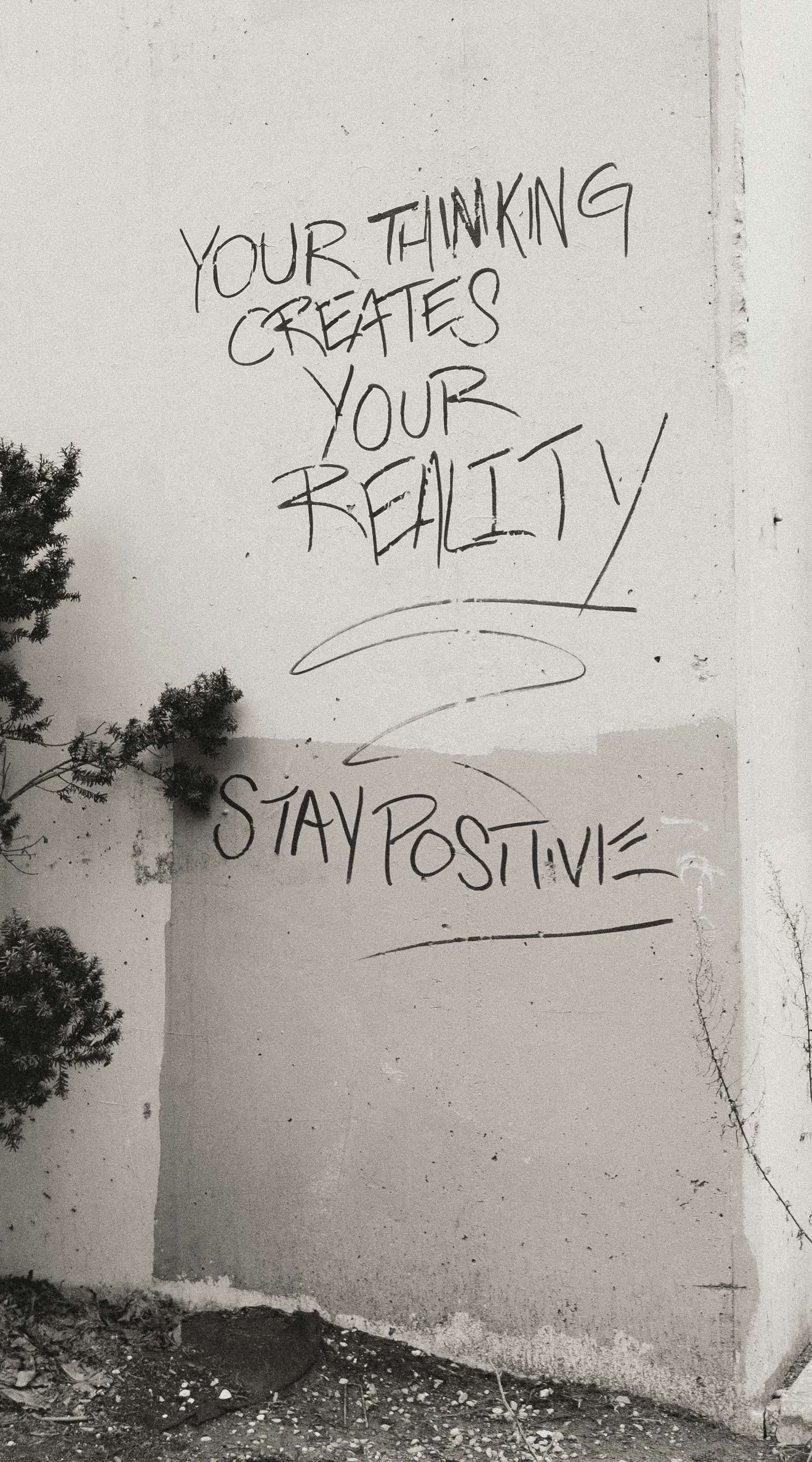
5. Cultivate a Positive Mindset
Our thoughts have a powerful impact on our emotions and overall well-being. Cultivating a positive mindset is a form of self-care that can transform your daily experience. One effective way to do this is by setting hourly reminders to recite positive affirmations. These might include statements like “I am capable and strong,” “I choose to focus on what I can control,” or “I am worthy of love and respect.”
At first, these affirmations might feel forced or inauthentic. However, you must ensure that the affirmations you choose resonate with you and your beliefs and you feel them in your core (I choose affirmations that bring emotions or goosebumps). That’s normal – you’re essentially rewiring deeply ingrained thought patterns.
You’ll likely notice a shift in your default thinking with consistent practice. This doesn’t mean ignoring real problems or forcing toxic positivity. Instead, you’re cultivating resilience and a growth mindset to approach challenges confidently and optimistically.
In addition to affirmations, try to consciously notice and appreciate positive moments throughout your day, no matter how small. This practice of gratitude can significantly improve your mood and overall life satisfaction.
6. Nurture Relationships
Humans are inherently social creatures, and nurturing meaningful relationships is crucial to self-care. Connect with friends, family, or community members who uplift and support you. This might involve scheduling regular catch-ups, joining a club or group related to your interests, or simply reaching out to a loved one when you need to talk.
Strong social bonds have been linked to numerous health benefits, including increased longevity, better immune function, and improved mental health. Meaningful relationships provide emotional support, reduce feelings of isolation, and can even help buffer against stress. They also offer opportunities for joy, laughter, and shared experiences that enrich our lives. Remember, quality is more important than quantity when it comes to relationships. Focus on nurturing mutually supportive connections that align with your values and interests.

7. Laugh often
Laughter is a powerful medicine for the soul; incorporating more of it into your life is enjoyable self-care. Seek humour in your daily life — watch a comedy show, spend time with friends who make you laugh, or simply try to find humour in everyday situations.
It might sound silly, but I worked with another chef in a residence in the South of France a few years ago. We instantly connected, and we couldn’t stop laughing. Small things would trigger us, making us laugh even harder. One day, we were at the store, and we were laughing so hard that we both had to sit on the floor because we couldn’t breathe. A few days later, the same happened again. There was also a song that I loved, and we played it when we were busy and needed some cheering up. So now, every time I feel a little down, I either remember those moments or listen to that song and I am on the roll. I can’t stop laughing. I usually text her the song, which has become a deeper anchor. The reply message will usually have me rolling on the floor laughing. I encourage you to do the same. Use those moments to cheer you up any time you need it.
“Laughter is a powerful medicine for the soul; incorporating more of it into your life is enjoyable self-care.”
Laughter has numerous physical and psychological benefits. It triggers the release of endorphins, your body’s natural feel-good chemicals, promoting an overall sense of well-being. Laughter also decreases stress hormones, improves immunity, and even provides a mild workout for your abs and diaphragm. On a psychological level, laughter can help shift perspective on challenging situations, making them feel more manageable. It can also strengthen social bonds and make you more resilient.
Don’t be afraid to be silly or to laugh at yourself. A lighthearted approach to life can be incredibly freeing and stress-relieving.
8. Enjoy your Favourite Foods
Food is more than just fuel for our bodies — it can provide comfort, joy, and connection. This rings true for all emotional eaters, I am sure. Occasionally, treating yourself to a meal you love can be a form of self-care that nourishes your body and soul. This doesn’t mean abandoning healthy eating habits but finding a balance that includes mindful indulgence. Treating yourself to a couple of chocolate squares is okay, but eating two tablets is less so.
When you do treat yourself, practise mindful eating. Pay attention to the flavours, textures, and aromas of your food. Eat slowly and without distractions, truly savouring each bite. This practice can turn a simple meal into meditation, helping you be present in the moment and fully enjoy the experience. Think of it as multiplying the pleasure of eating. Because you are more aware, you are more likely to relax and enjoy every bite.
Moreover, allowing yourself to enjoy food without guilt can improve your overall relationship with eating, leading to more balanced and sustainable dietary habits in the long run. Remember, it’s okay to have a cheat meal.
9. Practise Mindfulness
Mindfulness is being fully present and engaged in the current moment without judgment. Incorporating short meditation or breathing exercises into your routine can be a powerful form of self-care. Even five minutes of mindfulness practice can help reduce stress, increase focus, and improve overall well-being.
Try this simple breathing exercise:
Sit comfortably, close your eyes, and focus on your breath. Notice the sensation of air moving in and out of your body, and feel your chest expand as you breathe in.
When your mind wanders (which it inevitably will), gently bring your attention back to your breath without judgment.
You can also try body scan meditations, focusing on different parts of your body, or loving-kindness meditations that cultivate compassion for yourself and others. Numerous apps and online resources are available if you’d like guided meditations. Remember, the goal isn’t to clear your mind completely but to practise returning to the present moment repeatedly.
10. Pursue Creativity
Engaging in creative activities is a form of self-care that nourishes the soul and can provide a valuable outlet for self-expression. Whether it’s painting, writing, gardening, cooking, or any other creative pursuit, these activities allow you to enter a state of flow where you’re fully absorbed in the present moment.
Creative activities can be deeply fulfilling and therapeutic. They allow you to express emotions, process experiences, and gain new perspectives. Moreover, creating something can enhance self-esteem and provide a sense of accomplishment. Don’t worry about being “good” or excelling in your chosen creative pursuit.
The benefits come from the process of creating, not the end product.
Allow yourself to experiment, make mistakes, and, most importantly, have fun. You might be surprised by what you discover about yourself through creative expression.

11. Set Boundaries
Many struggle with setting and maintaining healthy boundaries, an essential aspect of self-care. Boundaries are the limits we set with others to protect our time, energy, and emotional well-being. They help us define where we end, and others begin, allowing us to maintain our individuality and prevent feelings of resentment or burnout.
Start by identifying areas in your life where you feel drained or resentful. These are often signs that boundaries are needed. Then, communicate your limits to others. This might involve saying no to additional work tasks when you’re already at capacity, asking for alone time when needed, or expressing when someone’s behaviour is unacceptable to you.
Remember, setting boundaries isn’t about controlling others but taking responsibility for your well-being. It’s normal to feel uncomfortable initially, especially if you’re not used to asserting your needs. With practice, however, you’ll likely find that healthy boundaries lead to more authentic relationships and greater personal empowerment.
“Boundaries are the limits we set with others to protect our time, energy, and emotional well-being.”
12. Spend Time in Nature
Connecting with nature is a powerful self-care tool often overlooked in our increasingly urban and digital world. Regular exposure to green spaces has been shown to lower stress levels, improve mood and cognitive function, and even strengthen the immune system.
You don’t need to embark on a wilderness expedition to reap the benefits of nature. Simple activities like walking in a local park, tending to houseplants, or sitting outside for a few minutes daily can make a significant difference. However, I recommend forest bathing, where all you see are trees and green.
Try to engage all your senses — notice the colours and shapes around you, listen to birds or rustling leaves, feel the texture of bark or grass, and smell the scent of flowers or earth. This mindful engagement with nature can help ground you in the moment and provide a refreshing break.
If possible, schedule longer nature excursions on weekends or vacations. Whether it’s a hike, a beach day, or a picnic in the park, these experiences can provide a valuable reset for both mind and body. Ideally, be barefoot on the grass or the sand.

The Ripple Effect of Self-Care
Remember, self-care isn’t selfish – it’s essential. Taking care of yourself makes you better equipped to care for others and tackle life’s challenges. It’s about creating a sustainable lifestyle that allows you to thrive, not just survive.
Start small. Choose one or two practices from this list and incorporate them into your routine. Pay attention to how you feel. Over time, you may notice increased energy, improved mood, and greater overall well-being.
Self-care is a journey, not a destination. Be patient and kind to yourself as you explore what works best for you. And remember, it’s okay to ask for help along the way. Whether you reach out to a friend, seek professional support, or simply permit yourself to rest, you take important steps toward a healthier, happier you.
Your well-being matters. You matter. Embrace the power of self-care and watch as it transforms your life and the lives of those around you. Remember, happiness is contagious, and so is negativity. So, if you start feeling like yourself again and happy, avoid those around you spreading negativity and those trying to break your wings.
Final Thoughts
Self-care is a multifaceted practice encompassing all aspects of life: physical, psychological, spiritual, and social. By prioritising self-care, you can improve your overall health, increase your resilience, and cultivate a more fulfilling life. Remember, self-care is not a luxury; it’s a necessity for living a balanced and meaningful life.
As you embark on your self-care journey, remember it’s a personal and ongoing process. What works for someone else might not work for you, and that’s perfectly okay. The key is to listen to your body and mind and to make choices that nourish and uplift you. Whether through exercise, meditation, creative pursuits, or simply taking a moment to breathe, every act of self-care is a step towards a more vibrant, resilient you.
If you want further support in adopting healthy and manageable self-care practices, consider contacting a healthcare professional or a wellness coach. They can provide tailored guidance and resources to help you create a self-care plan that suits your unique needs and lifestyle.
Self-care is about embracing your worth and acknowledging that you deserve to live a life filled with joy, purpose, and vitality — without regret or shame. When you prioritise your mental health and well-being, you improve your life and become a more compassionate, resilient, and vibrant presence around others.