
How Ultra-Processed Diets Disrupt Hunger Cues and Drive Overeating (And How to Fix It)
Ultra-processed foods (UPFs) are now a modern diet staple, but their impact on our natural hunger signals and overall health is profound. This in-depth article explores how UPFs disturb your body’s ability to regulate appetite, why they lead to overeating, snacking, and energy crashes, and how you can restore balance.
What Are Ultra-Processed Foods?
Ultra-processed foods are industrial products made primarily from refined ingredients, additives, and preservatives, rather than whole foods (most nutrients and fibre are stripped away, and typically replaced by petroleum-derived vitamins and minerals). Examples include packaged snacks, sugary cereals, ready meals, fizzy drinks, processed meats, and many convenience foods. They are engineered to be hyper-palatable (and addictive), often combining high levels of sugar, salt, and unhealthy fats to make them irresistible.
How UPFs Disturb Natural Hunger Cues
1. Hormonal Disruption: Insulin, Leptin, and Ghrelin
Insulin Resistance: UPFs, especially those high in refined carbohydrates and sugars, cause rapid spikes in blood glucose. Over time, this can lead to insulin resistance, where the body’s cells become less responsive to insulin. This disrupts the normal suppression of appetite after eating, leaving you feeling hungry even after consuming plenty of calories.
Leptin Resistance: Leptin is the hormone that signals fullness. Diets high in UPFs promote inflammation and fat storage, which can blunt leptin’s effect. As a result, the brain doesn’t receive the message that you’re full, leading to overeating.
Ghrelin Surges: Ghrelin, the “hunger hormone,” increases before meals and drops after eating. UPFs, being low in fibre and protein, do not effectively suppress ghrelin, causing hunger to return quickly. Plus, you may be more inclined to eat faster, as those food products are often softer and require less chewing.
2. Reward Pathway Hijacking
UPFs are designed to stimulate the brain’s reward centres. The combination of sugar, fat, and salt triggers dopamine release, making these foods highly addictive. This can override your natural satiety signals, encouraging you to eat more than your body needs.
3. Energy Density and Rapid Consumption
Ultra-processed foods are typically energy-dense but low in volume and nutrients. Their soft textures and lack of fibre mean they can be eaten quickly, often before your stomach has time to signal fullness to your brain. This leads to unintentional overeating.
4. The Protein Leverage Hypothesis
Humans have a strong biological drive to consume enough protein. UPFs are often low in protein, so you may eat more total calories to meet your protein needs. This “protein hunger” is a key factor behind the overconsumption of processed foods.
5. Gut Microbiome Disruption
UPFs lack prebiotic fibre and often contain emulsifiers and artificial additives that can harm the gut microbiome. A disrupted gut can impair the production of hormones involved in appetite regulation, further confusing your hunger and fullness cues.
The Role of Sugar, Salt, and Trans Fats
Excessive Sugar: Causes rapid blood sugar spikes followed by crashes, leading to fatigue and renewed hunger. Over time, high sugar intake dulls your taste receptors, making you crave even sweeter foods and dislike foods with lesser taste like vegetables.
High Salt Content: Enhances flavour and masks blandness, encouraging you to eat more. Excess salt can also disrupt thirst signals, sometimes leading to mistaking thirst for hunger.
Trans Fats: Common in many UPFs, trans fats promote inflammation and contribute to leptin resistance, making appetite regulation even more difficult.
The Energy Rollercoaster: Why UPFs Cause Crashes
The refined carbohydrates in UPFs are absorbed quickly, causing a surge in blood sugar and a corresponding spike in insulin. This is often followed by a rapid drop in blood sugar levels, leaving you tired and irritable and craving more quick energy, usually in the form of another processed snack. This cycle can repeat several times daily, leading to persistent energy dips and poor concentration.
In the long term, this rollercoaster of high-highs and low-lows leads to insulin resistance, opening the door to type II diabetes and metabolic disorders.
Glucose, found abundantly in many ultra-processed foods, is absorbed directly into the bloodstream and causes rapid spikes in blood sugar levels. This can lead to sharp rises and falls in energy, often triggering cravings for more sugar or snacks. Excessive fructose-commonly added to UPFs as high-fructose corn syrup or similar sweeteners-does not raise blood sugar as quickly as glucose, but it is processed by the liver, where high intakes can contribute to increased triglycerides, fatty liver, and metabolic disturbances. Moreover, fructose stimulates insulin and leptin less than glucose, potentially reducing feelings of fullness and encouraging overeating.
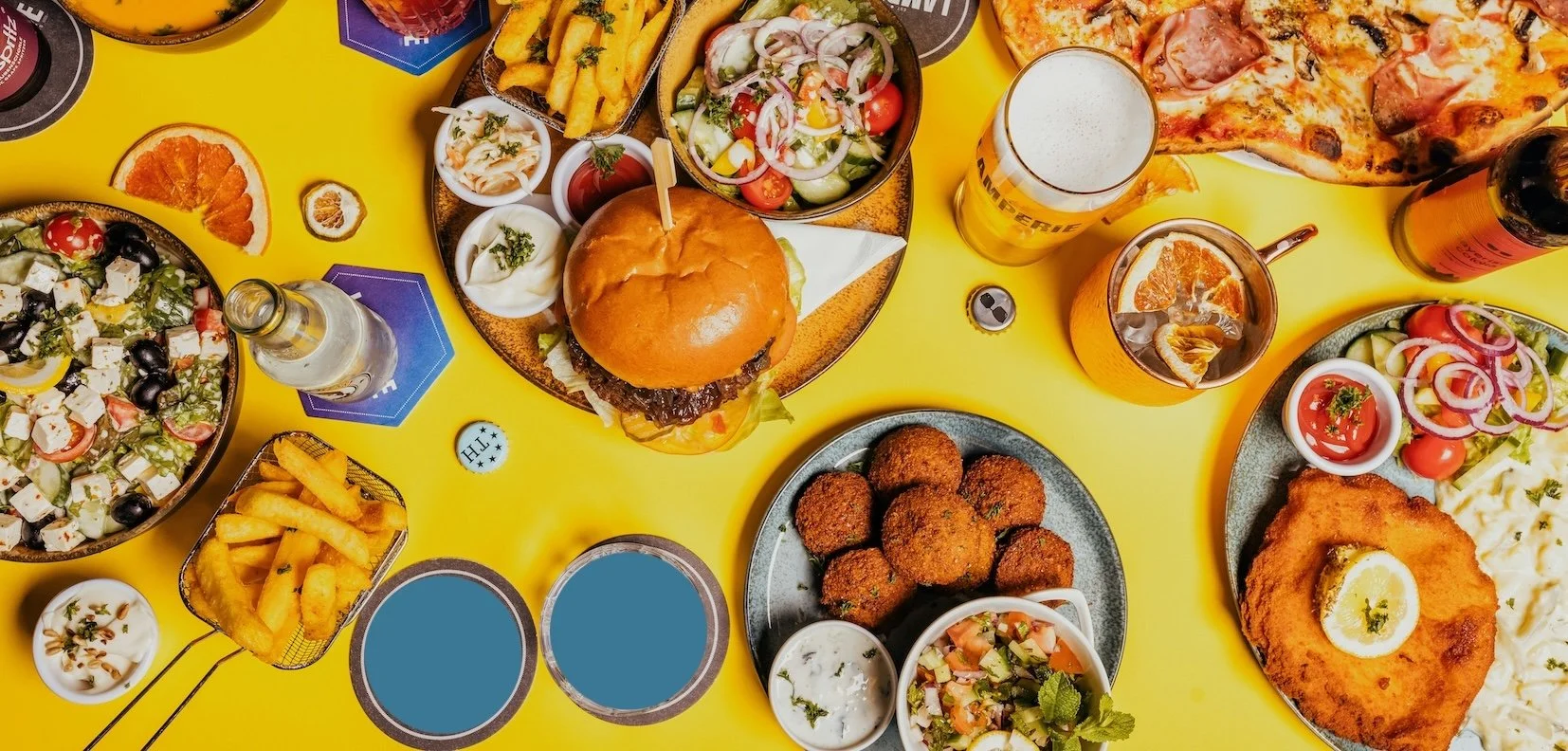
Why Do We Snack More on Ultra-Processed Foods?
UPFs are engineered for convenience and instant gratification. Their lack of fibre, protein, and healthy fats means they don’t satisfy you for long. This leads to frequent snacking and grazing, often without genuine hunger. Studies show that people who consume more UPFs tend to eat more overall calories, gain weight more easily, and have a higher risk of metabolic diseases.
Actionable Tips to Re-Establish Natural Hunger Cues
Prioritise Protein and Fibre
Aim for 20–30g of protein per meal (e.g., eggs, beans, fish, pumpkin seeds, hemp seeds, etc. ).
Include plenty of vegetables, whole grains, and legumes for fibre, which slows digestion and supports gut health.
2. Replace UPFs with Whole Foods
Swap crisps for nuts or seeds.
Choose whole fruit over fruit-flavoured snacks and juices
Prepare meals at home using fresh ingredients.
3. Slow Down When Eating
Take time to chew thoroughly and savour each bite (mindful eating).
Put your knife and fork down between mouthfuls.
Aim for 20–30 minutes per meal to allow fullness signals to register.
4. Hydrate Properly
Drink water regularly throughout the day.
If you feel hungry, try a glass of water first. Sometimes thirst is mistaken for hunger.
Avoid sugary drinks and limit fruit juices.
5. Reset Your Palate
Gradually reduce your intake of added sugars and salt.
Use herbs and spices to enhance the natural flavours of your food.
6. Practice Mindful Eating
Eat without distractions such as TV or your phone.
Pay attention to how you feel before, during, and after eating.
Notice the difference between physical hunger and emotional eating.
7. Support Your Gut Health
Include fermented foods like kefir, sauerkraut, or kimchi.
Eat a variety of plant-based foods to nourish your gut bacteria.
Maximise prebiotic (soluble) fibre intake, up to 29 grams daily.
8. Plan Meals and Snacks
Prepare healthy meals and snacks in advance to avoid reaching for UPFs when hungry or short on time.
Keep healthy options visible and convenient.
When to Seek Professional Support
If you find it difficult to break free from ultra-processed foods or struggle with persistent cravings and energy crashes, you’re not alone. A naturopathic consultation or a structured programme like The 30-Day Reset can provide the support, accountability, and evidence-based strategies you need to restore natural hunger cues and improve your relationship with food.
Final Thoughts
Ultra-processed foods are more than empty calories; they actively disrupt your body’s natural hunger and satiety systems, making it easy to overeat and hard to feel satisfied. By making small, sustainable changes towards a whole-foods-based diet, slowing down, and tuning in to your body’s signals, you can regain control over your appetite, stabilise your energy, and support long-term health.
Ready to take the next step? Book a consultation or join The 30-Day Reset to reclaim your natural hunger and rediscover the joy of eating well.