
The Long-Term Health Risks of Ultra-Processed Foods: How to Future-Proof Your Diet
Ultra-processed foods (UPFs) have become a dominant feature of the modern diet, making up more than half of the average British adult’s daily calorie intake. In the first two parts of this series, we explored how UPFs disrupt your natural hunger cues, drive overeating, and lead to energy crashes. But what happens when these eating habits persist for years? The answer is both sobering and empowering: UPFs are strongly linked to a range of chronic health problems, but you can take steps today to protect your long-term well-being.
What Are Ultra-Processed Foods? A Quick Recap
UPFs are industrially manufactured products made from highly refined ingredients, chemical additives and preservatives. They include packaged snacks, sugary drinks, ready meals, processed meats, and many breakfast cereals. While convenient and tasty, these foods are often high in sugar, salt, and unhealthy fats but low in fibre, protein, and essential nutrients.
The Evidence: UPFs and Chronic Disease
Obesity and Weight Gain
Multiple large-scale studies have shown a direct link between high UPF consumption and increased risk of obesity. UPFs are calorie-dense but nutrient-poor, making it easy to overeat without feeling satisfied. Their impact on hunger hormones, as discussed in Part 2, means you’re more likely to snack and consume excess calories.
Type 2 Diabetes and Metabolic Syndrome
A diet high in ultra-processed foods is associated with a significantly higher risk of developing type 2 diabetes and metabolic syndrome. UPFs contribute to insulin resistance, chronic inflammation, and abdominal fat accumulation, all significant risk factors for diabetes and other metabolic disorders. A 2019 study in JAMA Internal Medicine found that each 10% increase in UPF intake was linked to a 15% increase in the risk of developing type 2 diabetes.
Heart Disease and Hypertension
UPFS are typically loaded with salt, trans fats, and added sugars, all known to raise blood pressure and deregulate blood lipid balance and cholesterol. Research published in the British Medical Journal found that people who consume the most UPFs have a 58% higher risk of cardiovascular disease compared to those who eat the least. The inflammatory effects of these foods further damage blood vessels and heart tissue over time.
Cancer Risk
Emerging evidence links high UPF intake with an increased risk of certain cancers, particularly breast and colorectal cancer. This may be due to a combination of poor nutrient density, chemical additives, and the pro-inflammatory nature of these foods. A landmark French study (NutriNet-Santé) found that a 10% increase in UPF consumption was associated with a 12% higher risk of overall cancer.
Mental Health and Cognitive Function
The impact of UPFs isn’t limited to the body. Diets high in processed foods have been linked to higher rates of depression, anxiety, and cognitive decline. Excessive sugar and unhealthy fats can disrupt brain chemistry and energy balance (also linked to crashes and emotional dysregulation), while lacking key nutrients can impair mood regulation and memory. Some studies suggest that children and teenagers consuming more UPFs are at greater risk of attention problems and poor academic performance.
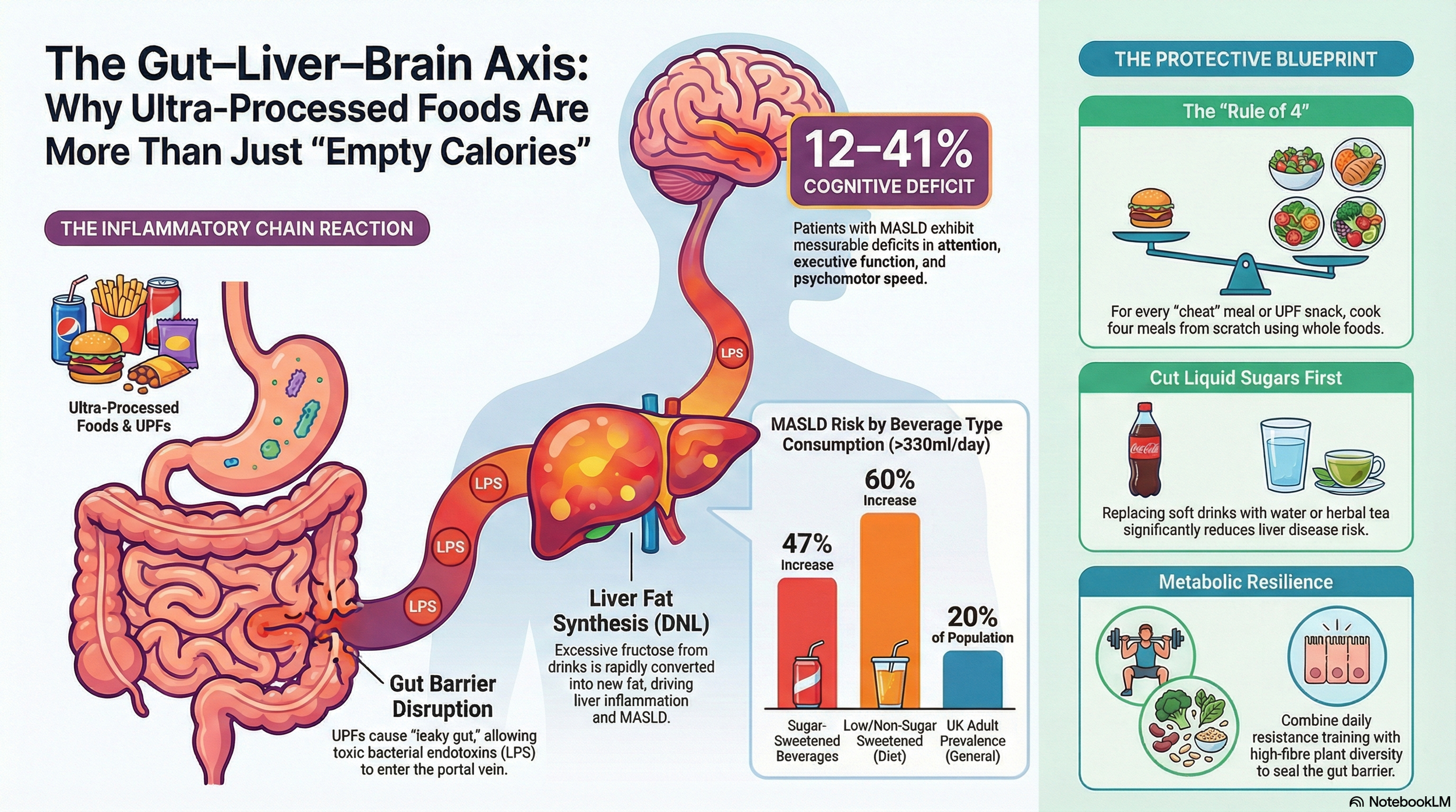
Impact of UPFs on metabolic dysfunction and cognitive decline
How Do UPFs Cause These Problems?
Nutrient Deficiency
UPFs are typically stripped of vitamins, minerals, and fibre during processing. Ultra-processed diets can lead to deficiencies that weaken your immune system, slow recovery, and increase disease risk.
Chronic Inflammation
Chemical additives, artificial sweeteners, and trans fats in UPFs promote inflammation, which is now recognised as a key driver of heart disease, diabetes, and cancer.
Gut Microbiome Damage
Lack of fibre and the presence of emulsifiers and preservatives in UPFs harm beneficial gut bacteria. They also disrupt the liver and bile system, further affecting microbial balance. A disrupted microbiome is linked to obesity, autoimmune diseases, and even mental health issues.
Blood Sugar and Insulin Spikes
Refined carbohydrates and added sugars in UPFs cause rapid spikes and crashes in blood sugar, straining the pancreas and paving the way for insulin resistance and type 2 diabetes, and sleep disorders.
Excessive Calorie Intake
Because UPFs are engineered for hyper-palatability, they override natural satiety signals, leading to habitual overeating and weight gain.
Beyond the Plate: Quality of Life and Longevity
The consequences of a UPF-heavy diet extend beyond medical diagnoses. Chronic fatigue, poor sleep, low mood, and reduced productivity are common complaints among those who rely on processed foods. Over time, these issues erode quality of life and can even shorten lifespan. Research in Europe and the UK consistently shows that higher UPF intake is associated with increased risk of premature death from all causes.
How to Future-Proof Your Diet: Practical Steps
The good news? You don’t have to overhaul your diet overnight. Small, consistent changes can dramatically reduce your risk and restore your body’s natural hunger regulation.
1. Prioritise Whole Foods
Cook from scratch as often as possible, basing your meals around vegetables, fruits, whole grains, legumes, nuts, seeds, eggs, fish, and unprocessed meats. These foods provide the fibre, protein, healthy fats, and micronutrients your body needs to function optimally.
2. Cook More at Home
Preparing your meals puts you in control of ingredients and portion sizes. Batch cooking and meal prepping can help you avoid the temptation of UPFs when you’re busy.
3. Read Labels Carefully
If you do buy packaged foods, check the ingredients list. The fewer, the better. Avoid products with added sugars, hydrogenated oils, emulsifiers, and chemical additives.
4. Swap Out Snacks
Replace crisps, biscuits, and sweets with nuts (and nut butters), seeds, fresh fruit, or plain yoghurt. These options are more filling and support stable energy.
5. Mindful Eating
Slow down and pay attention to your food. Eating without distractions helps you tune in to hunger and fullness cues, making it easier to avoid overeating. It is also great for your mental health, allowing you to take a break from everything else and balance your stress response.
6. Support Your Gut
Include fermented foods like kefir, sauerkraut, or live yoghurt to promote a healthy gut microbiome.
7. Plan Ahead
Keep healthy options on hand and plan your meals and snacks, especially during busy weeks. This reduces reliance on convenience foods.
Final Thoughts
Changing long-standing eating habits can be challenging, especially with the abundance of UPFs everywhere we look. These products are more than convenience; they are a significant driver of chronic disease, poor mental health, and reduced quality of life. But the power to change is in your hands. By understanding the risks and taking practical steps to minimise UPFs and embrace whole foods, you can protect your health for years.
Ready to future-proof your diet and reclaim your wellbeing? Book a consultation or sign up for The 30-Day Reset today. Your body and mind will thank you.