
Functional and Medicinal Mushrooms: A Science-Based Guide to Benefits, Dosage, and Safety (Part 2)
— Cordyceps (Ophiocordyceps sinensis)
Cordyceps is a remarkable genus of parasitic fungi best known for its unique life cycle, in which it infects and grows on insects or arthropods, eventually consuming and sprouting from their bodies. The most famous species, Ophiocordyceps sinensis (often simply referred to as Cordyceps or “caterpillar fungus”), is native to the high-altitude grasslands of the Himalayas, particularly in Tibet, Nepal, Bhutan, and parts of China and India. Another well-studied relative is Cordyceps militaris, which is widely cultivated and used in supplements due to its sustainability and similar bioactive properties.
Cordyceps has been prized for centuries in Traditional Chinese Medicine and Tibetan medicine as a tonic for vitality, stamina, and longevity. It is sometimes referred to as “Himalayan Viagra” due to its traditional reputation for enhancing energy and libido. Wild Ophiocordyceps sinensis is rare and extremely valuable, sometimes fetching prices higher than those of gold, while cultivated Cordyceps militaris is widely available and more affordable.
Botanical and Biological Features:
Cordyceps fungi are slender, club-shaped mushrooms that emerge from their insect hosts. O. sinensis is found at altitudes of 3,000–5,000 metres, while C. militaris can be cultivated on plant-based substrates. Both species contain a rich array of bioactive compounds, making them highly sought after for medicinal use.
Bioactive Compounds
Cordycepin (3′-deoxyadenosine): A nucleoside analogue with documented anti-inflammatory, anti-tumour, antiviral, and neuroprotective effects. Cordycepin is especially abundant in C. militaris and is a primary focus of modern research.
Polysaccharides: These complex sugars have immunomodulatory, antioxidant, and anti-tumour properties, and are thought to be responsible for many of the health benefits attributed to Cordyceps.
Adenosine and analogues: Support energy metabolism and cardiovascular health.
Sterols, peptides, GABA, ergothioneine, and other antioxidants: Contribute to anti-fatigue, neuroprotective, and adaptogenic effects.
Traditional and Modern Uses:
In conventional medicine, Cordyceps is used to:
Improve energy, stamina, and endurance
Enhance libido and sexual function
Support lung and kidney health
Improve recovery from illness and frailty
Modern research has expanded these uses, investigating Cordyceps for:
Immune modulation: Enhancing both innate and adaptive immune responses.
Antioxidant and anti-inflammatory effects: Protecting cells and tissues from damage.
Anti-fatigue and athletic performance: Increasing ATP production and oxygen utilisation, reducing fatigue, and improving exercise capacity.
Metabolic health: Supporting blood sugar regulation and lipid metabolism.
Neuroprotection: Reducing neuroinflammation and supporting brain health in preclinical studies.
Potential anti-cancer and antiviral effects: Cordycepin and polysaccharides have shown promising results in laboratory and animal models.
Energy Metabolism:
Cordycepin mimics adenosine, increasing ATP production by 35–50% in skeletal muscle.
Clinical and Scientific Evidence:
Immune and Anti-Fatigue Effects: Human and animal studies suggest Cordyceps can stimulate cytokine production, enhance phagocytosis, and promote nitric oxide production, all of which support immune function and resilience.
Energy and Performance: Cordyceps supplementation has been shown in some clinical trials to improve exercise tolerance, VO₂ max, and reduce fatigue, especially in older adults and athletes.
Metabolic and Cardiovascular Health: Preclinical studies indicate benefits for blood sugar control and lipid profiles, though robust clinical trials are still limited.
Neuroprotection: In vitro and animal studies demonstrate antioxidant, anti-inflammatory, and anti-apoptotic effects relevant to the management of neurodegenerative diseases.
Cancer and Antiviral Research: Cordycepin has been investigated for its potential to induce apoptosis in cancer cells and inhibit viral replication, including recent interest in its application to COVID-19.
Performance Data:
Older adults taking 3 g/day for 12 weeks increased VO₂ max by 11.5%
Diabetic rats showed 40% higher GLUT4 translocation after 8 weeks
Usage:
1.5–3 g/day fermented mycelium for fatigue or metabolic support
Safety and Contraindications
Cordyceps is generally well tolerated, but:
Those with autoimmune diseases or on immunosuppressive therapy should consult a doctor, as Cordyceps may stimulate immune activity.
People with bleeding disorders or taking anticoagulant medication should use caution, as Cordyceps may affect platelet function.
Pregnant or breastfeeding women and children should avoid Cordyceps due to insufficient safety data.
Rarely, mild digestive upset or allergic reactions can occur.
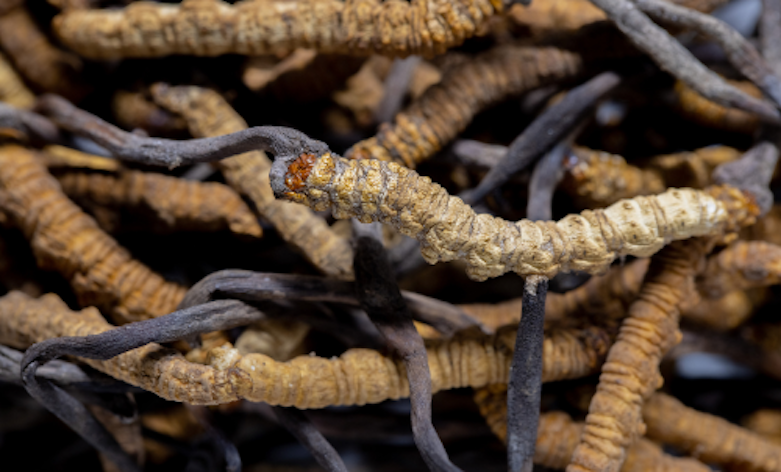
Cordyceps growing from the brain of caterpillar
— Chaga (Inonotus obliquus)
Chaga is a unique medicinal fungus that grows predominantly on birch trees in cold, temperate forests across the Northern Hemisphere, including Siberia, the Baltic region, Scandinavia, Canada, and parts of the northern United States. Unlike typical mushrooms, Chaga forms a hard, black, charcoal-like mass called a sclerotium on the outside of tree trunks. This sclerotium is rich in bioactive compounds absorbed from the birch host and the fungus itself, giving Chaga its distinctive medicinal profile.
Chaga has been used for centuries in folk medicine by indigenous peoples of Russia, China, Korea, and Northern Europe. Traditionally, it is brewed as a tea or decoction to support overall health, support immunity, and increase resilience to harsh climates. In modern times, Chaga is available as teas, tinctures, extracts, capsules, and powders, and is widely marketed as a “superfood” or functional food supplement.
Botanical Features
Chaga is not a typical mushroom with a stem and cap, but rather a dense, woody, blackened mass (sclerotium) on the outside of birch trees. The interior is orange-brown and corky. The fungus parasitises the tree for years, slowly drawing nutrients and producing a wide array of secondary metabolites.
Bioactive Compounds:
Polysaccharides (notably β-glucans and xylogalactoglucans): These are considered the primary bioactive components, responsible for immune-modulating, antioxidant, anti-tumour, and anti-inflammatory effects.
Triterpenoids (especially betulin and betulinic acid): Derived from the birch host, these compounds have demonstrated anti-inflammatory, antiviral, and anticancer properties.
Polyphenols (including inonoblins, phelligridins, vanillic acid, gallic acid, syringic acid): Potent antioxidants that help protect cells from oxidative stress.
Melanin: Gives Chaga its dark outer appearance and provides potent antioxidant and genoprotective effects.
Other nutrients: B-vitamins, potassium, zinc, manganese, and other minerals, as well as sterols, fatty acids, and small amounts of alkaloids.
Over 250 secondary metabolites have been identified in Chaga, making it one of the most chemically diverse medicinal fungi known.
Traditional and Modern Uses:
Historically, Chaga has been used as a folk remedy to support digestive health, enhance immune function, and promote overall vitality. Modern research has expanded interest in its potential for:
Immune modulation: Enhancing both innate and adaptive immune responses.
Antioxidant protection: Neutralising free radicals and reducing oxidative damage.
Anti-inflammatory and anti-tumour effects: Laboratory and animal studies suggest Chaga extracts may inhibit tumour growth and reduce inflammation.
Blood sugar and lipid regulation: Some studies suggest that Chaga polysaccharides may help lower blood glucose and cholesterol levels.
Antiviral and antimicrobial activity: In vitro studies have demonstrated effects against certain viruses and bacteria.
Antioxidant Profile:
ORAC value of 146,700 μmol TE/100g, higher than acai or pomegranate. Betulin is converted to betulinic acid, which induces cancer cell apoptosis.
Clinical and Scientific Evidence:
Antioxidant and Anti-inflammatory Effects: Chaga’s high content of polyphenols, melanin, and superoxide dismutase gives it potent antioxidant properties, helping to protect DNA and cells from oxidative stress.
Immune Support: Polysaccharides from Chaga stimulate immune cell activity and cytokine production, supporting the body’s defence against infection and possibly tumours.
Anti-tumour Activity: Preclinical studies have shown that Chaga extracts and betulinic acid can inhibit the growth of various cancer cells in vitro and animal models, although robust human trials are lacking.
Metabolic Health: Chaga polysaccharides may help lower blood sugar levels and improve lipid profiles, suggesting potential benefits for individuals with type 2 diabetes and metabolic syndrome.
Safety and Toxicity:
Chaga is generally well tolerated, but its high oxalate content may pose a risk of kidney stones with excessive or long-term use. Quality and sourcing are essential due to potential contamination and sustainability concerns.
Dosing:
Human clinical data are limited, but typical supplement doses range from 500 mg to 2 g of Chaga extract per day. Traditional use as a tea involves simmering a few grams of dried Chaga chunks in water for several hours.
Safety and Contraindications:
Kidney Health: Due to its high oxalate content, individuals with a history of kidney stones or kidney disease should avoid Chaga or use it only under the guidance of a medical professional.
Autoimmune Conditions: Individuals with autoimmune diseases or on immunosuppressive therapy should consult a healthcare provider, as Chaga may stimulate immune activity.
Pregnancy and Breastfeeding: Insufficient safety data; best avoided.
Drug Interactions: Chaga may interact with anticoagulants, antidiabetic drugs, and immunomodulatory medications.
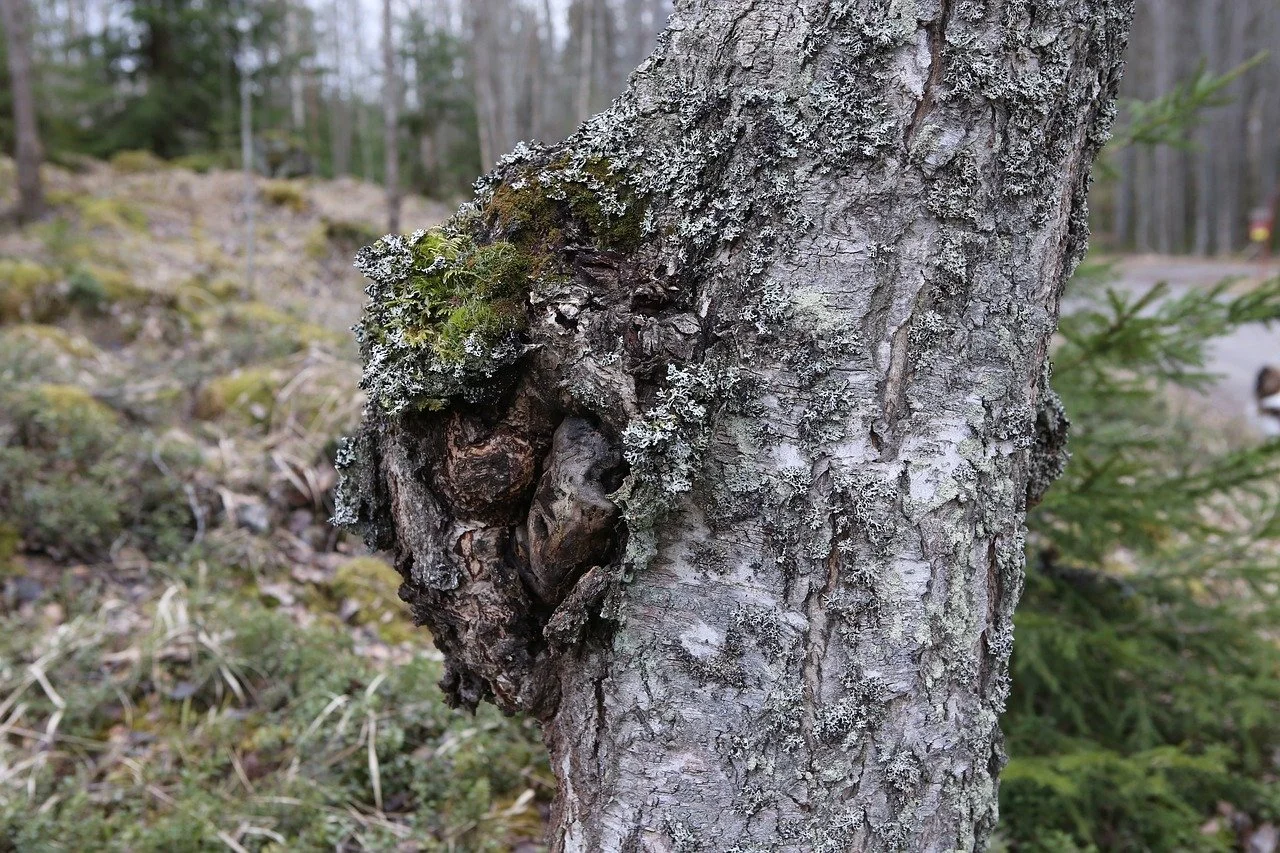
Birch tree infected with Chaga mushroom

Picture showing the yellow-orange-y inside Chaga mushroom
— Shiitake (Lentinula edodes)
Often called the “black forest mushroom” or “oakwood mushroom,” is a prized edible and medicinal fungus native to East Asia, especially China, Japan, and Korea. It is now cultivated and enjoyed worldwide, making it the second most widely cultivated mushroom after the common white button mushroom. Shiitake mushrooms naturally grow as saprotrophs on dead hardwood trees, particularly oaks and shii trees (Castanopsis cuspidata), which is how they got their Japanese name: “shii” (the tree) and “take” (mushroom).
Botanical Features:
Shiitake mushrooms have a convex, umbrella-like cap that ranges from cream to dark brown, often with white tufts at the edges. The caps measure 5–15 cm (2–6 inches) in diameter and are supported by a fibrous, cream-coloured stem that is typically too tough to eat but can be used in broths. The gills are white and not attached to the stem, and the mushroom produces a white spore print. Shiitake’s rich, savoury flavour and meaty texture make it a favourite in fresh and dried forms for culinary use worldwide.
Traditional and Modern Uses:
Shiitake has been valued in Asian traditional medicine for centuries, especially as a tonic for regulating Qi, harmonising Yin and Yang, and supporting the spleen, stomach, and lungs. During the Ming Dynasty, it was considered the “king of mushrooms” for its medicinal and nutritional value. Modern research has confirmed several health-promoting properties of Shiitake, making it a popular functional food and supplement.
Bioactive Compounds
Polysaccharides (notably lentinan): These β-glucans have demonstrated immune-modulating and anti-tumour properties.
Eritadenine: A unique compound that helps lower cholesterol by influencing liver phospholipid metabolism.
Vitamins and minerals: High in B vitamins, vitamin D (ergosterol), iron, and protein, making it valuable for vegetarians and vegans.
Other antioxidants and enzymes: Contribute to its anti-inflammatory and antimicrobial effects.
Culinary and Safety Notes:
Shiitake is a culinary staple, enjoyed in stir-fries, soups, dumplings, and broths. Dried Shiitake has a more concentrated flavour than fresh. The stems are usually removed before cooking due to their toughness, but can be used for stock. Shiitake is generally safe, but rare cases of “shiitake dermatitis” (a rash from raw or undercooked mushrooms) have been reported.
Clinical and Scientific Evidence:
Immune Function: Regular Shiitake consumption has been shown to increase the activity of γδ-T cells and NK-T cells, suggesting enhanced immune defence. It also raises secretory IgA in saliva, supporting gut immunity, and reduces C-reactive protein (CRP), indicating lower inflammation.
Cholesterol and Metabolic Health: Eritadenine in Shiitake helps lower cholesterol, and studies support its role in reducing blood pressure and improving lipid profiles.
Anticancer and Antimicrobial Effects: The polysaccharide lentinan is used as an adjunct in cancer therapy in some countries, and Shiitake extracts show antimicrobial properties in laboratory studies.
Nutritional Support: Shiitake mushrooms are recommended for individuals experiencing exhaustion and chronic fatigue, as well as for vegetarians and vegans due to their rich B vitamin and ergosterol content.
Dosage in Studies:
Typical dietary intake is 5–10 g of dried or 50–100 g of fresh material daily. For immune support, extracts standardised to lentinan are used, often under clinical supervision.
Safety and Contraindications:
Shiitake is generally safe when cooked and consumed in normal culinary amounts. Rarely, raw or undercooked Shiitake can cause a temporary skin rash (“shiitake dermatitis”). Those with mushroom allergies should avoid Shiitake.
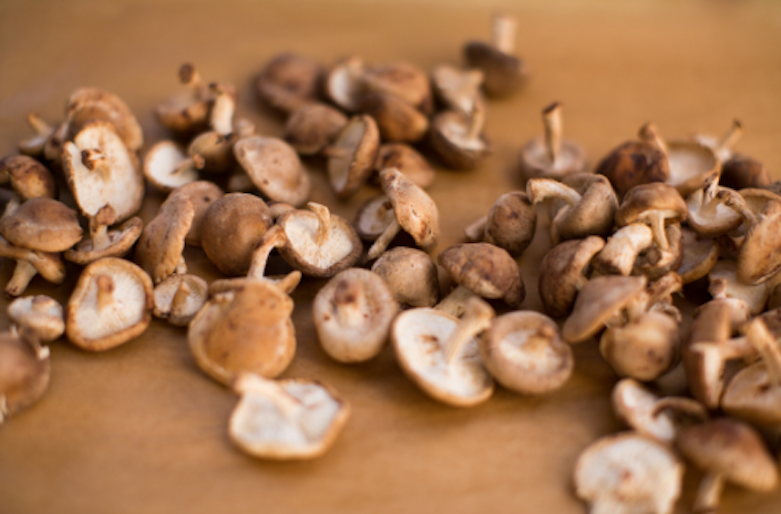
Fresh shiitakes
— Maitake (Grifola frondosa)
Also known as “hen-of-the-woods,” it is a large, fan-shaped polypore mushroom native to the temperate forests of Asia, North America, and Europe. The Japanese name “maitake” means “dancing mushroom,” a reference to the joy foragers felt upon finding this prized fungus. Maitake grows in impressive clusters at the base of hardwood trees, especially oaks, and can reach up to three feet in width and weigh over 10 kilograms, though most specimens are much smaller.
Botanical Features:
Maitake mushrooms have distinctive overlapping gray-brown caps with white-cream undersides and a robust, earthy aroma. Their fronds resemble the ruffled feathers of a hen, hence the common name. The mushroom is highly valued both as a culinary delicacy and for its medicinal properties.
Bioactive Compounds:
Polysaccharides (notably D-fraction, MD-fraction, SX-fraction, and β-glucans): These are the most studied compounds, known for their immune-modulating, antitumor, and hypoglycemic effects.
Proteins and glycoproteins: Contribute to immunomodulation, antioxidant, and antitumor activities.
Sterols and phenolic compounds: Offer antioxidant and anti-inflammatory benefits.
Vitamins and minerals: Maitake is a good source of vitamin D, B vitamins, potassium, and fibre.
Traditional and Modern Uses:
In traditional Asian medicine, maitake has been used as a tonic to promote vitality, support the immune system, and enhance overall wellness. Today, it is widely consumed both as a food and as an extract or supplement for its potential health-promoting effects.
Clinical and Scientific Evidence:
Immune System Support
Maitake’s D-fraction and β-glucans have well-documented immune-supporting properties. Clinical studies have shown that these compounds can stimulate the production of lymphokines and interleukins, enhance antibody responses, and activate natural killer (NK) cells.
A clinical trial found that dietary maitake enhanced antibody production after influenza vaccination and helped alleviate common cold symptoms, suggesting activation of both innate and adaptive immunity.
Antitumor and Cancer Support
Maitake polysaccharides, especially D-fraction, have demonstrated significant anti-tumour activity in laboratory and animal studies. They may help protect healthy cells, inhibit tumour growth, and enhance the effectiveness of conventional cancer therapies.
Some studies suggest that combining maitake extracts with vitamin C may further enhance their anticancer effects.
Metabolic and Cardiovascular Health
Maitake’s SX-fraction has shown promise in lowering blood glucose and improving insulin sensitivity in animal and early human studies, suggesting potential for diabetes management.
Beta-glucans in maitake can help reduce LDL cholesterol, improve arterial function, and support heart health without affecting HDL or triglycerides.
Antioxidant and Anti-inflammatory Effects
Maitake contains proteins, glycoproteins, sterols, and phenolic compounds with antioxidant properties, helping to reduce inflammation and oxidative stress.
Antiviral and Antimicrobial Activity
Maitake extracts have demonstrated activity against various pathogens, including hepatitis B, HSV-1, HIV, and influenza, in laboratory studies, supporting traditional uses for infection and immune defence.
Culinary and Safety Notes:
Maitake is a popular edible mushroom with a strong, earthy flavour and meaty texture. It can be sautéed, roasted, or used in soups and stews. As a supplement, typical doses of maitake extract range from 500 mg to 2 g daily, often standardised to D-fraction or β-glucan content.
Safety:
Maitake is generally well tolerated. Mild digestive upset may occur rarely. People with mushroom allergies or those on immunosuppressive therapy should consult a healthcare professional before use.
Dosage:
Dosage varies depending on the form and intended use, but the following evidence-based guidelines reflect clinical research and manufacturer recommendations. Typical Dosage Ranges:Whole Powder (Supplement or Culinary Use): A typical daily range for general wellness and immune support is 1–2.5 g.
Many supplements provide 500 mg to 1,000 mg per capsule, with a typical daily usage of 1–3 capsules.
Standardised Extracts (D-fraction, MD-fraction): 12–25 mg of extract per day is often recommended for disease prevention.
Clinical studies have used up to 20 mg of purified extract with 4 g of whole powder daily in specific conditions like HIV.
Higher Doses in Clinical Trials: Some studies have used up to 6 g of whole powder daily or 3 mg/kg twice daily of extract for 12 weeks in immune-related conditions.
For most people, 2,000 mg (2 g) per day of whole food powder is considered effective and safe for ongoing use.
How to Take Maitake:
Powder: Mix into smoothies, teas, or your favourite foods.
Capsules/Tablets: Swallow with water, following label instructions.
Extracts: Use as directed, often in smaller amounts due to higher concentration. Under strict medical guidance.
Safety and Precautions
Monitor blood sugar: Maitake can enhance the effects of diabetes medications and lower blood sugar levels.
Monitor blood pressure: It may also lower blood pressure; therefore, use caution when using antihypertensive drugs.
Warfarin/anticoagulants: Maitake may increase the risk of bleeding when taken in combination with blood thinners.
Pregnancy/lactation: Safety data are lacking; avoid unless supervised by a healthcare provider
Always follow product-specific instructions and consult your healthcare provider for personalised dosing, especially if you have chronic health conditions or take medication.
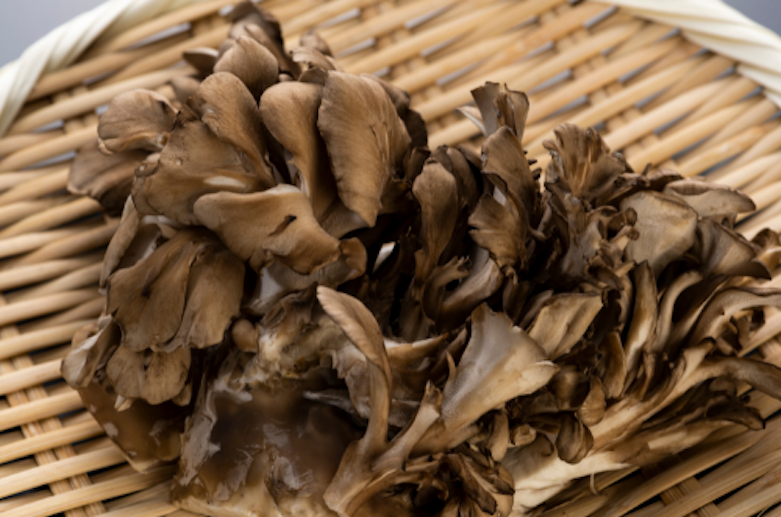
Maitake in a Chinese basket
Therapeutic Mushrooms: Final Notes
Contraindications: Who Should Avoid Medicinal Mushrooms?
Immunosuppressed Transplant Patients:
Reishi and Turkey Tail may reduce cyclosporine efficacy, risking organ rejection.
Bleeding Disorders:
Reishi’s adenosine content inhibits platelet aggregation; avoid with warfarin.
Autoimmune Flares:
Beta-glucans may overstimulate TH17 pathways in active lupus/MS.
Pregnancy:
Cordyceps showed uterotonic effects in animal studies.
Histamine Intolerance:
Shiitake and Maitake can trigger mast cell degranulation.
Quality Assurance Protocol
1. Third-Party Testing: Request that the manufacturer provide evidence of heavy metal (lead <0.5 ppm) and microbial (aflatoxins undetectable) batch testing results. If they don’t provide you with this simple information, run a mile! They are not to be trusted, and their products may be of low quality, contaminated, or contain GMOs, toxic additives, or all of the above.
2. Biomarkers:
Beta-glucans: ≥30% in extracts
Triterpenes: ≥5% in Reishi
3. Cultivation: Prefer organic log-grown over grain substrates for higher actives (non-negotiable for potency).
Future Research Directions
• Phase III Trials: Lion’s Mane for Parkinson’s dementia (NCT04849929)
• Nano-Encapsulation: Improving cordycepin bioavailability (2024 patent pending)
• Gut-Brain Axis: How Turkey Tail metabolites modulate GABA receptors
Who Should Not Use Medicinal Mushrooms?
Immunocompromised patients (e.g., organ transplant recipients, those on immunosuppressive drugs) should avoid immune-stimulating mushrooms like Reishi and Turkey Tail, as they may interfere with medication.
People with bleeding disorders or those taking anticoagulant or antiplatelet drugs should use caution, especially with Reishi, which can increase bleeding risk.
Pregnant or breastfeeding women should avoid medicinal mushrooms due to insufficient safety data.
Individuals with known mushroom allergies or who are prone to allergies should avoid these supplements.
Individuals with kidney issues should exercise caution when consuming Chaga due to its high oxalate content.
Conclusion: Precision Mycology
Medicinal mushrooms represent a convergence of traditional wisdom and 21st-century science. With rigorously defined dosing protocols and safety profiles, they offer a complementary approach to neurological, metabolic, and immune health. As the field evolves, practitioner education and standardised quality controls will be paramount for safe integration into holistic care.
You may discuss combining therapeutic mushrooms for specific applications. Many trusted manufacturers provide formulas containing two or more mushrooms, targeting specifi tissues, organs or systems in the body.
Also, different parts of the mushroom can be used, powdered or over-processed (offering no benefts whatsoever), so do not supplement without consulting a practioner first.
Source:
NIH — National Cancer Institute [https://www.cancer.gov/about-cancer/treatment/cam/patient/mushrooms-pdq]
References:
Arunachalam, K. Sasidharan, SP. Yang, X. (2022). A concise review of mushrooms antiviral and immunomodulatory properties that may combat against COVID-19. Food Chemistry Advances. 1, 100023. doi:10.1016/j.focha.2022.100023
Chanput, W. Reitsma, M. Kleinjans, L. et al. (2012). β-Glucans are involved in immune-modulation of THP-1 macrophages. Molecular Nutrition & Food Research. 56(5), pp. 822-833. doi:10.1002/mnfr.201100715
Chen, S. Mu, Z. Yong, T. et al. (2022). Grifolamine A, a novel bis-γ-butyrolactone from Grifola frondosa exerted inhibitory effect on α-glucosidase and their binding interaction: Affinity and molecular dynamics simulation. Current Research in Food Science. 5, pp. 2045-2052. doi:10.1016/j.crfs.2022.10.026
Chrysostomou, PP. Freeman, E. Murphy, MM. et al. (2024). A toxicological assessment of Ganoderma lucidum and Cordyceps militaris mushroom powders. Frontiers in Toxicology. 6, 1469348. doi:10.3389/ftox.2024.1469348
Chugh, RM. Mittal, P. Mp, N. et al. (2022). Fungal mushrooms: A natural compound with therapeutic applications. Frontiers in Pharmacology. 13, 925387. doi:10.3389/fphar.2022.925387
Cui, FJ. Yang, YM. Sun, L. et al. (2024). Grifola frondosa polysaccharides: A review on structure/activity, biosynthesis and engineering strategies. International Journal of Biological Macromolecules. 257(Pt. 1), 128584. doi:10.1016/j.ijbiomac.2023.128584
Das, AK. Nanda, PK. Dandapat, P. et al. (2021). Edible mushrooms as functional ingredients for development of healthier and more sustainable muscle foods: A flexitarian Approach. Molecules. 26(9), 2463. doi:10.3390/molecules26092463
Driscoll, M. Hansen, R. Ding, C. et al. (2009). Therapeutic potential of various beta-glucan sources in conjunction with anti-tumor monoclonal antibody in cancer therapy.Cancer Biology & Therapy. 8(3), pp. 218-225. doi:10.4161/cbt.8.3.7337
Friedman, M. (2015). Chemistry, nutrition, and health-promoting properties of Hericium erinaceus (Lion's Mane) mushroom fruiting bodies and mycelia and their bioactive compounds. Journal of Agricultural and Food Chemistry. 63(32), pp. 7108-7123. doi:10.1021/acs.jafc.5b02914
Gariboldi, MB. Marras, E. Ferrario, N. et al. (2023). Anti-cancer potential of edible/medicinal mushrooms in breast cancer. International Journal of Molecular Science. 24(12), 10120. doi:10.3390/ijms241210120
He, X. Wang, X. Fang, J. et al. (2017). Polysaccharides in Grifola frondosa mushroom and their health promoting properties: A review. International Journal of Biological Macromolecules. 101, pp. 910-921. doi:10.1016/j.ijbiomac.2017.03.177
He, Y. Zhang, L. Wang, H. (2019). The biological activities of the antitumor drug Grifola frondosa polysaccharide. Progress in Molecular Biology and Translational Science. 163, pp. 221-261. doi:10.1016/bs.pmbts.2019.02.010
Jiang, T. Shen, S. Wang, L. et al. (2022). Grifola frondosa polysaccharide ameliorates early diabetic nephropathy by suppressing the TLR4/NF-κB pathway. Applied Biochemistry and Biotechnology. 194(9), pp. 4093-4104. doi:10.1007/s12010-022-03976-8
Jiang, T. Wang, L. Ma, A. et al. (2020). The hypoglycemic and renal protective effects of Grifola frondosa polysaccharides in early diabetic nephropathy. Journal of Food Biochemistry. 44(12), e13515. doi:10.1111/jfbc.13515
Jin, X. Ruiz Beguerie, J. Sze, DM. et al. (2016). Ganoderma lucidum (Reishi mushroom) for cancer treatment. Cochrane Database of Systematic Reviews 4(4), CD007731. doi:10.1002/14651858.CD007731.pub3
Kühnel, H. Seiler, M. Feldhofer, B. et al. (2025). Ganodermalucidum extract modulates gene expression profiles associated with antioxidant defense, cytoprotection, and senescence in human dermal fibroblasts: Investigation of quantitative gene expression by qPCR. Current Issues in Molecular Biology. 47(2), 130. doi:10.3390/cimb47020130
Li, X. Sun, L. Chimonas, S. et al. (2024). Symptom improvements and adverse effects with Reishi mushroom use: A Cross-Sectional survey of cancer patients. Integrative Medicine Research. 13(4), 101089. doi:10.1016/j.imr.2024.101089
Loyd, AL. Richter, BS. Jusino, MA. et al. (2018). Identifying the "mushroom of immortality": Assessing the Ganoderma species composition in commercial reishi products. Frontiers in Microbiology. 9, 1557. doi:10.3389/fmicb.2018.01557
Łysakowska, P. Sobota, A. Wirkijowska, A. (2023). Medicinal mushrooms: Their bioactive components, nutritional value and application in functional food production — A review. Molecules. 28(14), 5393. doi:10.3390/molecules28145393
Mallard, B. Leach, DN. Wohlmuth, H. et al. (2019). Synergistic immuno-modulatory activity in human macrophages of a medicinal mushroom formulation consisting of Reishi, Shiitake and Maitake. PLoS One. 2019 Nov 7;14(11):e0224740. doi: 10.1371/journal.pone.0224740
Martínez-Montemayor, MM. Acevedo, RR. Otero-Franqui, E. et al. (2011). Ganoderma lucidum (Reishi) inhibits cancer cell growth and expression of key molecules in inflammatory breast cancer. Nutrition and Cancer. 63(7), pp. 1085-1094. doi:10.1080/01635581.2011.601845
Naguib, AM. Apparoo, Y. Xiong, C. et al. (2023). Maitake medicinal mushroom, Grifola frondosa (Agaricomycetes), and its neurotrophic properties: A mini-review. International Journal of Medicinal Mushrooms. 25(2), pp. 11-22. doi:10.1615/IntJMedMushrooms.2022046849
Sari, M. Hambitzer, R. Lelley, JI. et al. (2016). Characterization of cross-flow ultrafiltration fractions from Maitake medicinal mushroom, Grifoia frondosa (Agaricomycetes), reveals distinct cytotoxicity in tumor cells. International Journal of Medicinal Mushrooms. 18(8), pp. 671-680. doi:10.1615/IntJMedMushrooms.v18.i8.30
Sliva, D. (2004). Cellular and physiological effects of Ganoderma lucidum (Reishi). Mini-Reviews in Medicinal Chemistry. 4(8), pp. 873-879. doi:10.2174/1389557043403323
Suarez-Arroyo, IJ. Rosario-Acevedo, R. Aguilar-Perez, A. et al. (2013). Anti-tumor effects of Ganoderma lucidum (reishi) in inflammatory breast cancer in in vivo and in vitro models. PLoS One. 8(2), e57431. doi:10.1371/journal.pone.0057431
Tran, HB. Yamamoto, A. Matsumoto, S. et al. (2014). Hypotensive effects and angiotensin-converting enzyme inhibitory peptides of reishi (Ganoderma lingzhi) auto-digested extract. Molecules. 19(9), pp. 13473-13485. doi:10.3390/molecules190913473
Venturella, G. Ferraro, V. Cirlincione, F. et al. (2021). Medicinal mushrooms: Bioactive compounds, use, and clinical trials. International Journal of Molecular Sciences. 22(2), 634. doi:10.3390/ijms22020634
Vetvicka, V. Vetvickova, J. (2014). Immune-enhancing effects of Maitake (Grifola frondosa) and Shiitake (Lentinula edodes) extracts. Annals of Translational Medicine. 2(2), 14. doi:10.3978/j.issn.2305-5839.2014.01.05
Wu, JY. Siu, KC. Geng, P. (2021). Bioactive ingredients and medicinal values of Grifola frondosa (Maitake). Foods. 10(1), 95. doi:10.3390/foods10010095
Zhang, Y. Sun, D. Meng, Q. et al. (2017). Grifola frondosa polysaccharides induce breast cancer cell apoptosis via the mitochondrial-dependent apoptotic pathway. International Journal of Molecular Medicine. 40(4), pp. 1089-1095. doi:10.3892/ijmm.2017.3081
Zhang, ZQ. Liu, LP. Lei, L. et al. (2019). Antioxidative and immunomodulatory activities of the exopolysaccharides from submerged culture of Hen of the Woods or Maitake culinary — Medicinal mushroom, Grifola frondosa (Agaricomycetes) by addition of Rhizoma gastrodiae extract and its main components. International Journal of Medicinal Mushrooms. 21(8), pp. 825-839. doi:10.1615/IntJMedMushrooms.2019031597
[Animal study] Zhao, J. He, R. Zhong, H. et al. (2023). Synergistic antitumor effect of Grifola frondose polysaccharide-protein complex in combination with cyclophosphamide in H22 tumor-bearing mice. Molecules. 28(7), 2954. doi:10.3390/molecules28072954
Zhao, J. He, R. Zhong, H. et al. (2023). A cold-water extracted polysaccharide-protein complex from Grifola frondosa exhibited anti-tumor activity via TLR4-NF-κB signaling activation and gut microbiota modification in H22 tumor-bearing mice. International Journal of Biological Macromolecules. 239, 124291. doi:10.1016/j.ijbiomac.2023.124291
Zhao, J. Liang, K. Zhong, H. (2022). A cold-water polysaccharide-protein complex from Grifola frondosa exhibited antiproliferative activity via mitochondrial apoptotic and Fas/FasL pathways in HepG2 cells. International Journal of Biological Macromolecules. 218, pp. 1021-1032. doi:10.1016/j.ijbiomac.2022.07.098