
The Rising Cost of Healthy Eating: Is It Impacting Our Well-being
As the cost of living continues to rise, the price of healthy food is escalating at twice the rate of unhealthy alternatives. This growing disparity is having a profound impact on public health, increasing the rates of diet-related diseases and playing a key role in mental health challenges and inequalities across the UK.
In this article, the final part in our tryptic, we explore how the rising cost of nutritious food affects well-being, the broader societal consequences, and actionable solutions to address this urgent issue.
The Escalating Cost of Healthy Food: A Barrier to Better Nutrition
The cost of healthy food has become a significant barrier for many households. According to The Food Foundation’s Broken Plate Report, families with children are among the most affected by the rising prices of fruits, vegetables, and other nutrient-dense foods.[1] This trend is forcing many to turn to cheaper, ultra-processed manufactured food products (UPFs) that are calorie-dense but nutrient-poor and packed with questionable chemical additives.
Over the past two years, the price of healthy foods has risen by 21%, while the price of UPFs has increased by only 11%. This growing gap is forcing low-income households to cut back on essential items like fruits and vegetables, with 60% of food-insecure families reducing their fruit intake and 44% cutting back on vegetables due to affordability concerns.
The financial strain is particularly acute for families with children. The report reveals that the most deprived fifth of UK households must spend 45% of their disposable income on food to meet government-recommended dietary guidelines. This figure rises to 70% for families with children. This financial strain drives more people towards unhealthy options, perpetuating a cycle of poor nutrition and worsening health outcomes.
The Hidden Costs of Poor Diets
While UPFs may seem more affordable in the short term, their long-term consequences are costly for individuals and society. Poor diets are linked to a range of chronic diseases, including obesity, diabetes, heart disease, and mental health disorders. These conditions place an enormous burden on the NHS, with obesity-related illnesses alone forecasted to cost £9.7 billion annually by 2050. At the same time, it is expected that 250 million people will have dementia. The current trajectory must be rectified, and the government needs to act on this urgency.

Illustration by Olivier Sanchez extracted from practitioner mental health webinar.[2]
Malnutrition: A Growing Crisis
Malnutrition is a pressing issue in the UK, affecting millions of people and placing an enormous burden on the NHS and society. While often associated with extreme poverty in developing nations, malnutrition in the UK is widespread and insidious, particularly among older adults, low-income households, and individuals with chronic illnesses. Below, we explore the extent of malnutrition, its consequences, and the urgent need for improved screening, treatment, and prevention strategies.
The Scale of Malnutrition in the UK
Recent data highlights the alarming prevalence of malnutrition across health and care settings in the UK:
Nearly 45% of adults screened in hospitals, care homes, and community settings were found to be at risk of disease-related malnutrition—the highest figure since screening began in 2019.[3]
Among older adults (aged 65+), 1 in 10 are malnourished or at risk, with over 1.3 million affected.[4,5] The rate is 1 in 20 in the rest of the population.[6]
Malnutrition disproportionately affects those living at home (56%) or in care homes (55%), compared to hospital patients (44%).[3]
The risk factors include frailty, cancer, gastrointestinal conditions, respiratory diseases (including COVID-19), and neurological disorders. Additionally, 24% of patients screened were underweight, while others experienced unplanned weight loss or obesity-related malnutrition.
The Consequences of Malnutrition
Malnutrition has far-reaching impacts on physical health, mental well-being, and healthcare costs:
— Health Impacts
Malnutrition increases susceptibility to illness and infection, reduces mobility, and impairs psychosocial function. Among older adults, it leads to functional decline, falls, hospitalisation, and reduced independence.[4,6] For children and adolescents, malnutrition can stunt growth and development.[7]
— Economic Costs
The cost of treating malnourished patients is staggering. It is approximately two to three times higher than treating well-nourished individuals. On average:
Treating a non-malnourished patient costs £2,155.
Treating a malnourished patient costs £7,408.[6,8]
Overall, malnutrition costs the NHS an estimated £22–23.5 billion annually, accounting for 15% of the total healthcare budget.[6,8,9]
— Mental Health Implications
The link between diet and mental health is well-documented. Nutrient deficiencies can affect energy levels, mood, and cognitive function. Emerging research suggests that poor diets may also contribute to aggression and violence. For instance:
Omega-3 deficiencies have been associated with increased aggression
Studies in prisons show that improving inmates' diets can reduce violent incidents by up to 30%, highlighting how better nutrition could positively impact societal issues like crime and rehabilitation.
Barriers to Addressing Malnutrition
Despite its prevalence and impact, malnutrition remains underdiagnosed and poorly prioritised:
Awareness among healthcare professionals is low, particularly outside frontline care settings.
Screening tools like the Malnutrition Universal Screening Tool (MUST) are not universally implemented or consistently applied across hospitals and community settings.
Social care spending has dropped significantly over the past decade, leaving vulnerable populations without adequate support.
Future Trends: An Ageing Population at Risk
The UK’s ageing population exacerbates the malnutrition crisis. By 2035:
The number of people aged over 65 will grow by 50%, while those aged over 85 will increase by 113%.
Older adults are disproportionately represented among malnourished groups due to factors such as isolation, frailty, and limited access to nutritious food.
Without targeted interventions, these trends will worsen the burden on healthcare systems already stretched thin.
Ultra-Processed Food Products: Convenience at a Cost
UPFs dominate supermarket shelves due to their long shelf life and profitability for manufacturers. However, these products are chemical formulations loaded with added sugars, unhealthy fats, and mostly artificial ingredients that make them highly palatable — and, most importantly, addictive.
This “addiction” contributes to overconsumption and poor health outcomes. Research shows that UPFs are linked to increased risks of obesity, diabetes, cardiovascular disease, and even cognitive decline. Despite these risks, UPFs remain more accessible and affordable than fresh produce due to systemic issues in the UK’s food system.
The Policy Gap: Why Action Is Needed
Despite mounting evidence linking poor diets to health crises, policy responses have been insufficient. Current regulations often prioritise economic growth over public health, allowing ultra-processed foods to flourish while limiting access to natural, nutrient-rich options
One glaring example is the outdated Food Standards Novel Food Act, which restricts access to certain botanical ingredients with proven health benefits while doing little to curb harmful ultra-processed products.[10] Reforming such policies could pave the way for healthier food systems.
Economic Implications
Poor diets also have economic consequences beyond healthcare costs. Long-term sickness linked to diet-related illnesses contributes to workforce absenteeism and reduced productivity. Recent data from the Office for National Statistics (ONS) estimates that 2.8 million people aged 16-64 are economically inactive due to long-term sickness—a trend that is unsustainable for the UK economy.
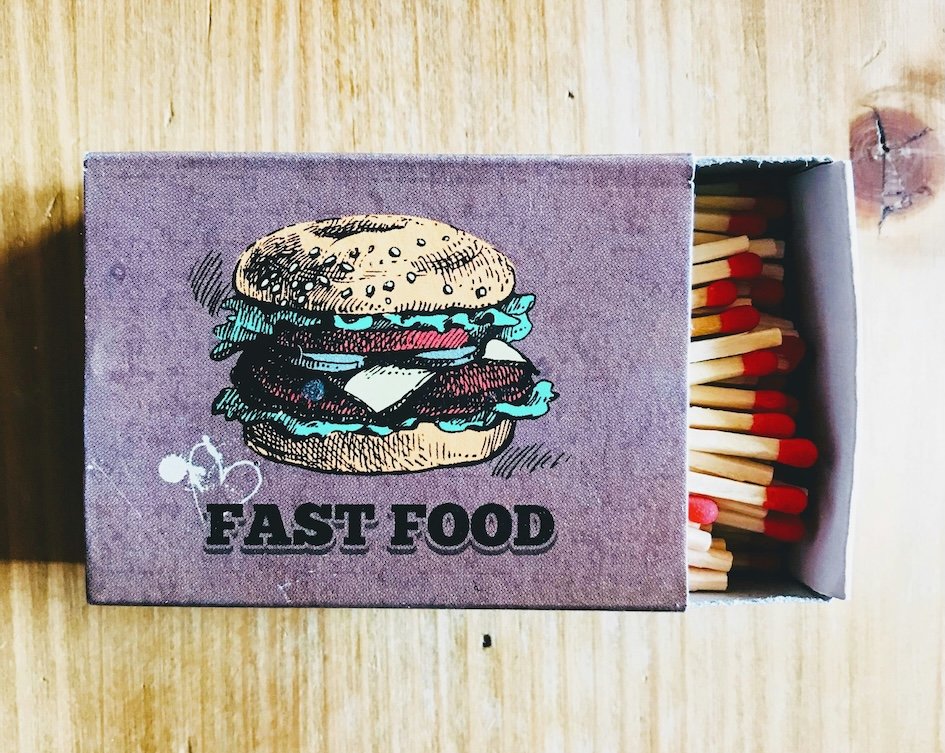
UPFs, the matches to ignite poor health outcomes?
The Staggering Costs of Unhealthy Diets
New analysis from the Food, Farming and Countryside Commission (FFCC) reveals that Britain’s unhealthy food system imposes a financial burden almost equivalent to the UK’s total annual healthcare spend. The report, The False Economy of Big Food, estimates that the cost of chronic diseases linked to poor diets amounts to £268 billion annually. This figure includes:
£67.5 billion in healthcare costs
£116.4 billion in lost productivity
£14.3 billion in social care expenses
£60 billion in human costs such as reduced quality of life.
Shockingly, solving this crisis would cost only a fraction of what is currently spent on managing its consequences. Yet, UPFs dominate the UK diet, accounting for over half of adult calorie intake and nearly two-thirds for adolescents.
Workforce Absenteeism and Productivity Loss
Poor nutrition is a major contributor to long-term sickness and absenteeism, which are crippling the UK economy. According to the Office for National Statistics (ONS), 2.8 million people aged 16-64 are economically inactive due to long-term sickness, many of whom suffer from diet-related illnesses such as obesity and diabetes. This represents a significant increase from pre-pandemic levels and accounts for nearly 7% of the working-age population.
The economic impact is staggering:
Obesity alone costs the UK economy £58 billion annually, equivalent to 3% of GDP
Employees with unhealthy diets are 66% more likely to experience productivity loss, according to a study by Brigham Young University
Poor eating habits cost UK businesses approximately £17 billion annually, with an estimated 97 million working days lost due to nutrition-related absenteeism.
These figures highlight the critical need for workplace interventions that promote healthier eating habits and improve employee wellbeing.
The Cost-of-Living Crisis: A Barrier to Better Nutrition
The rising cost of healthy food is aggravating dietary inequalities across the UK. Recent research by The Food Foundation highlights that healthier foods are now more than twice as expensive per calorie as less healthy options (£8.80 vs £4.30 per 1,000 kcal). Over the past two years, the price of healthy foods has risen by 21%, compared to just 11% for unhealthy alternatives.
For low-income households, this disparity is devastating:
The most deprived fifth of the population would need to spend 45% of their disposable income on food to afford a government-recommended healthy diet — a figure that rises to 70% for households with children.
One in seven households were food insecure in 2024, affecting approximately seven million adults and three million children.
This financial strain forces families to prioritise cheaper, calorie-dense foods over nutrient-rich options, perpetuating cycles of poor health and economic hardship.
“Shockingly, solving this crisis would cost only a fraction of what is currently spent on managing its consequences. Yet, UPFs dominate the UK diet, accounting for over half of adult calorie intake and nearly two-thirds for adolescents.”
Addressing Inequalities in Food Access
To bridge the gap between healthy and unhealthy food costs, targeted interventions are needed:
Subsidising Healthy Foods: Government subsidies for fruits, vegetables, and whole grains could make these options more affordable, especially for low-income households
Taxing Ultra-Processed Foods: Implementing taxes on sugary drinks or high-fat snacks and non-nourishing products (e.g., candies, etc.) could discourage consumption while generating revenue for public health initiatives.
Improving Accessibility: Expanding farmers’ markets and community-supported agriculture programmes can bring fresh produce closer to underserved areas. The aim is to create a supply chain from farm to table, focusing on local produce.
Educational Campaigns: Providing clear information about nutrition and cooking skills can empower consumers to make healthier choices within their budgets.
Increase social care funding to support vulnerable populations.
Reform outdated regulations like the Food Standards Novel Food Act to improve access to natural ingredients with proven health benefits.
Community-Based Initiatives
Local programmes can play a vital role in reaching isolated individuals:
Deliver meals tailored to nutritional needs for housebound older adults.
Provide education on affordable ways to prepare balanced meals using local ingredients.
Sensibilise consumers to use leftovers with recipes proposed by social influencers and TV chefs and reduce food waste
Workplace Interventions
Introduce healthy food options in staff/school/university canteens or vending machines, especially in hospitals.
Offer nutritional education programmes that teach employees how to prepare affordable, balanced meals.
Provide incentives for participation in wellness initiatives, such as discounts on gym memberships or meal kits.
Building a Healthier Future: Collective Responsibility
The solution lies in collective action involving policymakers, businesses, healthcare providers, and consumers:
— Policymakers
Policymakers must prioritise public health by creating environments where healthy choices are easier and more affordable. This includes reforming agricultural subsidies, regulating food marketing practices, and investing in nutrition education programmes.
— Businesses
Food manufacturers and retailers have a role in promoting healthier options by reformulating products to reduce sugar and fat content or offering discounts on nutritious items.
Considering that giant food manufacturers are the cause and perpetrators in our food and health crises, it is high times they were held accountable for their unrestricted liberties, for which they pay heavily policy makers (sorry, lobby), so to be immune from scrutiny and independently researched for every new chemical ingredients introduced in our foods and for purposely creating food shortages to hike prices (i.e., price of eggs has doubled because supermarkets refused to pay farmers more in line of skyrocketing cost of living (and operating), and yet doubled the price in stores to maximise their profits — supermarkets pay farmers the same, which means their margins have increased exponentially. As a result, it is expected that 2025 will see a massive shortage of eggs and price doubling again).
“Expect eggs to double in price this year because supermarkets refused to pay more and match the increasing cost of living, meaning that producers will not have enough to meet the demand this year. Supermarkets created all of this. To prevent losses, supermarkets will rely on eggs from China, which they will pay pennies for but sell for the price of gold in the UK.[11]”
— Consumers
Consumers can drive change by demanding better options from retailers and making small but impactful changes in their own eating habits, such as incorporating more fresh vegetables into their meals or reducing reliance on ultra-processed snacks.
Conclusion: Time for Action
The rising cost of healthy food is not just an economic issue; it’s a public health crisis with far-reaching consequences for individuals and society as a whole. Addressing this challenge requires urgent action at every level — from government policies that make nutritious food more accessible to consumer-driven demand for healthier options.
If we fail to act now, the long-term implications could be catastrophic, not just for our healthcare system but for future generations who will inherit the consequences of today’s inaction.
Sources:
1. The Food Foundation. (2025). Broken Plate Report 2025: The State of the Nation’s Food System. Available at: https://foodfoundation.org.uk/sites/default/files/2025-01/TFF_The%20Broken%20Plate%202005%20FINAL%20DIGITAL.pdf [Accessed 5 Apr 2025]
3. The British Association for Parenteral and Enteral Nutrition. (2025). What is the scale of malnutrition in the UK? Available at: https://www.bapen.org.uk/malnutrition/introduction-to-malnutrition/what-is-the-scale-of-malnutrition-in-the-uk [Accessed 5 Apr. 2025]
4. Wilson, L. (2021). The Malnutrition Task Force. State of the Nation 2021. Older people and malnutrition in the UK today. Available at: https://www.malnutritiontaskforce.org.uk/sites/default/files/2021-10/State%20of%20the%20Nation%202020%20F%20revise.pdf. [Accessed 5 Apr. 2025]
5. British Dietetic Association. (2025). Malnutrition. Available at: https://www.bda.uk.com/news-campaigns/campaigns/campaign-topics/malnutrition.html
6. Bottery, S. for The King's Fund. (2025). Malnutrition is arguably the biggest health risk we rarely think about. Available at: https://www.kingsfund.org.uk/insight-and-analysis/blogs/malnutrition-pandoras-box-health-care [Accessed 5 Apr. 2025]
7. Save the Children. (2025). UK AID CUTS: Deaths linked to malnutrition will rise worldwide. Available at: https://www.savethechildren.org.uk/news/media-centre/press-releases/2025/uk-aid-cuts-deaths-linked-malnutrition-will-rise-worldwide [Accessed 5 Apr. 2025]
8. UK Parlement. (2022). Malnutrition and the NHS. Volume 712: debated on Monday 25 April 2022. Available at: https://hansard.parliament.uk/commons/2022-04-25/debates/9BA607B2-C2C7-4A70-B8C4-8BDC148B6BE9/MalnutritionAndTheNHS [Accessed 5 Apr. 2025]
9. Local Government Association. (2025). Debate on the impact of food and diet on obesity, House of Commons, 13 January 2025. Available at: https://www.local.gov.uk/parliament/briefings-and-responses/debate-impact-food-and-diet-obesity-house-commons-13-january [Accessed 5 Apr. 2025]
10. Department of Health & Social Care. (2025). Government response to the House of Lords Food, Diet and Obesity Committee’s report 'Recipe for health: A plan to fix our broken food system'. Available at: https://www.gov.uk/government/publications/government-response-to-the-house-of-lords-food-and-health-report/government-response-to-the-house-of-lords-food-diet-and-obesity-committees-report-recipe-for-health-a-plan-to-fix-our-broken-food-system. [Accessed 5 Apr. 2025]
11. Sanchez, O. (2024). What Happens in the Soil, Doesn’t Stay in the Soil: How the Climate Impacts on Our Ecosystems. Available at: https://www.nutrunity.com/ecoliving-blog/soil-microbiota-climate-impacts-on-our-ecosystems