
Aluminium Toxicity: Sources, Risks, and Strategies for Reduction
Aluminium (or aluminum in American English) is the third most abundant element in the Earth’s crust and is widely used in industrial, household, and food-related applications. While it is generally considered less toxic than heavy metals like lead or mercury, chronic exposure to aluminium has been linked to neurotoxicity, oxidative stress, and potential contributions to diseases such as Alzheimer’s disease and bone disorders. This article explores the sources of aluminium exposure, its health risks, and actionable strategies to reduce exposure.
Sources of Aluminium Exposure
1. Dietary Sources
Processed Foods:
Aluminium compounds are commonly used as food additives in processed foods. For example:
Aluminium sulphate is used as a stabiliser in baking powders.
Sodium aluminium phosphate is found in processed cheese and baked goods.
Cooking Utensils:
Cooking acidic foods (e.g., tomatoes or citrus) in uncoated aluminium pots or pans can leach aluminium into food. Studies show that cooking acidic foods in aluminium cookware can increase aluminium content by up to 3–6 mg per serving.
Avoid tomato and tomato sauces sold in tins for the same reason.
2. Beverages
Tea Leaves:
Tea plants naturally accumulate aluminium from the soil, particularly in acidic soils. A 2019 study found that black tea can contain up to 4 mg/L of aluminium, especially when brewed for long periods.
Canned Drinks:
Aluminium cans may leach small amounts of aluminium into beverages, particularly if the inner lining is damaged or if the drink is acidic (e.g., sodas).
3. Personal Care Products
Antiperspirants:
Many antiperspirants contain aluminium-based compounds like aluminium chloride or zirconium tetrachlorohydrex glycine to block sweat ducts. Prolonged use has raised concerns about absorption through the skin and potential links to breast cancer and Alzheimer’s disease, although evidence remains inconclusive.
4. Pharmaceuticals
Antacids:
Aluminium hydroxide is a common ingredient in over-the-counter antacids, with some products containing up to 500 mg of aluminium per dose. Chronic use can significantly increase systemic aluminium levels.
5. Environmental Exposure
Air Pollution:
Aluminium particles are released into the air from industrial processes such as mining, smelting, and coal combustion. These particles can settle on crops and water sources or be inhaled.
Vaccines:
Aluminium salts are used as adjuvants in certain vaccines to enhance immune responses; however, regulatory agencies like the WHO and CDC consider the doses extremely low and considered safe for most individuals. However, more research is needed to evaluate the real danger of adjuvants like aluminium and mercury (still used in flu vaccines), which—by the way—are unnecessary ingredients and could be replaced easily by non-toxic alternatives.
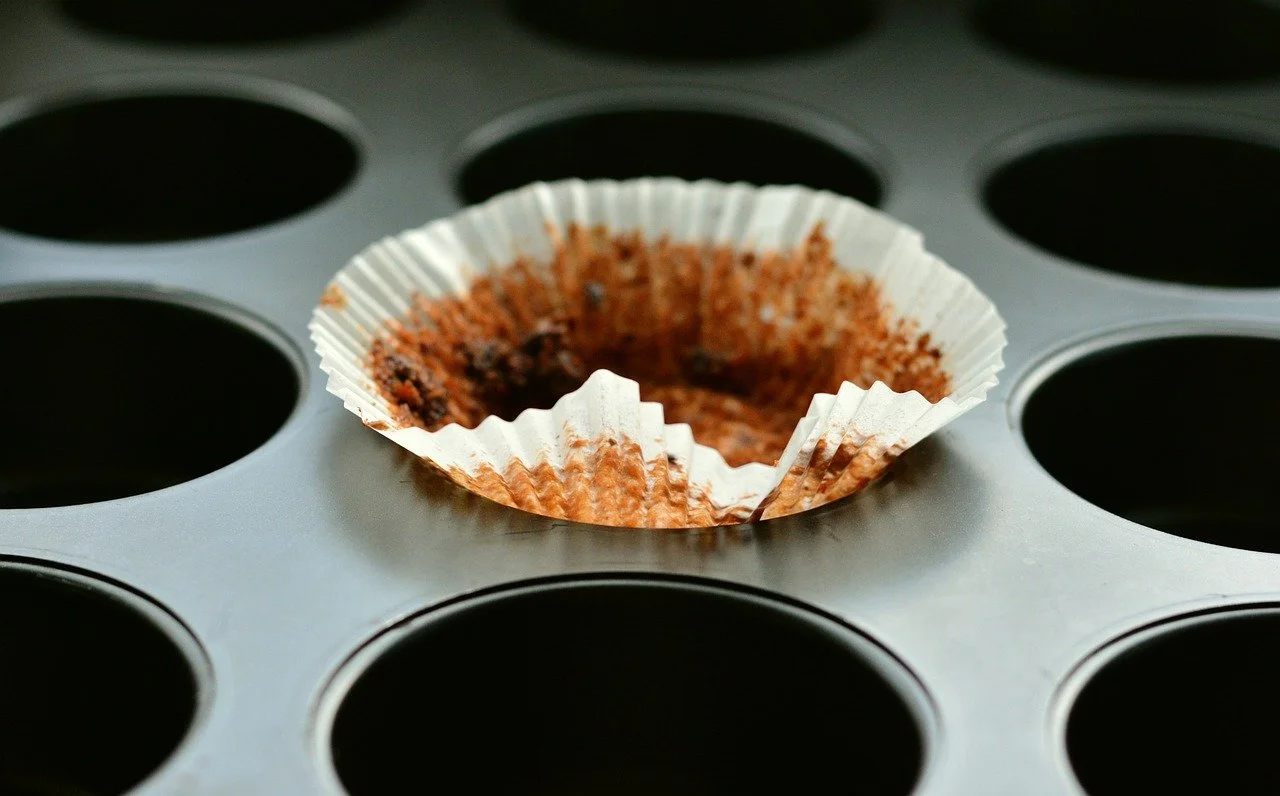
Aluminium muffin tray lined with PFOA nonstick coating?
Aluminium in Daily Consumer Products
Aluminium is pervasive in modern consumer goods, with exposure occurring through cosmetics, household items, food packaging, and pharmaceuticals.
— Cosmetics and Personal Care Products
1. Antiperspirants
Mechanism: Aluminium salts (e.g., aluminium chloride, aluminium zirconium) block sweat ducts.
Concentration: Up to 15–25% in spray formulations.
Safety: The EU Scientific Committee on Consumer Safety (SCCS) deems concentrations ≤10.6% in sprays and ≤6.25% in roll-ons safe.
Concerns: Potential dermal absorption links to breast tissue accumulation (correlation ≠ causation).
2. Makeup
Lipsticks/Eyeshadows: Aluminium-based pigments (e.g., aluminium lakes) for colour stability.
Sunscreens: Aluminium oxide coats UV filters like titanium dioxide.
3. Toothpaste
Function: Aluminium compounds (e.g., aluminium hydroxide) combat plaque.
Limit: ≤2.65% concentration deemed safe3.
— Household and Food-Related Products
1. Cookware and Foil
Uncoated aluminium pots/pans: Acidic foods (tomatoes, citrus, vinegar) provoke leaching (≥3–6 mg/serving)
Newly introduced cast-aluminium or enamel aluminium to replace heavier cast-iron cookware. However, items must be discarded at the first sign of damage (chipped enamel or non-stick layer). While you can absorb iron from cast iron pans, which can participate in your daily iron intake, aluminium is not required for any bodily function and is a toxin. So do not swap cast iron cookware for aluminium alternatives.
Aluminium foil: Direct contact with salty/acidic foods increases leaching; safer alternatives include parchment paper.
2. Baking Supplies
Baking powder: Often contains sodium aluminium phosphate.
Lye pastries (e.g., pretzels): Aluminium trays reacting with sodium hydroxide can transfer 10+ mg/kg aluminium.
3. Processed Foods
Additives: Aluminium silicate (anticaking agent in salt, shredded cheese) and alum (in pickles).
Colourants: Aluminium lakes in candies (e.g., M&Ms, jelly beans).
— Medications and Supplements
1. Antacids
Content: Up to 500 mg/dose of aluminium hydroxide.
Risk: Chronic use elevates systemic aluminium, especially in renal-impaired individuals.
2. Vaccines
Role: Aluminium adjuvants (e.g., aluminium hydroxide) enhance immune response. However, there is no indication why safer alternatives are not used.
— Other Sources
1. Drinking Water
Cause: Alum (aluminium sulfate) used in purification; cement-lined pipes.
Mitigation: Some carbon filters reduce levels, but some brands add aluminium.
Health Risks of Aluminium Exposure
1. Neurotoxicity
While the role of aluminium in Alzheimer’s disease remains controversial, some studies suggest that excessive aluminium exposure may contribute to neurodegenerative processes:
Aluminium can cross the blood-brain barrier and accumulate in brain tissues, potentially disrupting neuronal function by promoting oxidative stress and inflammation.
A 2020 study published in the Journal of Alzheimer’s Disease found elevated brain aluminium levels in patients with familial Alzheimer’s disease compared to controls.
Researchers have found aluminium in beta-amyloid plaques, raising concerns about aluminium being the precursor to plaque (via inflammatory pathways) rather than plaques trapping aluminium as a bystander.
2. Bone Disorders
Chronic exposure to high levels of aluminium has been linked to bone diseases such as osteomalacia (bone softening). Aluminium interferes with calcium metabolism by reducing calcium absorption and deposition into bones.
3. Kidney Impairment
Individuals with kidney disease are particularly vulnerable because impaired renal function reduces the body’s ability to excrete aluminium efficiently, leading to accumulation in tissues.
4. Immune Dysfunction
Excessive exposure may impair immune function by altering macrophage activity and promoting inflammatory responses.
Strategies to Reduce Aluminium Exposure
1. Choose Safer Cookware
Avoid using uncoated aluminium pots, pans, or foil for cooking acidic foods (e.g., tomatoes or vinegar-based dishes). Instead, opt for stainless steel, cast iron, glass, or ceramic cookware.
If you use aluminium foil for baking or grilling, place parchment paper between the foil and the food to minimise direct contact.
Avoid cast aluminium cookware, even if it is much lighter than cast iron. If you still want to consider those (or already have), damaged pots and pans must be discarded at the first signs of damage.
2. Limit Processed Foods
Reduce consumption of processed foods that may contain aluminium-based additives:
Avoid pre-packaged baked goods with ingredients like sodium aluminium phosphate or sodium aluminium sulphate.
Opt for natural leavening agents like baking soda instead of baking powders containing aluminium.
3. Mind your Tea
Limit brewing time for black tea (no more than 3–5 minutes) to reduce the release of aluminium into your cup.
Choose high-quality organic teas grown in less polluted soils. Green tea generally contains lower levels of aluminium than black tea.
4. Switch Personal Care Products
Use natural or organic deodorants that do not contain aluminium-based compounds. AVOID antiperspirants. Instead, opt for natural and safe deodorants that do not block pores and prevent your body’s natural detoxification pathways.
Check product labels for ingredients like “aluminium chloride” or “aluminium zirconium.”
5. Avoid Antacids
There is no evidence that antacids containing aluminium hydroxide are more effective than natural methods like slippery elms and other soothing ingredients.
Consider alternative antacids with calcium carbonate or magnesium hydroxide if interested in using drugs rather than looking at natural options.
6. Improve Dietary Detoxification
Certain nutrients can help mitigate the effects of aluminium exposure:
Silica-Rich Foods: Silica binds with aluminium in the gastrointestinal tract and facilitates its excretion via urine. Foods rich in silica include French beans, bananas, oats, barley, and mineral water high in silica. A study showed that drinking silica-rich water reduced urinary excretion of aluminium by up to 70% over three months. You may also consider liquid silica supplements. Carry a tiny bottle with you when eating out or having a takeaway with friends (you may never know how they prepare and cook their dishes and how much aluminium is used at different processing stages).
Antioxidants: Vitamins C and E combat oxidative stress caused by excess aluminium exposure.
Curcumin: Curcumin is found in turmeric and has been shown to reduce brain inflammation associated with neurotoxic metals like aluminium. It is also a key element of liver detoxification and the bile system.
Monitoring Aluminium Levels
If you suspect chronic exposure to high levels of aluminium due to occupational hazards or dietary habits:
Consider testing your blood serum or hair mineral levels through a certified laboratory.
Track symptoms such as memory loss, fatigue, or unexplained bone pain that could indicate potential toxicity.
Work with a healthcare professional or nutritionist specialising in heavy metal detoxification for tailored advice.
Conclusion
Aluminium exposure is pervasive but manageable with informed choices about cookware, diet, personal care products, and pharmaceuticals. By adopting safer alternatives — such as avoiding uncoated cookware for acidic foods or limiting processed foods containing additives — you can significantly reduce your body’s accumulation of this metal over time.
Book a consultation today for personalised guidance on reducing heavy metal exposure — including comprehensive detoxification plans tailored to your lifestyle!
Detoxification is a very complex process and when it comes to heavy metal toxicity, having all the information at your fingertips may help you make informed decisions. This is why I have published “Detox before Energise.” A guide to help you assess your exposure to toxicants and find alternatives to live a healthier life and protect your loved ones. This is information you should not be without!