
Are you looking to contribute to our platform?
For recipes and healthy eating
Access articles by categories
- Mental Health 51
- Stress 46
- Inflammation 40
- Gut Health 34
- Health 29
- Mindfulness 25
- Burnout 23
- Stress Management 20
- Anxiety 18
- Diet 14
- Detox 13
- Nutrition 12
- Sleep 12
- Neuroinflammation 11
- Toxins 11
- Healthy Eating 10
- Health Tips 9
- Hormones 9
- Immunity 9
- Liver 8
- Obesity 8
- Core Values 7
- Magnesium 7
- Mental Health and Well-being 7
- Metabolic Syndrome 7
- UPFs 7
- Brain Health 6
- Leaky Gut 6
- Mental Health Awareness 6
- Metabolic Health 6
- Neurodegeneration 6
- Pollution 6
- Self-care 6
- Self-growth 6
- Vitamins and Minerals 6
- Depression 5
- Gut Microbiome 5
- IBS 5
- Journaling 5
- Resilience 5
- Weight Loss 5
- Alzheimer's 4
- Collagen 4
- Detoxification 4
- Diabetes 4
- Digestion 4
- Emotional Freedom 4
- Energy 4
- Exercise 4
- Fatigue 4
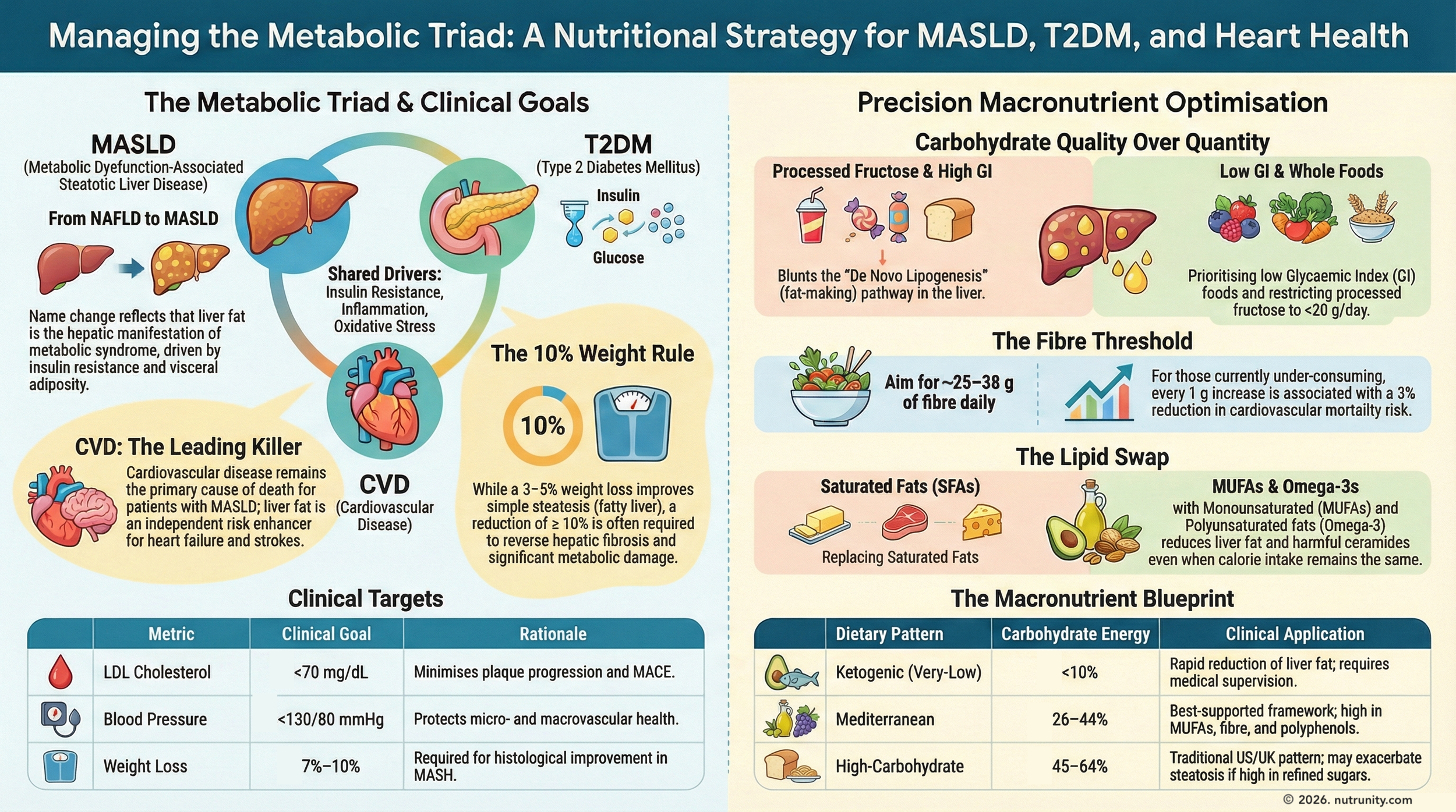
How Diet and Macros Shape Cholesterol, Liver Fat and Heart Disease Risk in Type 2 Diabetes — Independent of Weight Loss
How Diet and Macros Shape Cholesterol, Liver Fat and Heart Disease Risk in Type 2 Diabetes — Independent of Weight Loss
Why Macros Matter More Than You Think, more than calorie-counting and calorie reduction

MyPlate — a 10-year review.
MyPlate — a 10-year review.
A fully-referenced and researched article by Exquisite Private Chef. A must-read.

Managing Ankylosing Spondylitis (AS) Through Diet
Managing Ankylosing Spondylitis (AS) Through Diet
A nutrient-rich diet can help manage the symptoms of ankylosing spondylitis (AS). Consuming foods rich in essential vitamins and minerals may help reduce inflammation, improve overall health, and alleviate discomfort.
We review foods to eat and those to avoid.

Unlocking the Secret to Longevity: Telomeres – The Blueprint for Cellular Health and Vitality
The role of telomeres and targeted interventions
Over the past century, life expectancy has greatly increased in developed countries, but with it, chronic diseases such as cancer, cardiovascular disease, and neurodegenerative disorders also rise. Ageing processes, including telomere attrition (shortening of telomeres), lead to the deterioration of cell function, ultimately accelerating tissue degradation. Telomere shortening is a protective mechanism but paradoxically contributes to ageing and age-related diseases by triggering senescence or cell death once telomeres reach a critical length.