
How Diet and Macros Shape Cholesterol, Liver Fat and Heart Disease Risk in Type 2 Diabetes — Independent of Weight Loss
Why Macros Matter More Than You Think
For years, people with type 2 diabetes and dyslipidaemia have been told to “eat less and move more”. While total calorie intake certainly matters, research now shows that macronutrient composition (the balance of carbohydrate, protein and fat) dramatically influences cardiovascular risk, liver fat and inflammation, regardless of weight loss.
Recent findings show that in adults with type 2 diabetes, replacing a substantial proportion of dietary carbohydrate with protein and healthy fats improves triglyceride levels, the LDL particle profile, and liver fat content, independent of weight loss. This means you can have a more favourable cholesterol and lipoprotein pattern (and reverse MASLD and NAFLD, both fatty liver diseases linked to gut health), without necessarily seeing dramatic changes on the scales.
This is especially relevant for cardiometabolic health, where we now look beyond total LDL‑cholesterol to more nuanced markers, such as triglyceride‑rich lipoproteins, small-dense LDL, and HDL subclasses. HDL is always great to have at higher levels, while LDL is preferable to have at lower levels.
Carbohydrates, Cholesterol and Cardiovascular Disease Risk
First things first: Not all carbohydrates are equal. period.
From a metabolic perspective, carbohydrates range from minimally processed whole foods (such as lentils or oats) to rapidly absorbed sugars and refined starches (such as sugary drinks, sweets and the “white” stuff, including pasta, rice, and industrial bread, the kind that every supermarket sells). For people with insulin resistance and type 2 diabetes, high intakes of rapidly absorbed carbohydrate place a heavy burden on the liver and lipid metabolism.
When carbohydrate intake is high, particularly in the form of glucose and fructose from refined sources, several things tend to happen:
Triglyceride production in the liver increases.
More triglyceride‑rich lipoproteins (VLDL and remnants) appear in the blood.
Small dense LDL particles become more prevalent, a form of LDL that is more atherogenic.
HDL profile shifts towards less protective subclasses.
Carbohydrate Reduction: More than just Weight Loss
Importantly, clinical trials using a “carbohydrate‑reduced, high‑protein, higher‑fat diet” (for example, around 30% of energy from carbohydrate, 30% from protein and 40% from fat) have shown:
Lower fasting triglycerides.
Reduced triacylglycerol‑rich lipoproteins (transport triglycerides and cholesterol for energy or storage. High levels are linked to cardiovascular disease, stroke, and pancreatitis).
Fewer small dense-LDL particles.
A more favourable HDL subclass distribution (higher HDL2 relative to HDL3).
Significant reductions in liver fat (intrahepatic triglyceride).
These improvements occurred even when weight remained stable, indicating that the macronutrient shift directly benefits blood lipids and liver fat. For someone with type 2 diabetes, this means adjusting macros can improve cardiovascular risk profile without necessarily focusing solely on calories and scales. This is a complete paradigm shift, removing so much of the stress in their health journey.
Glucose vs Fructose: Why the Liver Cares
To understand diet, liver fat and cardiovascular disease, it helps to look separately at glucose and fructose, the two main simple sugars in our diet.
— Glucose levels: Driven by insulin
Glucose is absorbed from the intestine and enters the bloodstream, where it is taken up into cells under the influence of insulin. The liver takes up a portion of glucose and stores it as glycogen, but many other tissues also use it for energy. When carbohydrate intake is high, particularly in insulin‑resistant states, the liver converts excess glucose into fatty acids (de novo lipogenesis), which are packaged into triglycerides and exported as VLDL particles.
Here are the consequences of chronically high glucose intake for cardiometabolic health:
Higher post‑prandial glucose and insulin, making it difficult to manage blood sugar levels, energy, and mood.
Increased de novo lipogenesis when glycogen stores are saturated.
More VLDL and triglyceride‑rich lipoproteins, a major cardiovascular risk factor.
Progression of fatty liver and atherogenic dyslipidaemia.
— Fructose: almost entirely a liver load
Fructose is metabolised very differently. It is taken up almost exclusively by the liver and bypasses some of the normal regulatory steps that control glucose metabolism. High intakes of fructose, especially from sugar‑sweetened beverages, high‑fructose corn syrup, fruit juices and sweets, can:
Accelerate de novo lipogenesis in the liver.
Increase intrahepatic triglyceride (liver fat).
Raise VLDL‑triglycerides and uric acid.
Promote insulin resistance and low‑grade inflammation, exactly what we need to avoid in metabolic disorders and diabetes.
From a diabetes and liver health perspective, excess fructose is particularly problematic, contributing to non‑alcoholic fatty liver disease (NAFLD) and worsening the lipid profile associated with cardiovascular disease.
— Impact on the gut microbiome
Glucose and fructose also interact differently with the **gut microbiome**:
Diets very high in free sugars and refined carbohydrates can reduce microbial diversity, promote overgrowth of less favourable species, and increase intestinal permeability, in part, through reduced short-chain fatty acid production, disproportionate immune reactions, and low-grade inflammation.
Fructose malabsorption in some individuals can lead to more fructose reaching the large intestine, where it is fermented by bacteria, potentially driving gas, bloating and changes in microbiota composition, and complicating IBS management.
A disrupted gut barrier can allow more endotoxins (such as LPS) into circulation, which is associated with systemic inflammation and progression of NAFLD and atherosclerosis.
In contrast, when carbohydrate intake comes mainly from fibre‑rich whole foods, like vegetables, fruit in sensible portions, legumes and whole grains, the microbiome is better nourished, short‑chain fatty acids (such as butyrate) increase, and gut‑liver communication becomes more favourable, and so the liver-brain axis.
Protein and Fat: Friends, Not Foes, for Metabolic Health
— The case for higher protein in type 2 diabetes
A higher‑protein diet within a controlled calorie range can be particularly helpful in type 2 diabetes and dyslipidaemia:
Protein has a higher satiety value, which can naturally reduce energy intake.
It supports lean muscle mass, which is crucial for insulin sensitivity and metabolic health.
When protein replaces some carbohydrate, post‑prandial glucose spikes are reduced.
In the trials mentioned earlier, a carbohydrate‑reduced, high‑protein diet improved lipoprotein subclasses and liver fat independent of body weight.
Good protein sources include eggs, fish, poultry, tofu, tempeh, Greek yoghurt, lentils and beans (depending on individual tolerance).
— Fat quality matters
Dietary fat is often unfairly blamed for high cholesterol, but the picture is more nuanced. A macronutrient pattern that **replaces some carbohydrate with healthy fats** can improve triglycerides and HDL‑cholesterol, and support better glycaemic control.
Helpful fats include:
Monounsaturated fats: Olive oil, avocado, most nuts.
Omega‑3 polyunsaturated fats: Oily fish (wild or sockeye salmon, mackerel, sardines, herring, anchovies), linseed, chia seeds, walnuts.
Natural saturated fats in modest amounts: For example, ghee or butter, particularly when part of an otherwise whole‑food diet.
What tends to be harmful is a combination of highly-refined carbohydrates, industrial trans fats, and ultra‑processed food products, which together drive inflammation, dyslipidaemia, and endothelial dysfunction.
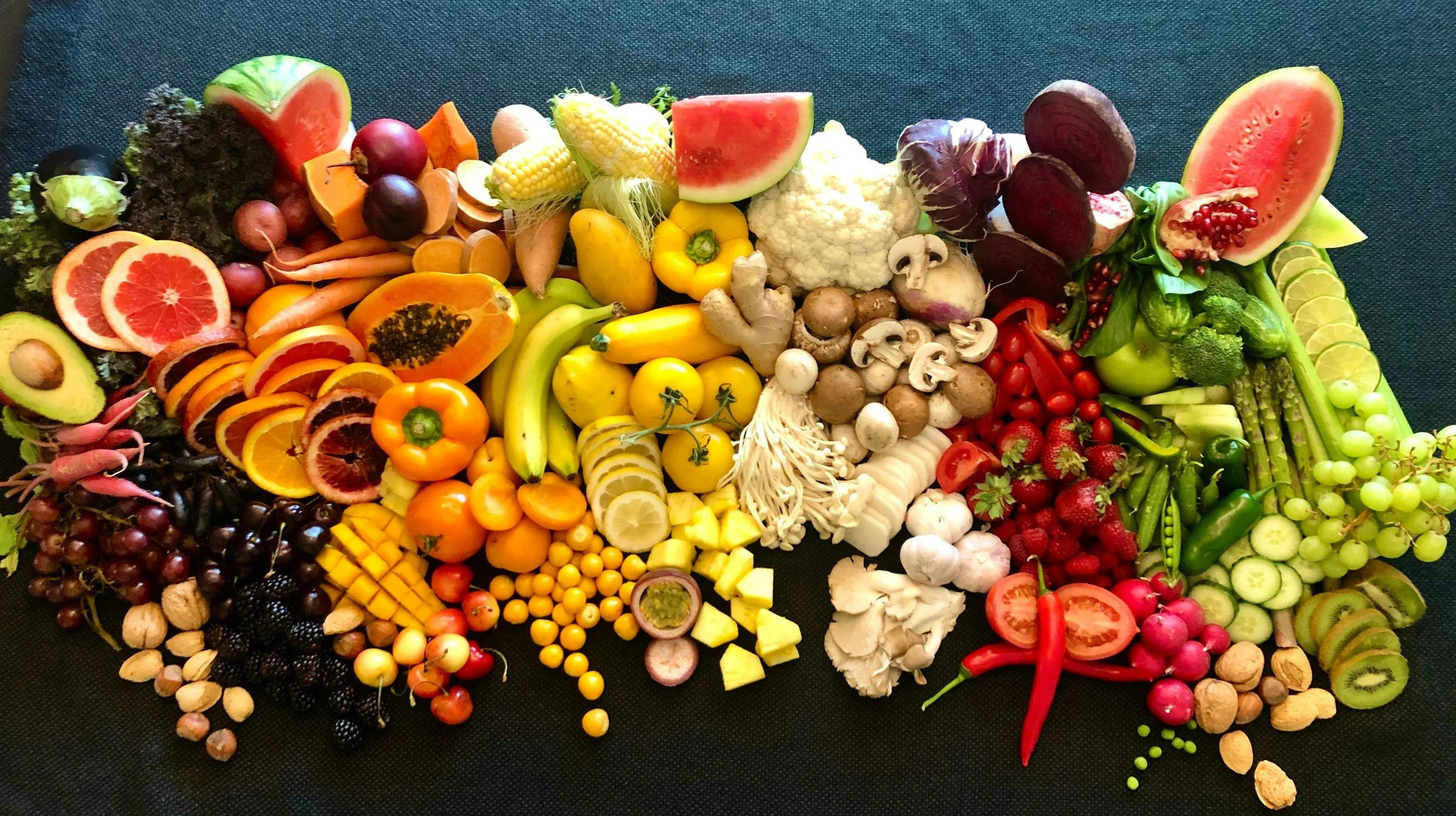
Rainbow Diet
In a Nutshell
The study by Gannon and Nuttall found that people with type 2 diabetes could substantially improve blood sugar control without losing weight or changing their medication, simply by changing the ratio of protein, carbohydrate and fat.
By reducing carbohydrate (especially starch) and increasing protein and fat (for example, to around 30% protein, 20–30% carbohydrate, and 40–50% fat), 24‑hour blood glucose exposure dropped by up to 38%, fasting glucose moved towards normal, and HbA1c fell by more than two percentage points in just five weeks. This kind of “low biologically available glucose” pattern highlights how strongly diet composition, not just calorie quantity, influences energy balance and glycaemic control in insulin resistance.
The study in detail:
Scientists were looking for a way for people with type 2 diabetes to control blood sugar by changing what they eat, not how much they eat, and without adding drugs or insulin. From their earlier work, they had established three key points:
Of all the carbohydrates we eat, absorbed glucose (especially from starch) is the main driver of post‑meal (postprandial) blood sugar rises.
Protein stimulates insulin secretion and can lower blood glucose when substituted for carbohydrate.
Fat doesn’t raise blood glucose directly, but it does influence insulin and the rate at which carbohydrate is absorbed.
Using these principles, they tested several diets in people with untreated type 2 diabetes for 5 weeks each, all isocaloric (no intentional weight loss):
Control diet: 15% protein ⏐ 55% carbohydrate ⏐ 30% fat
Test diets, for example:
30 : 40 : 30 — moderate carb reduction
30 : 30 : 40
30 : 20 : 50 — strong carb reduction with higher protein and fat
Key findings:
Moving from the standard 15:55:30 pattern to higher‑protein, lower‑carb patterns significantly reduced 24‑hour glucose exposure and improved long‑term glucose control (measured as total glycohaemoglobin).
On the 30:20:50 diet (30% protein, 20% carbohydrate, 50% fat), participants had:
About a 38% reduction in the 24‑hour glucose area under the curve
Fasting glucose was brought close to normal
HbA1c (% total glycohaemoglobin) fell from around 9.8% to 7.6% in just 5 weeks, and was still trending down at the end of the study.
Importantly, these changes occurred without weight loss or the addition of hypoglycaemic drugs, purely through macronutrient adjustment.
The findings are well aligned with my published research, which is available to you here.
Interestingly, a brand-new research paper justified prioritising plant-based proteins over animal proteins. However, is this in response to industrial, pro-inflammatory meat, injected with a soup of questionable additives to make it heavier and sold at a higher price, or to corroborate the current narrative?
Diet, Inflammation and Cardiovascular Disease
Cardiovascular disease is not just about cholesterol levels; it is also an inflammatory condition. Diet influences inflammation via:
Blood glucose and insulin fluctuations.
Oxidised LDL and remnant lipoproteins.
Liver fat and hepatic insulin resistance.
Gut microbiome composition and intestinal permeability.
Dietary pattern (whole foods versus ultra‑processed foods).
A dietary pattern that emphasises lower refined carbohydrates, higher protein, healthy fats and high‑fibre plant foods can help:
Lower triglycerides and improve HDL.
Shift LDL towards less atherogenic particles.
Reduce liver fat and improve NAFLD.
Support a healthier gut microbiome and barrier function.
Reduce low‑grade inflammation that contributes to atherosclerosis.
Supporting the Gut–Liver Axis: Practical Nutrition Tips
To translate all this into real life, it helps to focus on the gut–liver axis, where diet, microbiota and liver metabolism intersect.
1. Choose smarter carbohydrates
Prioritise vegetables (especially non‑starchy), legumes, modest portions of whole grains and whole fruit.
Minimise sugary drinks, fruit juices, sweets, pastries, white bread and highly refined cereals.
Spread carbohydrate intake evenly across the day to reduce sharp glycaemic spikes.
2. Be deliberate about fructose
Keep fruit juice, fizzy drinks and commercial smoothies to an absolute minimum. These are special treats, not go-to daily necessities
Enjoy whole fruit in appropriate portions, ideally combined with protein or fat (for example, berries with Greek yoghurt, or an apple and almond or pumpkin seed butter).
Check labels for high‑fructose corn syrup or large amounts of added sugars in sauces, cereals and snacks. Many industrial fruit juices contain both added sugars and corn syrup to make up for the absence of real fruits.
3. Include protein with every meal
Aim for a palm‑sized portion of protein at each main meal and a smaller portion with snacks if needed. This helps stabilise blood sugar, support muscle mass, and allow you to replace some carbohydrate calories with protein.
4. Embrace healthy fats, don’t fear them
Use extra virgin olive oil as your main added fat.
Eat oily fish 2–3 times per week if possible.
Add nuts, seeds and avocado for both fat and fibre.
Cook largely from scratch to avoid hidden trans fats and poor‑quality oils.
5. Feed your microbiome
Aim for a variety of plant foods across the week – different colours, fibres and polyphenols. 1 portion of greens (any of the brassica family) and a mix of each colour each day. Check instagram series for foods listed by their colour here.
Include fermented foods if tolerated (such as kefir, live yoghurt, sauerkraut, kimchi or kombucha).
Consider that certain probiotic strains may support metabolic health in general, but diet quality remains foundational.
6. Protect your liver beyond food
Keep alcohol intake within conservative limits, or avoid it altogether, especially if you have NAFLD, MASLD, or raised liver enzymes.
Maintain regular physical activity: both aerobic exercise and resistance training improve insulin sensitivity, liver fat and lipid metabolism.
Prioritise sleep and stress management; chronic stress and poor sleep disrupt glucose control and lipid metabolism, and suppress digestive function, nutrient assimilation and utilisation.
Putting It Together: A Metabolically Friendly Plate
For someone with type 2 diabetes, high cholesterol or fatty liver, a typical day of eating for “cardiometabolic health” might look like:
Breakfast:
Vegetable omelette cooked in olive oil with a side of berries and a small handful of nuts.
Avocado on gluten-free sourdough with anchovies and rocket leaves
Hummus with carrot, celery and cucumber batons, olives, and baby gems with lemon juice
Lunch:
Large salad with mixed leafy greens (baby kale leaves, rocket, mizuna, watercress and/or baby spinach),
Colourful vegetables (raw, grilled or roasted), grilled salmon or tofu (Organic only),
olive oil and lemon dressing, plus a small portion of quinoa, chickpeas or lentils if desired.
Snack (if needed):
Greek yoghurt (or non-industrial alternative) with ground linseed and/or chia, pumpkin, or sesame seeds, hummus with crudités.
Chia seed pudding with berries (no-added sugar).
Dinner:
Grilled chicken, tempeh or fish with roasted non‑starchy vegetables, a drizzle of olive oil, and a modest serving of sweet potato or beans.
Drinks: Filtered water (non-negotiable), herbal teas, and black coffee in moderation.
This style of eating naturally reduces refined carbohydrates and fructose, increases protein and healthy fats, and delivers abundant fibre and phytonutrients to support gut and liver health.
Don’t know where to start? Looking for more guidance and inspiration?
Here is your answer. It has helped hundreds of people. It could be you next.
Final Thoughts
When it comes to cardiovascular disease and type 2 diabetes, diet quality and macronutrient balance are as important as calorie quantity.
By reducing refined carbohydrates, especially fructose‑rich and rapidly absorbed sources, and increasing protein, healthy fats and fibre‑rich whole foods, you can:
Improve triglycerides and lipoprotein subclasses.
Reduce liver fat and support NAFLD recovery.
Lower systemic inflammation through better gut–liver–immune interactions.
Support long‑term cardiovascular health.
Studies:
Alzahrani, AH., Skytte, MJ., Samkani, A. et al. (2021). Effects of a self-prepared carbohydrate-reduced high-protein diet on cardiovascular disease risk markers in patients with type 2 diabetes. Nutrients. 13(5), 1694. doi:10.3390/nu13051694
Gannon, MC., Nuttall, FQ. (2006). Control of blood glucose in type 2 diabetes without weight loss by modification of diet composition. Nutrition & Metabolism. 3:16. doi:10.1186/1743-7075-3-16
Yin, HY., You, QH., Zhang, WJ. et al. (2026). High-protein diets and metabolic dysfunction-associated steatotic liver disease: A double-edged sword in liver health. World Journal of Gastroenterology. 32(6), 113804. doi: 10.3748/wjg.v32.i6.113804
References:
Boaful, G., George, P. (2021) Impact of different dietary patterns on blood lipid levels in patients with and without type 2 diabetes. Consultant. 61(8), e1-e5. doi:10.25270/con.2021.03.00008
Chopra, AK. (2024). Dietary management of dyslipidemia. Indian Heart Journal. 76(Suppl 1), S65-S72. doi:10.1016/j.ihj.2023.12.005
Hamamah, S., Iatcu, OC., Covasa, M. (20240. Dietary influences on gut microbiota and their role in metabolic dysfunction-associated steatotic liver disease (MASLD). Nutrients. 17(1), 143. doi:10.3390/nu17010143
Koloverou, E., Panagiotakos, DB. (2016). Macronutrient composition and management of non-insulin-dependent diabetes mellitus (NIDDM): A new paradigm for individualized nutritional therapy in diabetes patients. Reviews in Diabetes Studies. 13(1), pp. 6-16. doi:10.1900/RDS.2016.13.6
Sepehrinia, M., Khanmohammadi, S., Rezaei, N. et al. (2025). Dietary inflammatory potential and metabolic (dysfunction)-associated steatotic liver disease and its complications: A comprehensive review. Clinical Nutrition ESPEN. 65, pp. 162-171. doi:10.1016/j.clnesp.2024.11.032
Thomsen, MN., Skytte, MJ., Samkani, A. et al. (2025). Replacing dietary carbohydrate with protein and fat improves lipoprotein subclass profile and liver fat in type 2 diabetes independent of body weight: Evidence from 2 randomized controlled trials. American Journal of Clinical Nutrition. 121(2), pp. 224-231. doi:10.1016/j.ajcnut.2024.11.030