
Social Distancing: The Ongoing Cost on Human Connection
Just a month ago, a draft resolution proposed by Chile, Dominican Republic, Ecuador, Japan, Kenya, Mexico, Morocco, Panama, Paraguay, Spain, Sweden and more was given at the Seventy-eighth World Health Assembly: “Fostering social connection for global health: The essential role of social connection in combating loneliness, social isolation and inequities in health.
(PP3) Considering that social connection is a social determinant of health, and can be linked to other social, economic and environmental determinants, creating cumulative impacts on health;
(PP4) Acknowledging that digital technologies have a profound and complex impact on social connection, which needs to be better understood and managed to strengthen social connections for health and well-being;
(PP5) Recognising that social connection is an umbrella term describing how people relate and interact with each other and that social isolation and loneliness, when chronic, are forms of social disconnection that negatively affect physical and mental health, life expectancy, and well-being;
(PP6) Noting that inequalities and social, economic and environmental determinants of health can exacerbate loneliness and social isolation and recognising that these conditions are not experienced equally by all members of society, with some more likely to be disproportionally affected.”
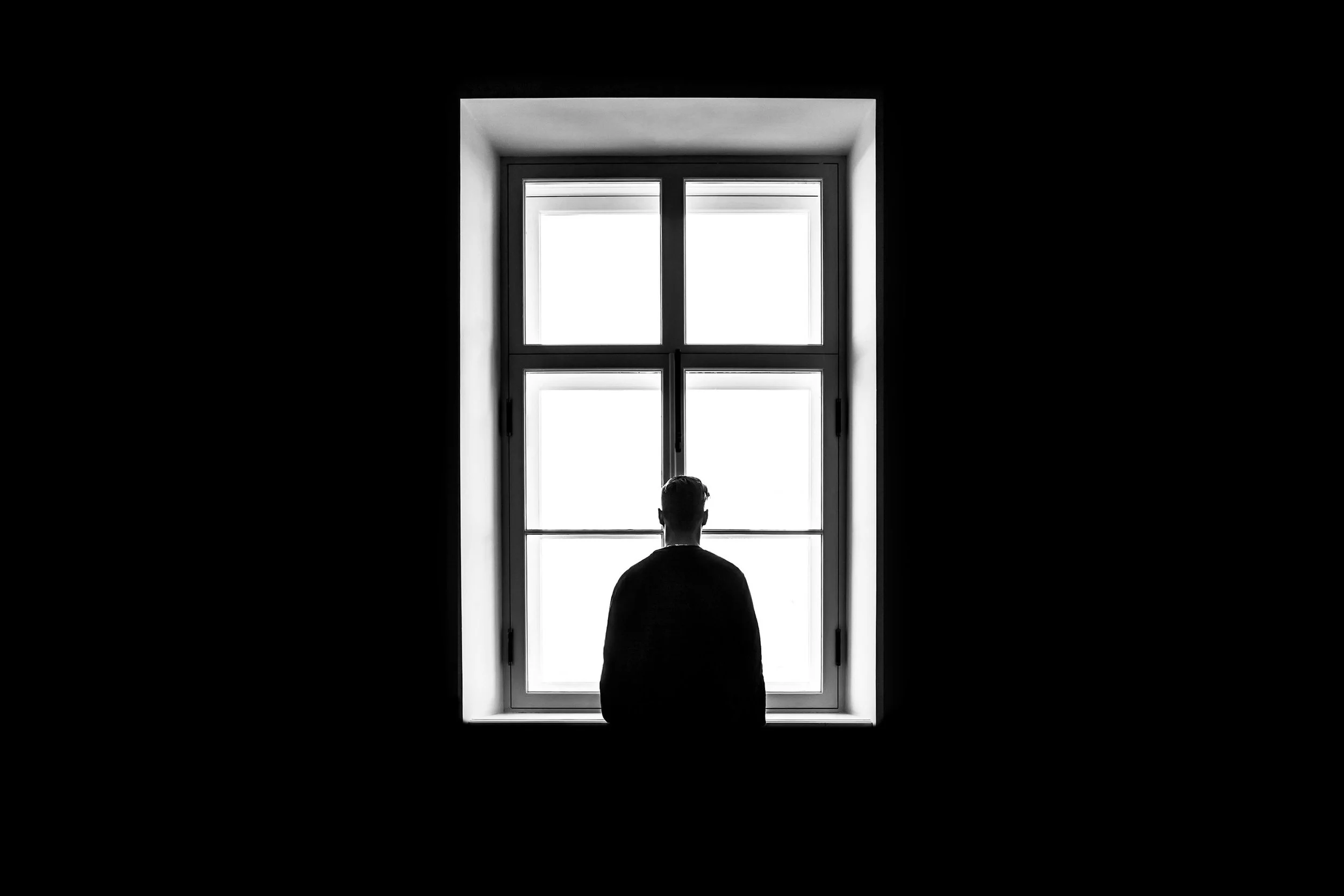
During the COVID-19 pandemic, the term “social distancing” was heavily used by all governments, as if it were a term they had to learn by heart, a term synonymous with keeping two metres apart, avoiding gatherings, and isolating — as the story would have it — to curb the spread of the virus. While public health frameworks presented these measures as essential to “flatten the curve,” the message could not have been clearer, and it had severe psychological and societal repercussions, creating a conflict between collective survival (as we were led to believe) and the fundamental human need for connection.
This article examines the dichotomy of social distancing, its intended mental health consequences and the subtle shifts it catalysed in society.
The Mental Health Toll: Loneliness, Anxiety, and the Erosion of Resilience
Social distancing exacted a heavy psychological price:
1. The Rise of “Pandemic Fatigue”
Prolonged isolation disrupted routines, severed support networks, and fuelled emotional exhaustion. Studies linked social distancing to:
Increased depression and anxiety.
Spikes in domestic violence and substance misuse.
Suicidal thoughts, particularly among young adults and frontline workers.
2. Greater Inequalities
Marginalised groups bore the brunt:
Low-income households faced overcrowded living conditions, making distancing impossible.
Essential workers (often from ethnic minorities) had no remote-work options, increasing exposure risks.
Children and the elderly struggled with digital divides, which significantly contributed to feelings of loneliness.
3. The “Rumination Trap”
Hypervigilance about health and financial instability created a feedback loop of stress. The lack of communal coping mechanisms — hugs, shared meals, face-to-face therapy — left many trapped in cycles of negative thinking. All the while, people who needed lifesaving surgeries or cancer treatment had their appointments cancelled indefinitely, causing thousands of unnecessary deaths. Further to this, a multitude of people could not gather for funerals, having to deal with grief behind closed doors, alone.
The Unspoken Shift: Systemic Changes and the “New Normal”
Beneath the public health narrative lay a subtler transformation. Social distancing accelerated trends, such as:
1. Digital Dependency
Remote work, telemedicine, and online learning became permanent fixtures, reshaping labour markets and education (also huge returns initiative!!!). While convenient, these shifts diluted workplace camaraderie and deepened screen addiction.
Working remotely has become so commonplace that today, large companies still offer the option, using it as an excuse to close offices.
2. Surveillance and Control
Under a disguised “plandemic,” a state of war was declared. Contact-tracing apps and vaccine passports, though framed as temporary, normalised digital surveillance. Critics questioned whether crisis measures might outlast the pandemic, altering privacy norms, which they did. Many of these measures are still in place today. Surveillance is growing stronger by the day, with the sudden introduction of AI in our lives without any safeguards in place. Unsurprisingly, it is being used as a means of surveillance (new AI functions will allow one AI to gather information from 15+ road cameras at any given time). AI can also use your router as a scanner, monitoring the number of people in rooms and their activity.
3. Reimagining Urban Spaces
Cities have deprioritised communal areas, such as parks and libraries, in favour of decentralised living. The decline of “third places” eroded social cohesion, particularly in urban areas.
Communal areas, such as parks, libraries, cafés, and community centres, have long served as the social heart of cities. These spaces, often referred to as “third places” (a term coined by sociologist Ray Oldenburg), are neither home (the “first place”) nor work (the “second place”), but neutral, accessible venues where people gather, interact, and form relationships.
Eroded Social Cohesion and Increased Loneliness:
Reduced social interaction: Without accessible third places, people have fewer opportunities for spontaneous encounters and community events, leading to increased isolation and loneliness.
Weaker neighbourhood ties: The decline of communal venues undermines the social fabric, making it harder for residents to build trust, share resources, and support one another in times of need.
Loss of community identity: Parks and libraries are anchors for neighbourhood identity. Their decline can erode a sense of place and belonging, especially in rapidly changing urban environments.
Social cohesion is crucial for creating healthy and resilient cities. Communal areas and third places not only support mental health and wellbeing but also drive economic vitality, creativity, and civic engagement. Their decline risks making urban life more fragmented, lonely, and less supportive, particularly for vulnerable groups such as the elderly, young people, and those in deprived areas.
When cities deprioritise communal areas like parks, libraries, and third places, they undermine the very spaces that encourage connection, trust, and a sense of belonging. This erosion of social cohesion is felt most acutely in urban areas, where opportunities for informal, inclusive social interaction are already under pressure.

Friend’s Cafe?
The Toll of the Pandemic and Social Distancing on Adults and Children
— Impact on Adults
For a very long time, it has been known that “isolation” is a predictor of functional decline, cognitive decline, and mortality, especially in the elderly. “Social Isolation” was, therefore, a thoroughly researched term to have the most effect on people, especially the vulnerable (the elderly, children, and those with mental health challenges).
“Social isolation has been recognized as a major risk factor for morbidity and mortality in humans for more than a quarter of a century.”
Mental Health Crisis:
Anxiety and Depression: Studies found significant increases in anxiety, depression, and PTSD symptoms among adults due to social distancing. A 2020 meta-analysis linked prolonged isolation to a 20–30% rise in depressive symptoms, with frontline workers and young adults most affected.
Stress and Burnout: Financial instability, remote work, and caregiving responsibilities all contributed to increased stress. A 2023 study noted that 47% of adults reported chronic stress, with women and low-income households disproportionately impacted.
Loneliness: Social isolation led to "pandemic fatigue," with 65% of adults reporting loneliness, particularly those living alone or in urban areas.
Physical Health:
Reduced physical activity, poor sleep quality, and increased substance use (alcohol, drugs) were widely reported, playing a pivotal role in mental health declines.
Economic Strain:
Job losses and remote work blurred work-life boundaries, increasing burnout.
— Impact on Children
Emotional and Behavioural Issues:
Anxiety and Depression: Up to 73% of children exhibited irritability, anger, or sadness during lockdowns. A UK study found emotional difficulties doubled among children aged 10–11 (from 17% pre-pandemic to 27% in 2021).
Developmental Delays: Prolonged isolation slowed social skills and independence. Parents reported delays in milestones, such as potty training and increased clinginess.
Academic and Social Disruption:
Remote learning widened educational gaps, particularly for low-income families. Reduced peer interaction led to a decrease in prosocial behaviours (e.g., sharing, empathy).
Lifestyle Changes:
Screen time surged by 50–70%, while physical activity and outdoor play dropped. Sleep disorders and unhealthy eating habits became prevalent.
Psychological Tactics Used to Encourage Compliance with Lockdowns
Fear Appeals:
Governments use fear-mongering tactics, emphasising COVID-19 mortality rates and hospital overload to stress urgency. Phrases like “flatten the curve” leveraged fear of healthcare collapse. Meanwhile, whistleblowers denounced large gatherings of government officials in many countries, including the UK and France.
Social Proof and Norming:
Messaging highlighted collective responsibility (“We’re all in this together”) and peer compliance (e.g., “90% of citizens are staying home”) to force conformity.
Guilt and Moral Duty:
Campaigns urged people to stay home to protect vulnerable loved ones (e.g., “Stay Home, Save Lives”). Non-compliance was framed as selfish or irresponsible.
Surveillance and Monitoring:
Contact-tracing apps and quarantine checks normalised surveillance, creating a perception of being watched to deter rule-breaking.
Positive Reinforcement:
Public applause for healthcare workers and community solidarity initiatives (e.g., balcony concerts) promoted compliance through social approval.
Key Takeaways
Adults faced significant stress from isolation, economic strain, and caregiving, leading to chronic mental health issues.
Children experienced developmental setbacks, emotional volatility, and screen dependency, with long-term implications for social skills. Today, we have entire generations addicted to their smartphones, social media and gaming — displaying all the signs of addictive behaviours when those are taken away.
Psychological tactics blended fear, social pressure, and moral appeals to enforce compliance, often at the cost of mental well-being — and the truth.
Sources:
World Health Organisation
NHS UK
MentalHealth.org
librariesconnected.org.uk
BBC:
https://www.bbc.co.uk/future/article/20250605-the-pandemic-generation-how-covid-19-has-left-a-long-term-mark-on-children
https://www.bbc.co.uk/worklife/article/20210428-third-places-how-losing-responsibility-free-zones-hurts-us
References:
Cacioppo, JT. Cacioppo, S. Capitanio, JP. et al. (2015). The neuroendocrinology of social isolation. Annual Reviews of Psychology. 66, pp. 733-767. doi:10.1146/annurev-psych-010814-015240
Di Blasi, M. Gullo, S. Mancinelli, E. et al. (2021). Psychological distress associated with the COVID-19 lockdown: A two-wave network analysis. Journal of Affective Disorders. 284, pp. 18-26. doi:10.1016/j.jad.2021.02.016
Grant, N. Hamer, M. Steptoe, A. (2009). Social isolation and stress-related cardiovascular, lipid, and cortisol responses. Annals of Behavioral Medicine. 37(1), pp. 29-37. doi:10.1007/s12160-009-9081-z
Holt-Lunstad, J. (2018). Why social relationships are important for physical health: A systems approach to understanding and modifying risk and protection. Annual Review of Psychology. 69, pp. 437-458. doi:10.1146/annurev-psych-122216-011902
Holt-Lunstad, J. Smith, TB. Baker, M. et al. (2015). Loneliness and social isolation as risk factors for mortality: A meta-analytic review. Perspectives on Psychological Science. 10(2), pp. 227-237. doi:10.1177/1745691614568352
Morina, N. Kip, A. Hoppen, TH. et al. (2021). Potential impact of physical distancing on physical and mental health: A rapid narrative umbrella review of meta-analyses on the link between social connection and health. BMJ Open. 11, e042335. doi:10.1136/bmjopen-2020-042335
Ng, CSM. Ng, SSL. (2022). Impact of the COVID-19 pandemic on children's mental health: A systematic review. Frontiers in Psychiatry. 13, 975936. doi:10.3389/fpsyt.2022.975936
Novotný, JS. Gonzalez-Rivas, JP. Kunzová, Š. et al. (2023). The long-term effects of consecutive COVID-19 waves on mental health. British Journal of Psychiatry Open. 10(1), e15. doi:10.1192/bjo.2023.620
Perissinotto, CM. Stijacic Cenzer, I. Covinsky, KE. (2012) Loneliness in older persons: A predictor of functional decline and death. Archives of Internal Medicine. 172(14), pp. 1078-1083. doi:10.1001/archinternmed.2012.1993
Smith, KJ. Gavey, S. RIddell, NE. et al. (2020). The association between loneliness, social isolation and inflammation: A systematic review and meta-analysis. Neuroscience & Biobehavioral Reviews. 112, pp. 519-541. doi:10.1016/j.neubiorev.2020.02.002
Spencer-Laitt, D. Eustis, EH. Barlow, DH. et al. (2022). The impact of COVID-19-related social distancing on mental health outcomes: A transdiagnostic account. International Journal of Environmental Research and Public Health. 19(11), 6596. doi:10.3390/ijerph19116596
Valtorta NK, Kanaan M, Gilbody S, et al. (2016). Loneliness and social isolation as risk factors for coronary heart disease and stroke: Systematic review and meta-analysis of longitudinal observational studies. Heart. 102, pp. 1009-1016.