
Listen to Your Gut: How Understanding Your Digestion Can Transform Your Health and Mental Well-being
Why Your Gut — and Your Poop — Matter More Than You Think
When was the last time you paid attention to your gut health?
For most of us, digestion is something we only notice when it’s causing discomfort. Yet, your gut is not just a food-processing system; it’s a powerful communicator, constantly sending signals about your overall health. And one of the most honest messengers? Your poop.
At Nutrunity UK, we believe that understanding your gut is the missing piece in your health puzzle. By taking a closer look at your digestion — and yes, your stool — you can unlock new levels of energy, emotional balance, and resilience.
In this article, we’ll explore why your gut health should be a top priority, how your stool reveals the truth about your body, and why a simple stool test with Nutrunity UK could be your first step towards lasting wellbeing.
Your Gut: Your Primal Brain
Did you know your gut is lined with over 100 million neurones? Your “primal brain” (often wrongly labelled as your “second brain”) is deeply connected to your mood, immunity, and even your hormones. When your gut is out of balance, you may experience not only digestive symptoms but also fatigue, anxiety, skin issues, or hormonal imbalances and sleep problems.
Your gut and brain are in constant communication, a relationship known as the microbiota-gut-brain axis. When your digestion is off, your mind and emotions can suffer too. That’s why so many people with chronic stress, mood swings, or brain fog also report bloating, irregularity, or discomfort after meals.
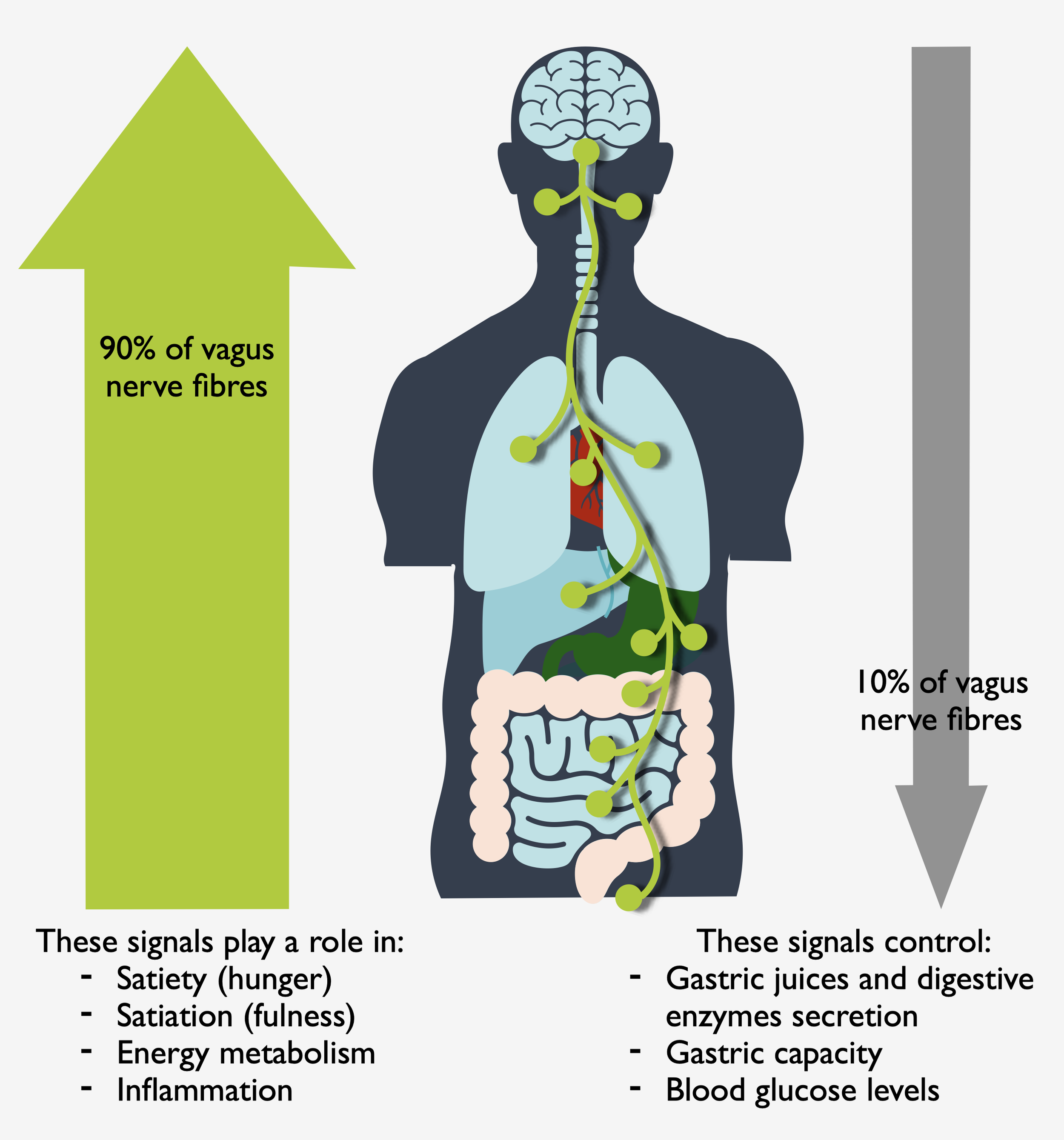
Communication pathways between the gut and the brain via the vagus nerve.
Poop: Your Daily Health Report Card
Most people are uncomfortable talking about their stool, but what’s coming out is just as important as what’s going in. Your daily bowel movements offer critical insights into:
How well you’re digesting and absorbing nutrients
Signs of inflammation or infection (mucous in stools is a red flag!)
Detoxification capacity
Hormonal shifts and imbalances
Consistently loose, floating, or undigested stool may indicate malabsorption, inflammation, or even food intolerances. Hard, infrequent stools could suggest dehydration, sluggish bile flow, or poor gut motility, all of which impact your body’s ability to detoxify and balance hormones.
The Microbiome: Your Health-supporting Ecosystem
Your stool contains billions of microorganisms, collectively known as the gut microbiome. This complex community influences everything from your immune system to your metabolism and even your weight. When your gut bacteria are out of balance (a state called gut dysbiosis), you may experience symptoms ranging from eczema and autoimmune issues to persistent fatigue, mood swings, anxiety and/or depression.
Advanced stool testing can even measure enzymes like beta-glucuronidase, which, when elevated, can disrupt hormone detoxification and contribute to symptoms like PMS, heavy periods, and stubborn weight gain.
Why “Normal” Isn’t Always Healthy
Many people have normalised symptoms like going to the toilet every three or four days, constant bloating, or always feeling tired after meals. Some people may go to the bathroom once a week (I was one of them for decades, until I took control of my health — My story will be featured in my new book on IBS, coming soon). But just because something is common doesn’t mean it’s normal or healthy. By learning to listen to your gut and observe your stool, you can identify early warning signs and take action before more significant problems develop.
The Foundations of Gut Health
Before reaching for supplements or advanced protocols, naturopaths and functional nutritionists focus on the basics:
Blood sugar balance: Reduces gut inflammation and supports healthy digestive rhythms.
Nutrient-dense, fibre-rich foods: Promote regular elimination and feed beneficial bacteria.
Hydration: Essential for smooth digestion and detoxification.
Stomach acid: Crucial for breaking down food and absorbing nutrients. Additionally, stress management is required because stress significantly impacts the release of stomach and digestive juices, affecting digestion, assimilation, and utilisation of nutrients, as well as disturbing blood sugar and lipid balance.
Nervous system support: Breathwork, mindfulness, and relaxation calm the gut-brain axis and improve motility.
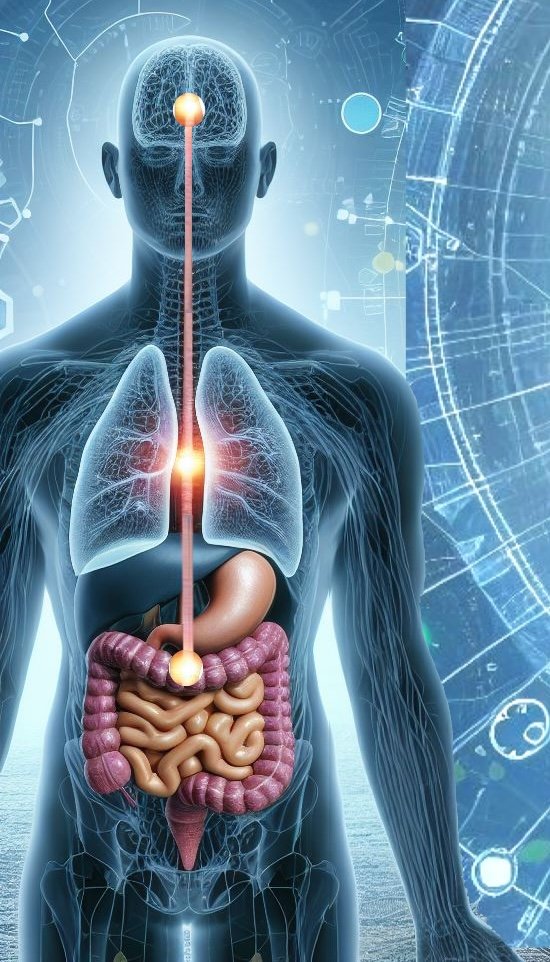
Vagal Tone is a now considered a key factor in health and disease
Your Gut, Your Emotions: The Surprising Link
The gut-brain connection means that emotional stress can trigger digestive symptoms, and vice versa. If you’re struggling with irritability, anxiety, or mood swings, your gut could be playing a bigger role than you think. Conversely, chronic digestive issues can make it more challenging to manage stress and remain calm. The liver is believed to be the seat of anger, and it is no wonder that people with digestive issues can be irritable and easily frustrated without any clear reasons.
Stool Test: A Simple Step to Transform Your Health
At Nutrunity UK, we encourage everyone to consider a stool test, a simple, non-invasive assessment that helps you tune into your digestion and bowel patterns. By analysing your stool, you can gain valuable insights into your gut’s microbial balance, digestive function, and potential hidden triggers for symptoms like bloating, discomfort, or irregularity.
Why a stool test?
It helps you connect the dots between your lifestyle and your gut health.
It can reveal hidden triggers for bloating, discomfort, or bowel irregularity.
It empowers you to take control of your health, one step at a time.
Where to Start
Observe: Pay attention to the frequency, consistency, colour, and smell of your stool. Keep a simple journal if needed.
Reflect: Notice how your gut feels after different foods, stressful days, or periods of inactivity. Are you a comfort eater or avoid food altogether when stressed?
Move: Gentle exercise, such as a gentle walk after meals, can support digestion and alleviate discomfort.
Hydrate: Drink plenty of water throughout the day to support regular bowel movements.
Eat Mindfully: Focus on whole, fibre-rich foods and chew thoroughly.
Breathe: Practice deep breathing or mindfulness to calm your nervous system, increase vagal tone and support the gut-brain axis.
Seek Support: If you have persistent symptoms, consider professional stool testing and personalised guidance from Nutrunity UK.
When to Seek Professional Help
Sudden or persistent changes in bowel habits, such as chronic diarrhoea, constipation, blood or mucous in stool, or unexplained weight loss, should always be discussed with a healthcare professional. While functional nutrition can offer deep insights, it’s essential to rule out serious conditions through conventional diagnosis and treatment when necessary.
Take Charge of Your Gut Health
Normalising the conversation about gut health and stool frequency is the first step towards lasting well-being. By paying attention to your body’s signals and seeking personalised support, you can transform your digestion, your energy, mood, and resilience.
At Nutrunity UK, we’re passionate about helping you uncover the missing pieces in your health puzzle. Our stool test and analysis can provide the clarity you need to make informed choices and thrive.
Ready to Take the First Step?
Don’t ignore your gut’s messages. Take the Nutrunity UK stool test and discover what your digestion is telling you. Your journey to better health begins from the inside out; one step and one honest conversation at a time.