
Weight‑Loss Jabs: Why Users Regain Weight After Cessation (and How to Reduce Rebound)
A review of the latest headlines.
Weight-loss jabs such as Mounjaro (tirzepatide) and Wegovy/Ozempic (semaglutide) are effective while you take them, but their benefits largely reverse, and weight is commonly regained when treatment stops, so the warning message in the Guardian piece is well supported by current medical evidence. These drugs also carry a predictable profile of gastrointestinal side effects and a minor but grave risk of acute and long‑term complications that users need to understand before starting therapy.
What are weight-loss jabs?
“Weight-loss jabs” usually refer to GLP‑1 receptor agonists (for example, semaglutide) and dual GIP/GLP‑1 agonists (such as tirzepatide) given by weekly injection for obesity or overweight with complications. They work by mimicking gut hormones that increase satiety, slow gastric emptying, and reduce appetite, leading to clinically meaningful weight loss when combined with lifestyle changes.
These drugs were initially developed for type 2 diabetes and later approved at higher doses for obesity, where trials show average losses of around 10–20% of baseline body weight depending on the agent and dose. In higher‑risk populations, they also improve blood sugar, blood pressure, lipids and markers of cardiovascular and kidney health, which has driven rapid global uptake.
Why does the weight come back after stopping
Evidence for weight regain: Multiple clinical trials and systematic reviews show that most people regain weight after discontinuing GLP‑1–based drugs, even when they continue lifestyle measures. A 2024 comprehensive review of GLP‑1 RA withdrawal concluded that long‑term pharmacotherapy is usually required to maintain weight loss and that cessation “commonly” leads to weight recovery because the hormonal and appetite effects are temporary. This can lead many people to remain on these drugs indefinitely out of fear of regaining the excess weight.
A 2025 meta‑analysis on weight regain after GLP‑1 discontinuation similarly found that a significant proportion of the weight lost is regained within months, with some individuals returning close to baseline weight over time or even more. Observational data in more than 125,000 patients also show that weight regain after stopping GLP‑1 therapy is strongly associated with restarting these drugs, underlining how transient the effect can be without ongoing treatment.
“A meta-analysis of weight regain after GLP‑1 discontinuation similarly found that a significant proportion of the weight lost is regained within months.”
Biological reasons for rebound
During pharmacologic weight loss, the body mounts compensatory responses: reduced energy expenditure, altered hunger hormones and changes in appetite‑regulating brain pathways, all of which favour weight regain when the drug is withdrawn. GLP‑1/GIP agonists help counter these signals while they are present, but once injections stop, the hormonal environment and appetite generally revert, and the pre‑existing drivers of obesity resurface. (especially if linked to emotional eating, food addictions, and nonexistent cooking abilities).
Because obesity is a chronic, relapsing condition, major professional bodies emphasise that drug therapy should be considered long‑term, alongside intensive lifestyle and psychological support, rather than a short‑term “jab” or detox. For many patients, this means that stopping treatment abruptly, especially without a structured maintenance plan, almost guarantees partial or complete weight regain.
Common short‑term side effects
Clinical trials and post‑marketing data show a consistent pattern of acute side effects with GLP‑1 and GIP/GLP‑1 agonists. The most frequent are gastrointestinal and typically appear when treatment starts or doses increase:
Nausea and queasiness, often dose‑dependent and reported in a large proportion of users.
Vomiting and diarrhoea, sometimes alternating with constipation.
Abdominal discomfort, bloating, early fullness and reflux‑like symptoms, associated with delayed gastric emptying.
Reduced appetite, altered taste and aversion to certain foods, which can contribute both to desired calorie reduction and to under‑nutrition if unmanaged.
Most of these symptoms are mild to moderate and tend to improve over several weeks as the body adapts. Still, they are also a common reason for dose reduction or discontinuation of therapy in routine practice. More severe presentations, such as persistent vomiting or diarrhoea, can lead to dehydration and pre‑renal acute kidney injury, especially in people with pre‑existing kidney or cardiovascular disease or those taking other nephrotoxic drugs.
Serious acute risks that warrant urgent care
Although serious complications are comparatively rare, regulatory agencies and clinical reviews highlight several important acute risks that users should be aware of.
Key red‑flag problems include:
Acute pancreatitis
Severe, continuous upper abdominal pain radiating to the back, often with vomiting and fever, has been reported in some GLP‑1 users and appears in product warnings.
Gallbladder disease
Rapid weight loss and GLP‑1 therapy can increase the risk of gallstones and gallbladder inflammation, typically presenting as right‑upper‑quadrant or epigastric pain, nausea and sometimes fever.
Severe dehydration and kidney injury
Prolonged vomiting or diarrhoea can precipitate acute kidney injury, particularly in older adults, those with chronic kidney disease, or those on diuretics or renin–angiotensin blockers.
Allergic and injection‑site reactions
Rash, urticaria, swelling or more generalised hypersensitivity are reported but uncommon.
Any patient on a weight‑loss jab who develops severe or persistent abdominal pain, repeated vomiting that limits fluid intake, fever with abdominal symptoms, or marked reduction in urine output should stop further injections and seek urgent medical assessment.
Long‑term effects: benefits and concerns
Long‑term data are still evolving, but several large observational cohorts and cardiovascular outcome trials now provide important signals about the balance of benefit and risk.
On the positive side, a 2024 global retrospective study in more than 24,000 people with obesity and no diabetes found that GLP‑1 treatment was associated with significantly lower all‑cause mortality and fewer cardiovascular events (including ischaemic heart disease, heart failure and stroke) compared with matched non‑users. Reviews of randomised trials in non‑diabetic overweight and obese patients similarly show reductions in major adverse cardiovascular events and overall mortality, with no clear increase in kidney injury, malignant tumours or acute pancreatitis compared with placebo.
However, longer‑term GLP‑1 use is associated with a higher incidence of gastrointestinal adverse events and gallbladder problems than placebo, and many patients discontinue therapy due to tolerability issues, cost or access barriers. Recent meta-analyses have not confirmed early safety concerns about thyroid and pancreatic cancer. Still, regulators continue to monitor for rare signals, and the full implications of using these agents in younger, otherwise healthy populations for decades remain uncertain.
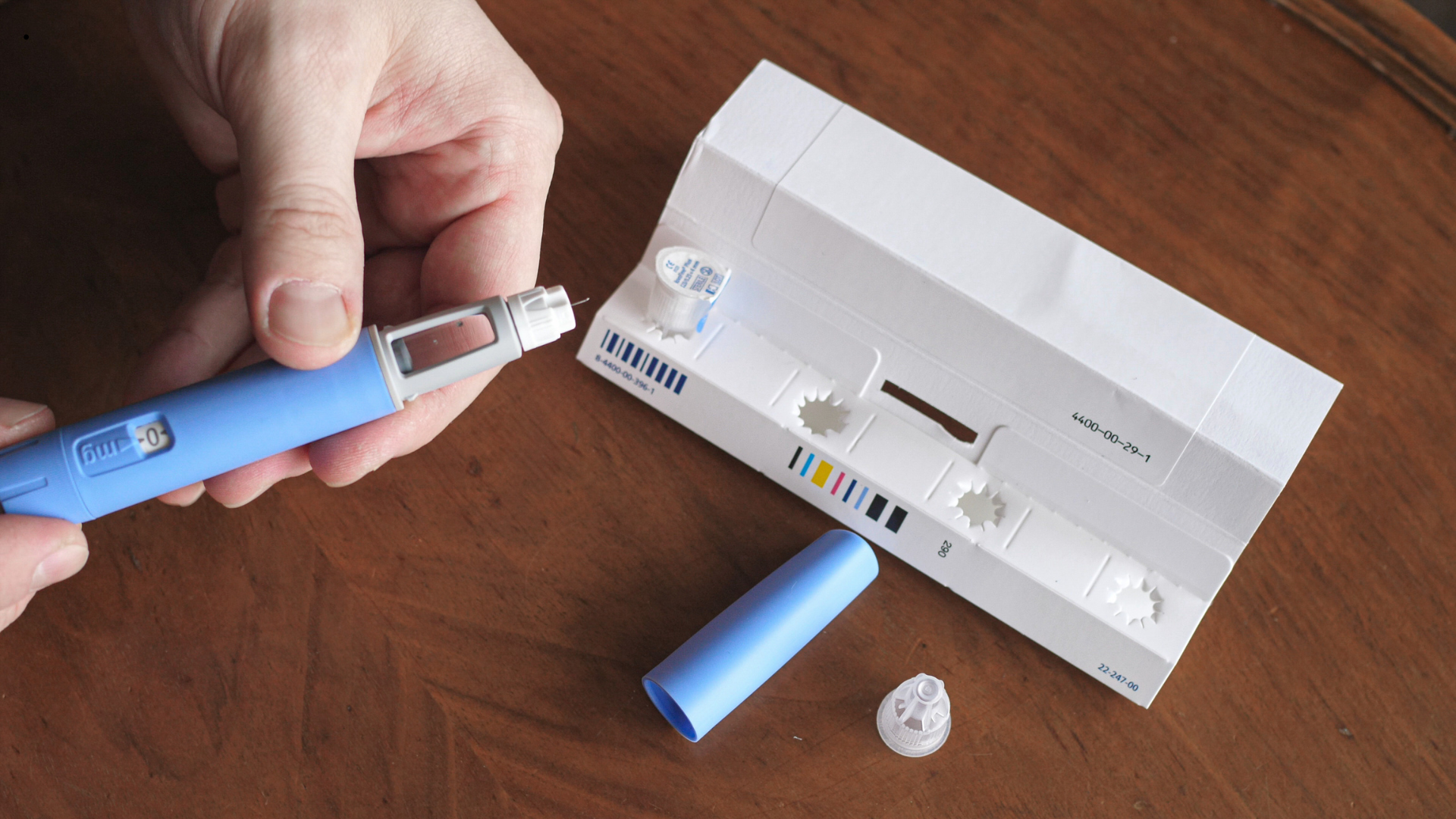
How do weight loss jabs cause weight regain after stopping treatment
Weight-loss jabs cause weight regain after stopping mainly because they only suppress, rather than cure, the underlying biology and behaviours that drive obesity. When the drug is withdrawn, appetite and energy balance tend to shift back toward weight gain, so many people rapidly regain much or most of the lost weight, or gain even more weight.
The basic physiological phenomenon is simple: Starving the body triggers metabolic changes intrinsically linked to survival and the stress response, which, when food is reintroduced, leads to marked changes the body considers overfeeding, especially if you return to your previous diet without watching your portions and pacing your food intake.
What the drugs do while you’re on them
These injections mimic gut hormones that:
Strongly reduce appetite and food cravings.
Slow gastric emptying, so you feel full on less food.
Improve blood sugar, which can dampen hunger swings.
While on treatment, this artificial hormonal environment helps people eat substantially fewer calories with far less effort than dieting alone, so weight comes off, and metabolic markers improve.
What changes when you stop
Once treatment stops, the pharmacologic hormone signal disappears within weeks, and several things happen together:
Appetite rebounds:
The brain’s appetite centres are no longer held in check, so hunger, food preoccupation and cravings come back, often stronger than before.
Energy expenditure is lower:
After weight loss, the resting metabolic rate decreases; this state persists, so the body now burns fewer calories, but the person can suddenly eat more again.
Gut‑hormone support is lost:
Endogenous GLP‑1 and related signals again reflect the person’s original physiology, which in many with obesity favours weight regain rather than stability.
That combination (more hunger + fewer calories burned) makes weight regain biologically likely, even if someone is trying to “be good”.
Evidence for rapid rebound
Several analyses show how quickly this plays out in practice:
In a semaglutide trial, people regained about two‑thirds of the weight they had lost within one year of stopping, despite continuing lifestyle support.
A pooled analysis of anti‑obesity medications found significant weight regain as early as 8 weeks after stopping, with a plateau lasting around 20 weeks.
Real‑world and trial data with newer agents (e.g., tirzepatide) show that participants can regain roughly half the weight they lost within months of switching from active drug to placebo.
These findings explain why obesity specialists now classify these medications as long‑term or chronic therapy rather than short courses. This will force many people to remain on these expensive medications for a very long time, due to the fear of regaining the weight they suddenly lost.
Behavioural and psychological drivers
Beyond physiology, behaviour plays a significant role:
While on jabs, people can lose weight without fully developing the skills needed to maintain it (meal structure, emotional‑eating tools, consistent activity). When the “chemical willpower” is removed, they may drift back to previous patterns.
If side effects limit food intake, stopping can feel like a sudden release; portions creep up, snacking returns, and calorie intake silently overshoots what a smaller body can handle.
Studies and expert commentary repeatedly note that people who stop medication without structured nutrition, exercise and psychological support are the most likely to rebound.
Why doesn’t this mean the drugs are useless?
The pattern of regain does not mean weight‑loss jabs “damage” metabolism beyond the usual adaptive changes that accompany weight loss; it reflects that obesity is a chronic, relapsing condition. Weight tends to increase when you stop anti‑obesity medication because the underlying drivers are still present.
To minimise the risk of regaining weight if treatment must stop, evidence and expert guidance support:
Gradual dose tapering rather than abrupt cessation where possible.
Intensifying lifestyle interventions (structured protein‑adequate diet, resistance training, behavioural therapy) before and after stopping.
Close follow‑up, with the option to restart medication if a significant rebound occurs and no contraindications exist.
In summary, weight‑loss jabs cause weight regain after stopping, not by “creating” a new problem, but by temporarily overriding powerful biological and behavioural systems that push weight up; when the override is removed, and nothing substantial has changed in those systems, the body and behaviour naturally drift back toward higher weight.
In other words, shortcuts never work in nature! Before looking at losing weight, you must understand your relationship with food and your body, what triggers emotional eating or addiction, and why you are not looking to improve your cooking abilities to eat wholesome meals made from scratch.
“Regulators continue to monitor for rare signals, and the full implications of using these agents in younger, otherwise healthy populations for decades remain uncertain.”
Hidden risks of using jabs without full medical oversight
The medical literature supports several reasons why unsupervised or poorly supervised use of weight‑loss injections is risky, which reinforces the warning tone of investigative reporting.
Inappropriate patient selection
People with a history of pancreatitis, severe gastrointestinal disease, certain endocrine tumours, advanced kidney disease, and other chronic, inflammatory and autoimmune disorders may face higher risks and require specialist assessment rather than casual prescribing or online purchasing.
Insufficient counselling about rebound
Many users are not clearly told that obesity medication is typically long‑term and that stopping suddenly leads to weight regain, which can be psychologically distressing and may worsen disordered eating patterns.
Under‑nutrition and muscle loss
Rapid appetite suppression without tailored dietary support can reduce protein and micronutrient intake, increasing the risk of lean mass loss, fatigue and longer‑term metabolic slowdown.
Polypharmacy and interaction risks
In people with diabetes, cardiovascular disease, or chronic kidney disease, GLP‑1 agonists interact with other medications and may necessitate dose adjustments (e.g., insulin or sulfonylureas) to avoid hypoglycaemia or volume‑related problems.
For these reasons, major guidelines recommend that GLP‑1 and GIP/GLP‑1 agonists be prescribed within a comprehensive obesity management programme that includes dietary, physical activity, and psychological support, and with ongoing review of efficacy, side effects, and mental health.
Key warning messages for people considering weight-loss jabs
Taken together, current research supports several clear, evidence‑based warnings for anyone using or considering these injections.
Weight‑loss jabs are not quick fixes; benefits persist only as long as the drug is continued.
Stopping injections commonly leads to partial or full weight regain, even with lifestyle efforts.
Gastrointestinal side effects are common and can be severe enough to cause dehydration and kidney stress if not managed.
Rare but serious complications such as pancreatitis, gallbladder disease and acute kidney injury require awareness of red‑flag symptoms and prompt medical review.
Long‑term data show important cardiovascular and renal benefits in high‑risk groups, but safety and cost–benefit balance must be weighed carefully, especially in lower‑risk or younger people.
Safe use demands proper screening, informed consent, nutrition and lifestyle support, and realistic messaging about the likelihood of needing ongoing therapy.
In conclusion
Weight‑loss jabs do work, but the central, evidence‑based conclusion is that their benefits are largely conditional on staying on the drug (most probably the way pharma companies assure a constant stream of income), and they come with a predictable burden of side effects and some serious, if uncommon, risks. Readers should come away understanding that these are powerful, long‑term medical treatments for a chronic disease rather than temporary cosmetic injections, and that using them without full medical oversight and realistic expectations can cause harm.
In practical terms, most people can expect considerable weight loss while taking these injections. Still, the scientific literature consistently shows that once treatment stops, weight drifts back up and, in many cases, returns to baseline or exceeds it over time, even when people continue lifestyle changes. That rebound is not a personal failure; it reflects strong biological mechanisms that push body weight back to its defended level once the drug’s appetite‑suppressing effect is removed. Any honest discussion of these medicines, therefore, has to tell users that “coming off” them commonly means giving up some or much of the benefit they have just worked hard to achieve.
At the same time, users need to know that day‑to‑day side effects are not rare or trivial. Nausea, vomiting, diarrhoea, constipation, abdominal pain, bloating and early fullness are among the most frequently reported problems, and for a substantial minority these symptoms are intrusive enough to interfere with eating, work and social life. In a smaller group, more severe vomiting or diarrhoea can lead to dehydration and kidney stress, and recognised complications such as pancreatitis, gallbladder disease or severe gastric problems, while uncommon, are serious and require urgent medical attention rather than being dismissed as “normal” jab effects.
The long‑term picture is nuanced: large studies show important benefits for high‑risk patients, including better diabetes control and fewer cardiovascular events, but they also show that many people experience worse outcomes in many body systems and cardiovascular health. That means the ethical use of these drugs depends on proper screening (for example, avoiding high‑risk patients such as those with a history of pancreatitis without specialist input), clear explanation of likely side effects and red‑flag symptoms, and a plan to protect muscle and bone mass, nutrient intake and mental health throughout treatment.
References:
Abdullah Bin Ahmed, I. (2024). A comprehensive review on weight gain following discontinuation of glucagon-like peptide-1 receptor agonists for obesity. Journal of Obesity. 2024, 8056440. doi:10.1155/2024/8056440
Ard, J. Fitch, A. Fruh, S. et al. (2021). Weight loss and maintenance related to the mechanism of action of glucagon-like peptide-1 receptor agonists. Advances in Therapy. 38(6), pp. 2821-2839. doi:10.1007/s12325-021-01710-0
Ayoub, M. Aibani, R. Dodd, T. et al. (2024). Risk of esophageal and gastric cancer in patients with Type 2 Diabetes receiving glucagon-like peptide-1 receptor agonists (GLP-1 RAs): A national analysis. Cancers (Basel). 16(18), 3224. doi:10.3390/cancers16183224
Ayoub, M. Chela, H. Amin, N. et al. (2025). Pancreatitis risk associated with GLP-1 receptor agonists, considered as a single class, in a comorbidity-free subgroup of Type 2 Diabetes patients in the United States: A propensity score-matched analysis. Journal of Clinical Medicine. 14(3), 944. doi:10.3390/jcm14030944
Bethel, MA. Patel, RA. Merrill, P. et al. (2018). Cardiovascular outcomes with glucagon-like peptide-1 receptor agonists in patients with type 2 diabetes: A meta-analysis. Lancet Diabetes & Endocrinology. 6(2), pp. 105-113. doi:10.1016/S2213-8587(17)30412-6
Bettge, K. Kahle, M. Abd El Aziz, MS. et al. (2017). Occurrence of nausea, vomiting and diarrhoea reported as adverse events in clinical trials studying glucagon-like peptide-1 receptor agonists: A systematic analysis of published clinical trials. Diabetes, Obesity and Metabolism. 19(3), pp. 336-347. doi:10.1111/dom.12824
Filippatos, TD. Panagiotopoulou, TV. Elisaf, MS. (2014). Adverse effects of GLP-1 receptor agonists. Reviews in Diabetes Studies. 11(3-4), pp. 202-230. doi:10.1900/RDS.2014.11.202
Huang, YN. Liao, WL. Huang, JY. et al. (2024). Long-term safety and efficacy of glucagon-like peptide-1 receptor agonists in individuals with obesity and without type 2 diabetes: A global retrospective cohort study. Diabetes, Obesity and Metabolism. 26(11), pp. 5222-5232. doi:10.1111/dom.15869
Liu, L. Chen, J. Wang, L. et al. (2022). Association between different GLP-1 receptor agonists and gastrointestinal adverse reactions: A real-world disproportionality study based on FDA adverse event reporting system database. Frontiers in Endocrinology (Lausanne). 13, 1043789. doi:10.3389/fendo.2022.1043789
Rodriguez, PJ. Zhang, V. Gratzl, S. et al. (2025). Discontinuation and reinitiation of dual-labeled GLP-1 receptor agonists among US adults with overweight or obesity. JAMA Network Open. 8(1), e2457349. doi:10.1001/jamanetworkopen.2024.57349
Singh, S. Garg, A. Tantry, US. et al. (2024). Safety and efficacy of glucagon-like peptide-1 receptor agonists on cardiovascular events in overweight or obese non-diabetic patients. Current Problems in Cardiology. 49(3), 102403. doi:10.1016/j.cpcardiol.2024.102403
Wilding, JPH. Batterham, RL. Davies, M. et al. (2022). STEP 1 Study Group. Weight regain and cardiometabolic effects after withdrawal of semaglutide: The STEP 1 trial extension. Diabetes, Obesity and Metabolism. 24(8), pp. 1553-1564. doi:10.1111/dom.14725