
Are you looking to contribute to our platform?
For recipes and healthy eating
Access articles by categories
- Mental Health 51
- Stress 46
- Inflammation 40
- Gut Health 34
- Health 29
- Mindfulness 25
- Burnout 23
- Stress Management 20
- Anxiety 18
- Diet 14
- Detox 13
- Nutrition 12
- Sleep 12
- Neuroinflammation 11
- Toxins 11
- Healthy Eating 10
- Health Tips 9
- Hormones 9
- Immunity 9
- Liver 8
- Obesity 8
- Core Values 7
- Magnesium 7
- Mental Health and Well-being 7
- Metabolic Syndrome 7
- UPFs 7
- Brain Health 6
- Leaky Gut 6
- Mental Health Awareness 6
- Metabolic Health 6
- Neurodegeneration 6
- Pollution 6
- Self-care 6
- Self-growth 6
- Vitamins and Minerals 6
- Depression 5
- Gut Microbiome 5
- IBS 5
- Journaling 5
- Resilience 5
- Weight Loss 5
- Alzheimer's 4
- Collagen 4
- Detoxification 4
- Diabetes 4
- Digestion 4
- Emotional Freedom 4
- Energy 4
- Exercise 4
- Fatigue 4
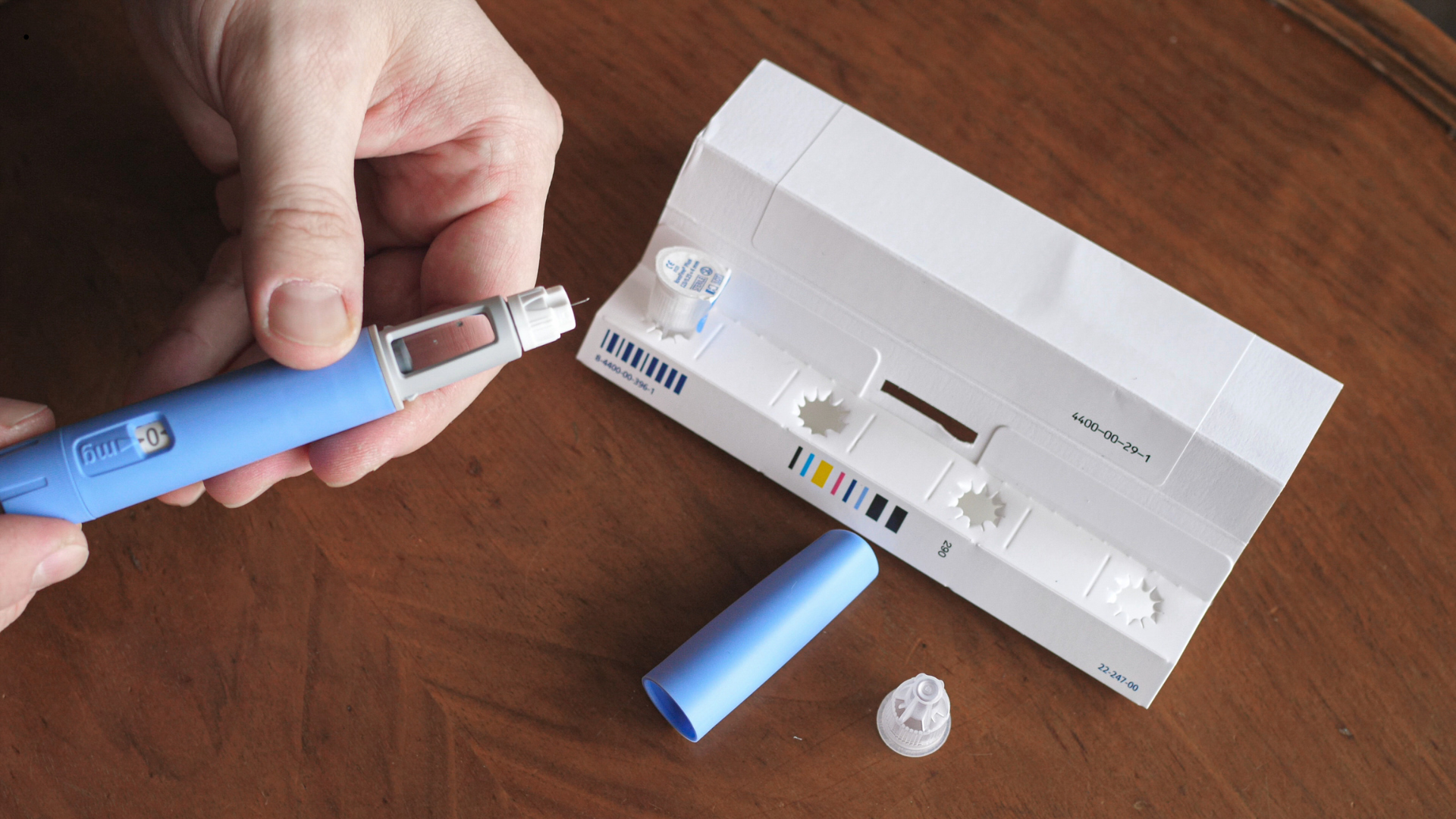
Weight‑Loss Jabs: Why Users Regain Weight After Cessation (and How to Reduce Rebound)
Weight‑Loss Jabs: Why Users Regain Weight After Cessation (and How to Reduce Rebound)
Weight‑loss jabs like Ozempic, Wegovy and Mounjaro have transformed obesity care, but almost no one is talking about what happens when you stop them. This article unpacks the emerging research on “Ozempic rebound” and semaglutide cessation, showing why so many patients rapidly regain weight once the injections end, and how this can undo hard‑won metabolic gains. It also explores the real‑world side‑effect burden (from daily nausea and gut issues to rarer complications like pancreatitis and gallbladder disease) and explains why these drugs should be treated as long‑term, medically supervised therapies rather than quick fixes.
For clinicians, coaches and patients, it offers practical, evidence‑based strategies to minimise rebound weight gain, protect muscle and nutrient status, and make genuinely informed decisions about starting — and eventually stopping — weight‑loss injections.