
Are you looking to contribute to our platform?
For recipes and healthy eating
Access articles by categories
- Mental Health 51
- Stress 46
- Inflammation 40
- Gut Health 34
- Health 29
- Mindfulness 25
- Burnout 23
- Stress Management 20
- Anxiety 18
- Diet 14
- Detox 13
- Nutrition 12
- Sleep 12
- Neuroinflammation 11
- Toxins 11
- Healthy Eating 10
- Health Tips 9
- Hormones 9
- Immunity 9
- Liver 8
- Obesity 8
- Core Values 7
- Magnesium 7
- Mental Health and Well-being 7
- Metabolic Syndrome 7
- UPFs 7
- Brain Health 6
- Leaky Gut 6
- Mental Health Awareness 6
- Metabolic Health 6
- Neurodegeneration 6
- Pollution 6
- Self-care 6
- Self-growth 6
- Vitamins and Minerals 6
- Depression 5
- Gut Microbiome 5
- IBS 5
- Journaling 5
- Resilience 5
- Weight Loss 5
- Alzheimer's 4
- Collagen 4
- Detoxification 4
- Diabetes 4
- Digestion 4
- Emotional Freedom 4
- Energy 4
- Exercise 4
- Fatigue 4
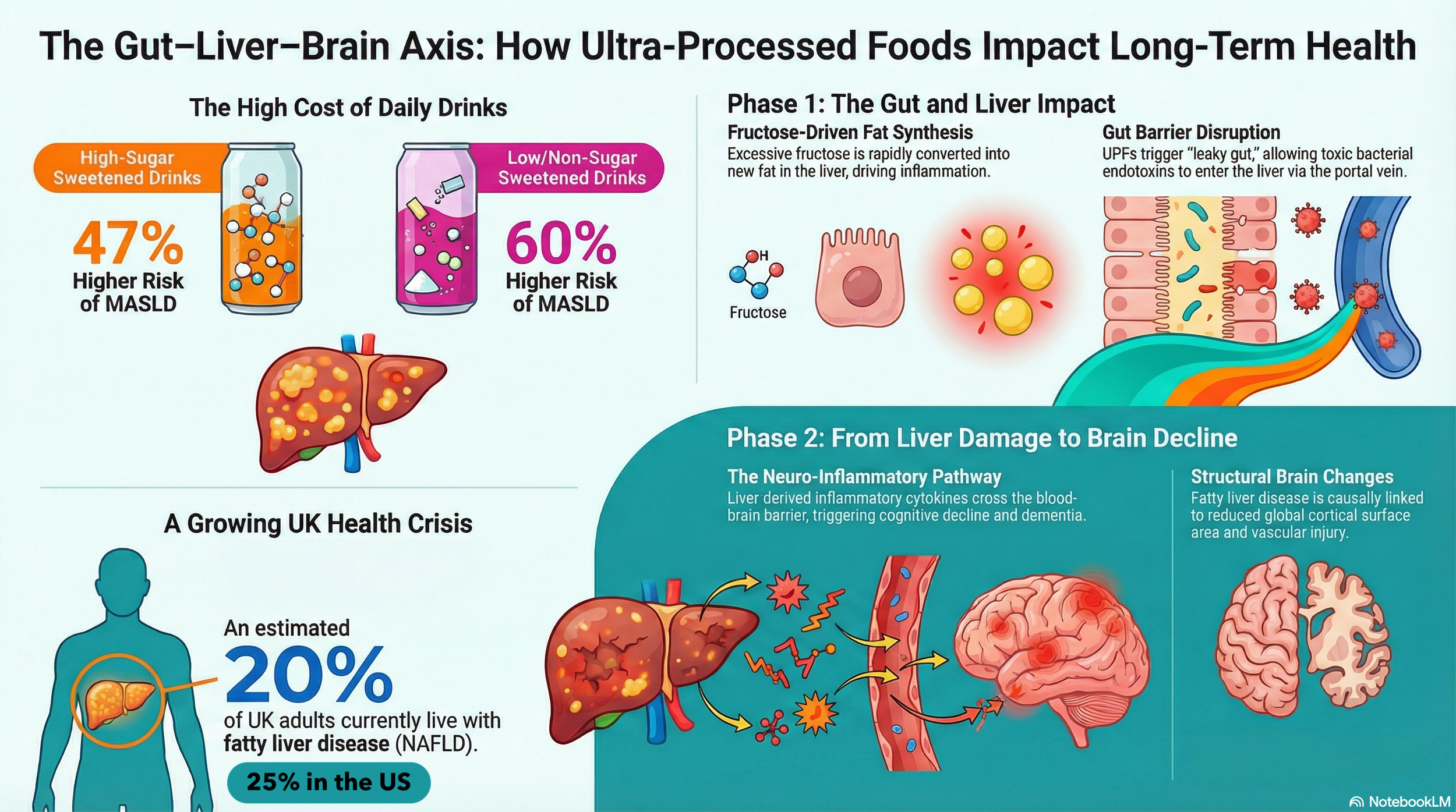
Artificially-sweetened and Sugary Drinks, and Ultra‑Processed Foods: From Liver Disease to Neurodegeneration
We often separate liver disease, metabolic disorders and dementia into different boxes, but ultra‑processed foods and sugary drinks connect them all.
Chronic exposure to liquid sugar and highly processed products drives fatty liver (MASLD), insulin resistance and systemic inflammation, which then spill over into the brain through the gut–liver–brain axis.
Emerging research links MASLD with higher rates of neuroinflammation, structural brain changes and dementia. Understanding this shared pathway transforms “just a can of soda” into a meaningful lever for protecting both long‑term metabolic health and cognitive function.

Ultra-Processed Foods, Real Life Budgets: How to Eat Well in a Cost-of-Living Crisis
Ultra-Processed Foods, Real Life Budgets: How to Eat Well in a Cost-of-Living Crisis
Ultra‑processed foods are back in the headlines—and once again, the message is loud, shaming, and painfully black‑and‑white.
“Just eat whole foods.”
“UPFs are toxic.”
“If you cared about your health/kids, you wouldn’t buy that.”
This kind of narrative completely ignores the reality of a cost‑of‑living crisis, parents working multiple jobs, and families who are simply trying to get everyone fed and out the door.
In my clinic, I don’t see “lazy people who don’t care.”
I see exhausted parents who haven’t been taught to cook.
I see families choosing between heating and fresh produce.
I see children growing up in food environments stacked against them.
Yes—a diet dominated by ultra‑processed “junk” foods, combined with low movement, high stress and poor sleep, is a genuine health risk. That’s not up for debate. But not all ultra‑processed foods are created equal, and treating them as if they are is both inaccurate and harmful.
Some products that fall under the “ultra‑processed” label can actually help in the real world: higher‑fibre cereals, fortified yoghurts, decent plant milks, tinned pulses, hummus that gets kids eating carrot sticks. For many low‑income households, these are practical tools to get enough calories, protein and fibre on the table—without collapsing under the weight of perfectionism.
What worries me most is that the current UPF conversation:
• Fuels food anxiety and “all‑or‑nothing” thinking.
• Shames people who are already doing their best under huge pressure.
• Distracts from the bigger drivers of poor health: stress, sleep, loneliness, inactivity, lack of support and skills.
Whole, minimally processed foods are still the foundation of long‑term health. But they have to be accessible, affordable and realistic. Health is not reserved for those who can afford organic farm boxes and have time to batch‑cook every Sunday.
Instead of asking, “Is this food ultra‑processed or not?”, a more useful question is:
“Given my budget, energy and life right now, is this overall pattern of eating moving me closer to how I want to feel—or further away?”
My new article explores:
• Why a junk‑heavy diet is genuinely problematic.
• Why not all UPFs are equally harmful.
• How to use some processed foods strategically, especially with kids.
• Practical, affordable shifts for families who can’t start from “perfect.”
• How we can talk about food in a way that is evidence‑based, compassionate and rooted in the real world—not just nutritional theory.
If you work with families, live on a tight budget yourself, or feel torn between “ideal” nutrition advice and your actual life, this one is for you.
What does “better, not perfect” eating look like in your world right now—and what support would actually make a difference?
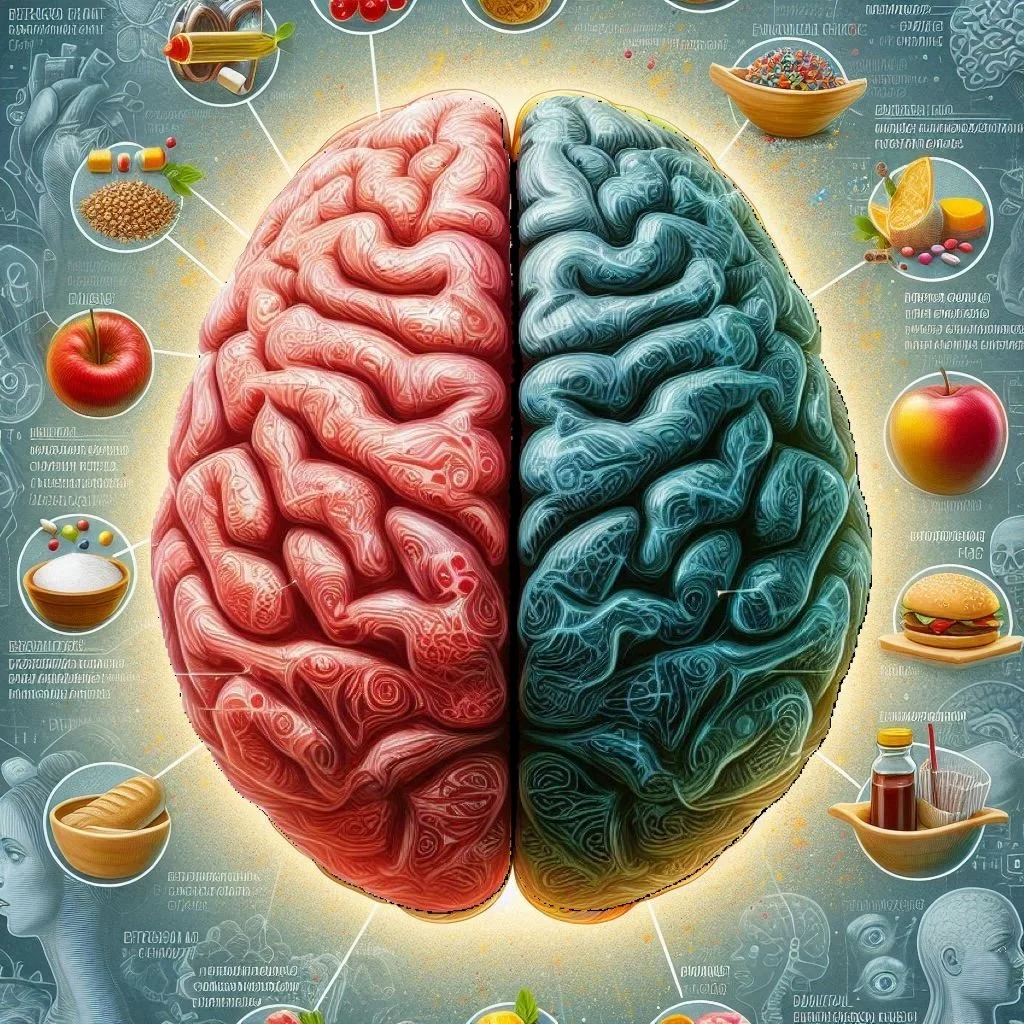
Fast Food, Foggy Brain: How High Sugar and High Fat Diets Impact Cognition
Fast Food, Foggy Brain: How High Sugar and High Fat Diets Impact Cognition
Emerging studies show that high-fat, high-sugar diets, especially those rich in fast food and ultra-processed snacks, can alter brain activity and accelerate cognitive decline, regardless of age or weight. Just a short period of indulgence can impair memory and decision-making, with long-term risks for dementia and poor mental performance.
Learn how food choices shape brain health and discover practical strategies for protecting your brain and supporting cognitive function.

The Long-Term Health Risks of Ultra-Processed Foods: How to Future-Proof Your Diet
The Long-Term Health Risks of Ultra-Processed Foods: How to Future-Proof Your Diet
Ultra-processed foods are everywhere. But what are the long-term risks of ultra-processed diets?
In the final part of the UPF series, I give the latest evidence linking these foods to obesity, diabetes, heart disease, and mental health issues. More importantly, I share practical, evidence-based steps to future-proof your diet and support lifelong wellbeing.
Ready to take control of your health?
Read the full article and discover how small changes can make a big difference.