
Beyond the “Happy Molecule”: A Naturopath’s Guide to Gut Serotonin, the Mechanics of Digestion, and What Fibre Got to Do With it
For decades, the mainstream conversation around serotonin has been dominated by a single, simplistic image: a chemical messenger in the brain that dictates our mood, happiness, and emotional well-being. We are taught to think of it as a neurochemical lever, pulled by our thoughts and often adjusted by pharmaceutical interventions. This view, while not entirely incorrect, is profoundly incomplete. It is the equivalent of judging an iceberg by its tip.
In my clinical practice as a naturopath, I have learned that sustainable health is never that simple. The body operates as an interconnected system, and true healing requires us to look beyond symptoms to the underlying physiological roots. When it comes to mood, energy, and even metabolic health, the conventional wisdom overlooks a fundamental biological reality: the brain is not the body's primary source of serotonin. 95% of the serotonin in the human body is synthesised deep within the gastrointestinal tract. This single fact reframes our understanding of the molecule, moving it from a purely neurological context into the realm of digestion, metabolism, and, most importantly for my clients and IBS sufferers, the food we eat every day.
The question then becomes: what controls this vast, extracerebral reservoir of serotonin? And, more importantly for our daily lives, how is its production influenced by the most variable factor we introduce to our bodies every day: our diet?
Recent discoveries in physiology, validated by clinical research, are providing us with a startling answer. They reveal that the gut’s serotonin production is not primarily a chemical reaction to the nutrients we ingest, but a physical response to the very act of digestion. It is a story of pressure, stretch, and biological electricity. It is a story that forces us to reconsider the consequences of modern dietary patterns, particularly the devastating impact of low-fibre, ultra-processed diets, on our long-term physical and mental health.
The Enterochromaffin Cell: The Gut’s Sensory Organ
To understand gut serotonin, we must first become intimately familiar with its source: the enterochromaffin (EC) cell. Scattered throughout the epithelial lining of our gastrointestinal tract, from the stomach to the colon, EC cells are the body’s forgotten sensory organs. From a clinical standpoint, these cells represent a critical junction where lifestyle meets biology. They are the primary interface between the chaotic, physical world of the gut lumen and the intricate signalling network of the nervous system. These cells are neuroendocrine specialists, meaning they can sense their environment and, in response, release hormones and neurotransmitters that influence everything from digestion to systemic inflammation.
For years, physiologists and clinicians observed that mechanical stimulation (the simple act of food moving through the gut) triggered serotonin release. If you gently brush the intestinal lining, you get an immediate pulse of serotonin. The phenomenon was well-documented in the literature, but no one quite understood the precise molecular trigger. We knew the what, but not the how. This gap in our understanding was elegantly filled by a landmark 2018 discovery by a team of scientists. They identified the critical missing piece of the puzzle: the Piezo2 channel. For those of us in the functional and naturopathic medicine community, this discovery validated what we had long suspected: the physical structure of our food matters as much as its chemical composition.
Piezo2: The Molecular Pressure Sensor
Piezo2 is a marvel of evolutionary engineering. It is an ion channel, a pore in the cell membrane, but it is not gated by a chemical signal like a neurotransmitter or a change in voltage. Instead, it is a mechanosensitive channel, a biological pressure plate. When the membrane of an EC cell is physically deformed (i.e., stretched, compressed, or sheared), the Piezo2 channel changes its conformation. It literally opens in response to mechanical force.
Here is the sequence of events that occurs every time you eat a meal, and which I explain to my patients to help them understand why “what” they eat is only half the story:
The Mechanical Stimulus:
Food enters your stomach and small intestine. As it accumulates and is mixed by peristaltic contractions, it exerts pressure on the intestinal walls. The presence of bulk, the sheer physical volume, causes a gentle but constant distension of the tissue. The EC cells, embedded in this lining, are stretched.
Channel Activation:
This stretching of the EC cell membrane exerts tension on the Piezo2 channels embedded within it. This mechanical tug causes the channel protein to undergo a structural change, opening its central pore. This is a purely physical event, independent of the food’s chemical nature.
Ionic Influx and Depolarisation:
With the pore open, positively charged ions, primarily calcium, rush into the EC cell down their electrochemical gradient. This influx of positive charge changes the cell's electrical potential, a process known as depolarisation.
Serotonin Exocytosis:
This electrical depolarisation acts as a direct and immediate trigger. It signals the cell's internal machinery to mobilise vesicles (tiny membrane-bound sacs filled with pre-synthesised serotonin). These vesicles fuse with the cell membrane and release their contents into the surrounding tissue.
From a clinical perspective, this sequence is very important. It means that digestion is not merely a chemical cascade; it is a biomechanical event. Pressure triggers chemistry. This explains why patients who switch to bland, low-residue, or ultra-processed diets often report changes in mood and bowel function that cannot be explained by nutrient content alone. They have altered the mechanical stimulus their gut requires to function optimally.
The Local and Systemic Roles of Gut Serotonin
Once released, this flood of serotonin doesn't just sit idly in the gut. It serves several critical functions, both locally and systemically, which have direct implications for clinical health outcomes.
— The Local Effect: The Primal Brain in Action
The immediate destination for much of this serotonin is the enteric nervous system (ENS). Often called the “second brain,” but which I prefer to call the “pimal brain,” the ENS is a complex network of about 500 million neurons embedded in the walls of your gastrointestinal tract. It is a marvel of local processing capable of governing digestive function independently of the central nervous system.
Serotonin acts as a master coordinator within the ENS. It stimulates the neurons that control peristalsis: the rhythmic muscular contractions that propel food, chyme, and eventually waste through the digestive tract. It promotes the secretion of fluids into the gut lumen to aid in digestion and the movement of contents. In essence, the mechanical act of food stretching the gut triggers a serotonin-mediated signal that says, “There is bulk here; we need to move it along.”
In my practice, I see the consequences of a breakdown in this system daily. Patients with chronic constipation, irritable bowel syndrome (IBS), or small intestinal bacterial overgrowth (SIBO) often present with a history of low-fibre diets. Without adequate physical stimulation of the gut, the serotonin signal weakens, peristalsis becomes sluggish, and the entire digestive ecosystem begins to falter. Restoring mechanical bulk through dietary fibre is often the first and most critical step in re-establishing healthy motility.
— The Systemic Effect: A Gut-Derived Endocrine Signal
Not all of the released serotonin stays in the gut. A significant portion enters the bloodstream, where it is rapidly taken up and stored by circulating platelets. Platelets do not synthesise serotonin themselves; they act as scavengers and transporters. By sequestering serotonin, platelets serve a dual purpose: they remove it from the circulation to prevent uncontrolled vasodilation or nerve activation, and they create a mobile reservoir of this potent signalling molecule.
Through this platelet-based transport, gut-derived serotonin influences several peripheral systems that are central to overall health:
Vascular Regulation: Serotonin is a potent vasoconstrictor. When platelets aggregate at a wound site, they release serotonin, helping to constrict damaged blood vessels and initiate clotting.
Immune Modulation: Serotonin receptors are found on various immune cells. Gut serotonin is now understood to modulate inflammation and immune responses both locally in the gut and systemically. This has implications for autoimmune conditions and chronic inflammatory states.
Metabolic Signalling: Emerging clinical evidence is revealing that gut-derived serotonin can influence liver function, insulin sensitivity, and even bone density. It is a critical player in whole-body metabolic homeostasis, linking digestive health directly to conditions like type 2 diabetes and osteoporosis.
This systemic reach, combined with the ENS’s direct connections to the brain via the vagus nerve, forms the foundation of the gut-brain axis. The state of our digestion, heavily influenced by what and how we eat, creates a constant stream of signals that can affect our mood, stress levels, and cognitive function. This is not esoteric theory; it is clinically observable. I have seen patients whose anxiety and depression symptoms improved dramatically, not through direct psychological intervention, but through dietary changes that restored healthy gut function. To ignore the gut’s contribution to our mental health is to ignore 95% of the story. This is why I devoted years of research and gathering clinical evidence before writing “Energise - 30 Days to Vitality.”
The Dietary Question: Mechanics vs. Biochemistry
This new understanding of serotonin’s mechanical trigger raises a critical question central to clinical practice: what happens when modern dietary patterns fundamentally alter the gut’s mechanical landscape?
Consider the stark contrast between two nutritional approaches: a traditional, high-fibre, whole-foods diet and the standard modern diet characterised by processed foods, low fibre, and high refined carbohydrates. More specifically, we might examine the growing popularity of restrictive regimens such as the carnivore diet or (bad) keto diets that eliminate plant matter entirely.
— The High-Fibre Model: Maximising Mechanical Stimulation
From an evolutionary and clinical standpoint, the human gut is adapted to handle a significant amount of dietary bulk. Fibre (the indigestible carbohydrates found in plants, including cellulose, pectin, and lignin) is a primary source of this bulk. Resistance starch also qualifies (a type of dietary fibre found in green bananas, plantains, and cooked-and-chilled potatoes that resists digestion and ferments in the large intestine). Fibre absorbs water, swells, and increases the mass and volume of the luminal contents. This creates a larger, more viscous food bolus that physically stretches the intestinal walls as it transits through the system.
One of the most important sources of dietary fibre is Linseeds (flax, for our US readers), producing mucilage as they absorb water, a mucous-like substance that protects and soothes the gut lining. Linseeds are also excellent sources of prebiotic fibre, the ideal food and energy source for the so-called “good” bacteria, which in turn produce short-chain fatty acids that support a strong, impermeable gut wall. Chia seeds offer similar advantages, and a diet that recommends against them misses the point altogether and proposes diets that may work against you.
Back to the gut, the mechanical distension produced by this fibre-rich bolus provides a potent, sustained stimulus for the Piezo2 channels on EC cells. In a high-fibre dietary context, one would predict robust, regular activation of gut serotonin release. This, in turn, supports vigorous peristalsis, promotes a healthy and diverse gut microbiome (as some fibre acts as a prebiotic), and maintains consistent serotonin signalling throughout the body. This is the environment in which our digestive physiology evolved and is optimised for. It is the template upon which traditional healing systems have based their dietary recommendations for millennia.
— The Low-Volume Challenge: The Modern Dietary Failure
Now, let's examine the standard modern diet or, in its most extreme form, a carnivore diet or a (bad) keto diet. These nutritional strategies are characterised by a low intake of, or complete elimination of, plant matter. In the case of the standard American diet (SAD), fibre is replaced by rapidly absorbed ultra-refined starches and sugars. In the carnivore and keto approach, proteins and fats are highly bioavailable and are efficiently digested and absorbed in the small intestine. The result in both cases is a significant reduction in the volume of material reaching the distal small intestine and, most notably, the colon.
From a purely mechanical perspective, the absence of fermentable fibre means there is less bulk. There is less physical distension of the distal gut. Theoretically, and increasingly in clinical observation, this translates into a weaker mechanical signal for the Piezo2 channels in that region. The logical question follows: Does a chronic lack of this physical stimulation lead to reduced serotonin release from EC cells in the lower bowel?
The clinical evidence suggests the answer is almost certainly yes. Patients on long-term, ultra-low-fibre diets frequently present with the hallmarks of serotonin deficiency in the gut: slowed motility, constipation, and an overgrowth of pathogenic bacteria that thrive in a stagnant environment.
The Tryptophan Factor and the Clinical Paradox
While the release of serotonin is mechanically gated, the synthesis of serotonin is entirely dependent on the availability of its precursor: the essential amino acid tryptophan. “Essential” means our bodies cannot produce it; we must obtain it from our diet. And the richest dietary sources of tryptophan are animal products: meat, eggs, poultry, and fish, cheese, yoghurt, some soy products, pumpkin/chia seeds, and nuts.
Herein lies a clinical paradox that often confuses patients. A low-carbohydrate or carnivore diet, while potentially providing less mechanical stimulation in the colon, provides an abundance of the raw material for serotonin synthesis. The EC cells in the small intestine, still stimulated by the passage of this nutrient-dense chyme, have a high concentration of tryptophan available to them. The picture becomes even more nuanced when we consider the brain.
For decades, the carbohydrate-serotonin connection has been a staple of nutritional advice. The mechanism is as follows: carbohydrate consumption stimulates insulin release. Insulin, in turn, promotes the uptake of competing large neutral amino acids (like leucine, isoleucine, and valine) into muscle and other tissues, but has less effect on tryptophan. This reduces the competition for transport across the blood-brain barrier, allowing more tryptophan to enter the brain, where it can be converted to serotonin. Therefore, a carbohydrate-rich meal can theoretically increase serotonin synthesis in the brain.
This is a real, biochemically valid mechanism. However, when discussing serotonin’s role in the body, we must remember that 95% of it is produced in the gut. While carbohydrates might subtly influence the 5% of serotonin in the brain, the mechanical bulk of fibre is a primary driver for the 95% in the gut. The brain’s “happiness” molecule is just a tiny fraction of a much larger, metabolically active pool. In my clinical experience, focusing on brain serotonin while ignoring the gut is like trying to fill a bathtub with the drain wide open.
The Consequences of a Low-Fibre Diet: A Clinical Perspective
So, what are the observable health consequences of a diet chronically low in the mechanical stimulus provided by fibre? As a naturopath, I see these consequences manifest in my clients’ daily lives. The effects are not limited to constipation, though that is a primary and telling symptom.
Compromised Gut Motility (The Slow Gut):
The most direct consequence of reduced mechanical stimulation is a slowing of peristalsis. If the signal that says “move the contents” (serotonin release triggered by stretch) is weaker, the colon’s muscular contractions will be less frequent and less powerful. This leads to slower transit time, increased water reabsorption from stool, and chronic constipation. A sluggish gut is not just uncomfortable; it is clinically significant. It increases the time that the mucosal lining is exposed to potential toxins and metabolites in the waste, raising the risk of diverticular disease and colorectal issues. It also leads to a condition called “Toxic Colon,” allowing toxins and no longer needed hormones to re-enter the circulation and continue to exert their effects. This is very often implicated in oestrogen-dominance syndrome, especially when combined with obesity or other metabolic disorders.
Dysbiosis and a Shifted Microbial Ecosystem:
The gut microbiome (the trillions of bacteria, fungi, and other microbes that reside in our colon) is profoundly shaped by what we eat. Fibre is their primary fuel source. When we deprive them of fibre, we starve the beneficial bacteria that produce short-chain fatty acids (SCFAs) like butyrate, acetate, and propionate. These SCFAs are critical for colonocyte health (the cells lining the colon), reducing inflammation, and strengthening the gut barrier. A fibre-deprived gut shifts toward a microbiome that ferments available proteins and amino acids, a process that can produce potentially harmful compounds like ammonia and phenols. This shift towards a pathogenic microbial profile, known as dysbiosis, is clinically linked to a higher risk of inflammatory bowel disease, colorectal cancer, and systemic metabolic disorders.
Increased Intestinal Permeability (aka Leaky Gut Syndrome):
The integrity of the gut barrier is an integral part of our health. It must allow nutrient absorption while preventing bacteria, endotoxins (such as lipopolysaccharides, or LPS, from bacterial cell walls), allergens, toxins, and undigested food particles from entering the bloodstream. The mucus layer (which also hosts secretory IgAs, our gut immune soldiers) and the tight junctions between intestinal epithelial cells are our first line of defence. A fibre-deficient diet, by starving SCFA-producing bacteria (particularly butyrate producers), weakens this barrier. Butyrate is a primary fuel source for colonocytes and directly strengthens tight junctions. Without it, the gut becomes more permeable. This allows LPS and other inflammatory molecules to “leak” into the portal circulation, triggering a state of low-grade, systemic inflammation, a condition now recognised in the clinical literature as a key driver in obesity, insulin resistance, autoimmune disease, and cardiovascular pathology. Butyrate is also an excellent source of energy for the brain. It reduces neuroinflammation, enhances blood-brain barrier integrity, inhibits histone deacetylases (HDACs), and promotes cognitive function, offering potential protection against neurodegenerative diseases. The impact of dietary fibre is not confined only to the gut but is systemic. This is another key element to keep in mind when considering the microbiota-gut-brain axis.
Altered Gut-Brain Signalling and Mood Disorders:
The vagus nerve is a superhighway of information from the gut to the brain. It relays signals about nutrient status, inflammation, and microbial activity. A gut that is chronically under-stimulated mechanically, inflamed due to dysbiosis, and deficient in normal serotonin signalling sends a very different set of signals to the brain than a healthy gut. This altered communication is increasingly implicated in mood disorders, anxiety, and even neurodegenerative conditions.
In my practice, I have observed that addressing gut health through increased fibre and appropriate probiotics often leads to significant improvements in mood and mental clarity, sometimes reducing or eliminating the need for other interventions. While the serotonin that directly affects mood in the brain is a separate pool, the systemic inflammation and altered neural input from an unhealthy gut have profound downstream effects on central nervous system function.
You can access my research and use my “bible” as the blueprint for a healthy gut, boundless vitality, and optimal cognitive function. I have done the hard work; now you have the key. Ready, set, start your engine.
Note. Available worldwide, check your country’s amazon if you are not in the UK.
A Naturopath’s Clinical Recommendation
The narrative that serotonin is merely a “happy molecule” manufactured in our brains is a dangerous oversimplification that has led to a therapeutic dead end for many patients. The reality, grounded in clinical physiology and observed daily in functional medicine practices, is that serotonin is a master regulator of digestion, a key player in vascular and immune function, and a fundamental component of the gut-brain axis. Its production is a stunning example of how our body converts physical forces into chemical signals.
The discovery of the Piezo2 channel in enterochromaffin cells has completed a crucial part of this puzzle. It confirms that the physical bulk of our food is not passive ballast; it is an active, essential physiological stimulus. A diet rich in fibre provides the necessary mechanical pressure to ensure robust serotonin release, healthy motility, and a flourishing microbial ecosystem. It is a diet that works with our body’s fundamental design.
Conversely, a diet chronically low in this mechanical stimulation, whether the standard processed-food diet or a restrictive regimen such as a long-term carnivore or (bad) keto approaches, poses a significant physiological challenge. While such diets may provide ample tryptophan, they risk creating a low-volume environment in the colon, leading to dysmotility, microbial starvation, and a compromised gut barrier. The long-term health consequences of this disruption are increasingly evident in the clinical literature, and the mechanistic plausibility for harm is significant.
This is not to say that low-carbohydrate or elimination diets cannot be therapeutic in the short term for specific individuals. In my practice, I sometimes use temporary low-fibre protocols to manage SIBO, acute inflammation, severe dysbiosis, diverticulitis or colon surgery. But as a long-term, universal solution, chronic fibre restriction flies in the face of our evolutionary heritage and our established physiological requirements for mechanical stimulation and prebiotic nourishment.
Conclusion: You Are Not Just What You Eat, But How You Stretch
The next time you consider your diet, I encourage you to look beyond the macros, calories, and trending philosophies. Think about the physical experience of your gut as it has done for millions of years. Think about the pressure on its walls, the gentle stretch of its tissues, and the mechanical opening of Piezo2 channels. In the rhythmic expansion of a well-fed gut, a vast amount of our body’s serotonin is being released, orchestrating a symphony of health that echoes far beyond our digestive tract.
The question, “Are we guided by our brains or the way we eat?” may be the wrong one. The truth, supported by both ancient wisdom and modern clinical science, is far more integrated: our brain, our mood, and our metabolic health are inextricably linked to the mechanical and biological realities of what we choose to put on our plate. And in that reality, fibre is not an optional extra or a dietary fad. It is a fundamental requirement for a well-regulated, healthy life. As a naturopath, my most profound and consistent clinical observations have taught me this: heal the gut, and the rest of the body follows. And healing the gut begins with giving it the physical work it was designed to do.
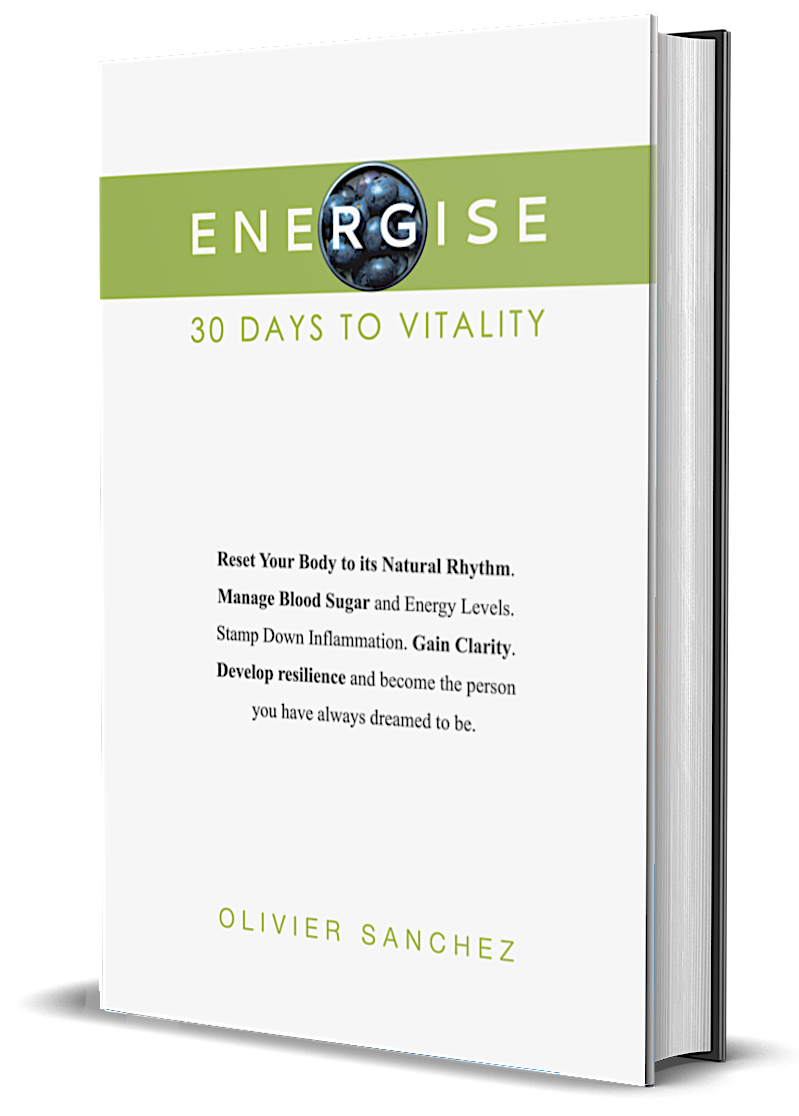
The key to the new you is here