Are you looking to contribute to our platform?
For recipes and healthy eating
Access articles by categories
- Mental Health 51
- Stress 46
- Inflammation 40
- Gut Health 34
- Health 29
- Mindfulness 25
- Burnout 23
- Stress Management 20
- Anxiety 18
- Diet 14
- Detox 13
- Nutrition 12
- Sleep 12
- Neuroinflammation 11
- Toxins 11
- Healthy Eating 10
- Health Tips 9
- Hormones 9
- Immunity 9
- Liver 8
- Obesity 8
- Core Values 7
- Magnesium 7
- Mental Health and Well-being 7
- Metabolic Syndrome 7
- UPFs 7
- Brain Health 6
- Leaky Gut 6
- Mental Health Awareness 6
- Metabolic Health 6
- Neurodegeneration 6
- Pollution 6
- Self-care 6
- Self-growth 6
- Vitamins and Minerals 6
- Depression 5
- Gut Microbiome 5
- IBS 5
- Journaling 5
- Resilience 5
- Weight Loss 5
- Alzheimer's 4
- Collagen 4
- Detoxification 4
- Diabetes 4
- Digestion 4
- Emotional Freedom 4
- Energy 4
- Exercise 4
- Fatigue 4
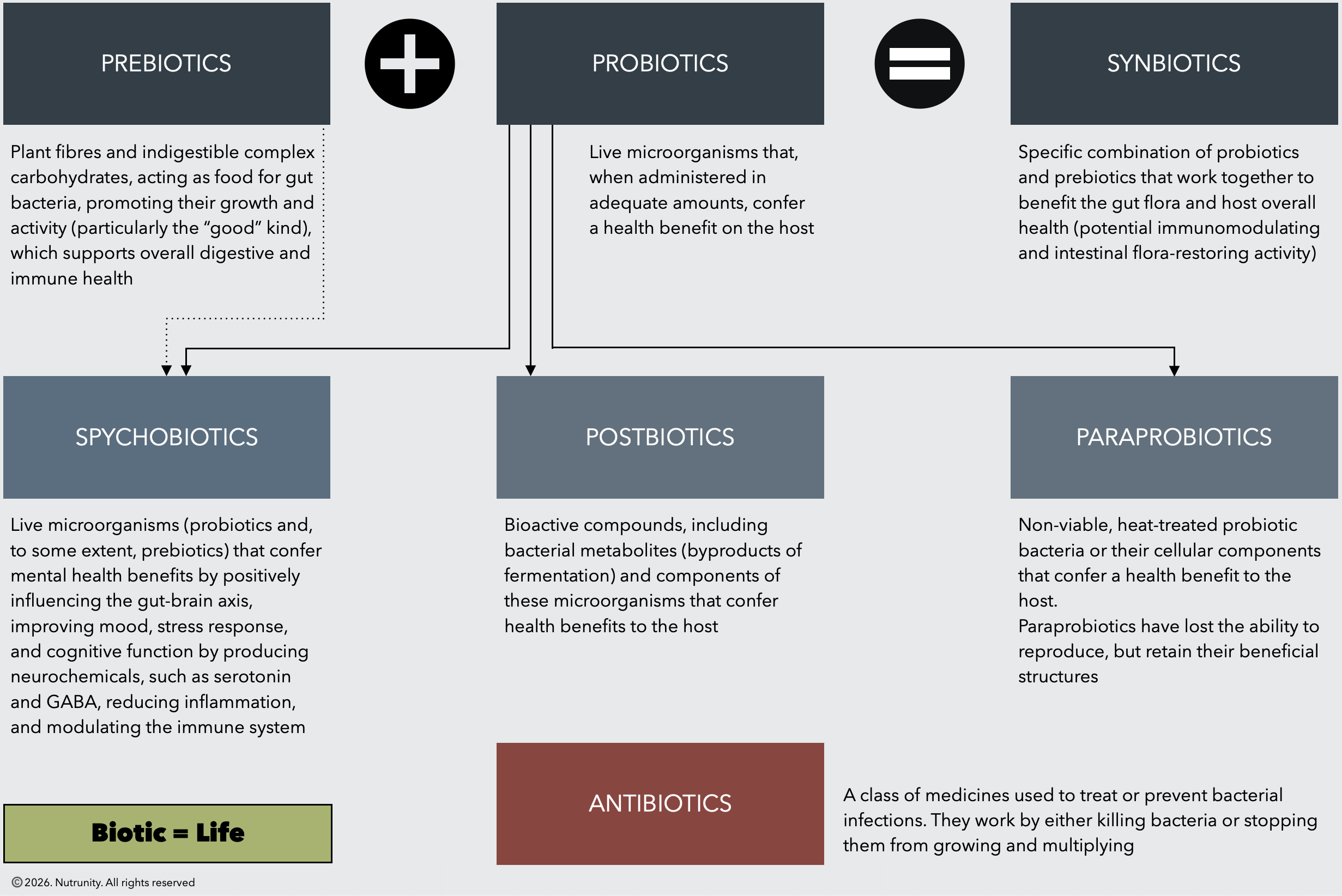
What Are Paraprobiotics? Their Role in Gut Health, Immunity and Mental Well‑Being
What Are Paraprobiotics? Their Role in Gut Health, Immunity and Mental Well‑Being
Discover how paraprobiotics differ from other biotics and how they appear to influence gut barrier integrity, inflammation and the microbiota–gut–brain axis
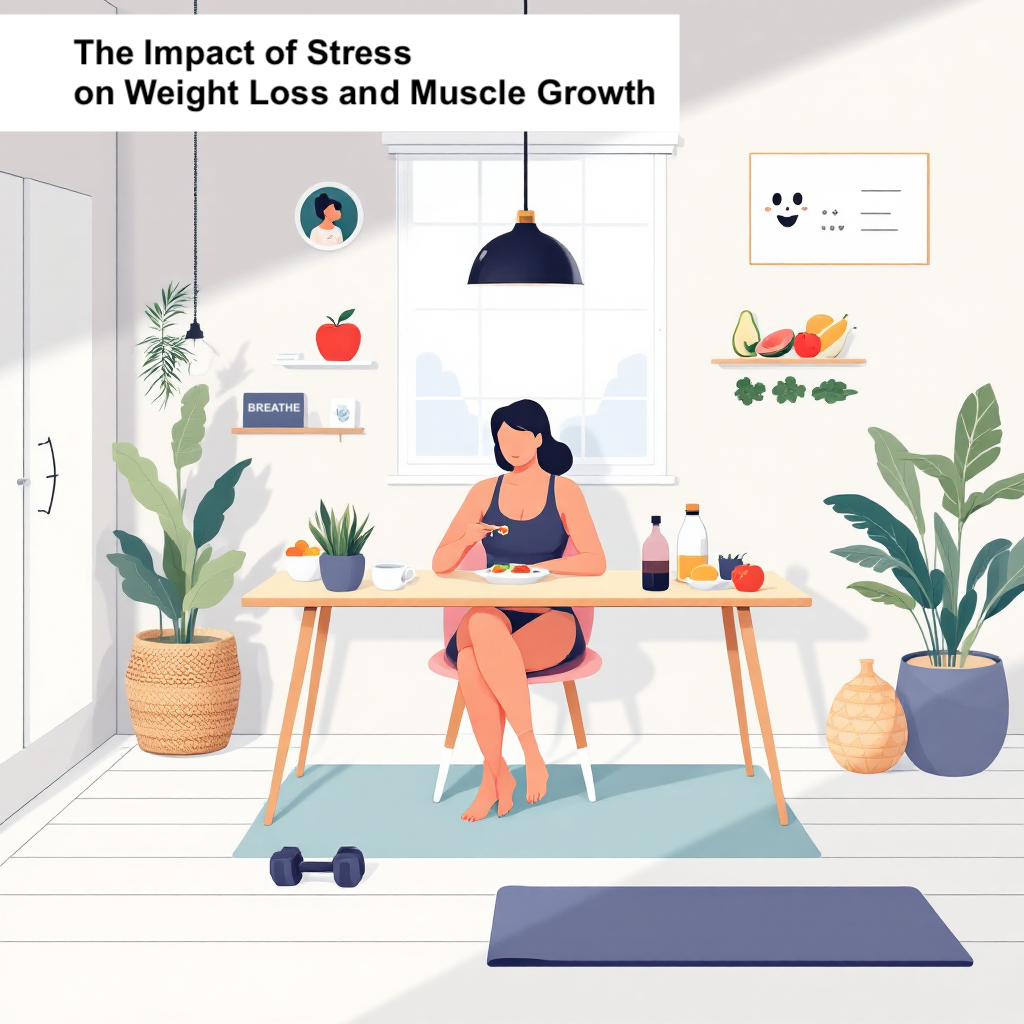
The Impact of Stress on Weight Loss and Muscle Growth
The Impact of Stress on Weight Loss and Muscle Growth

How to Make New Year Resolutions That Last: 6 Realistic Habits for 2026
How to Make New Year Resolutions That Last: 6 Realistic Habits for 2026
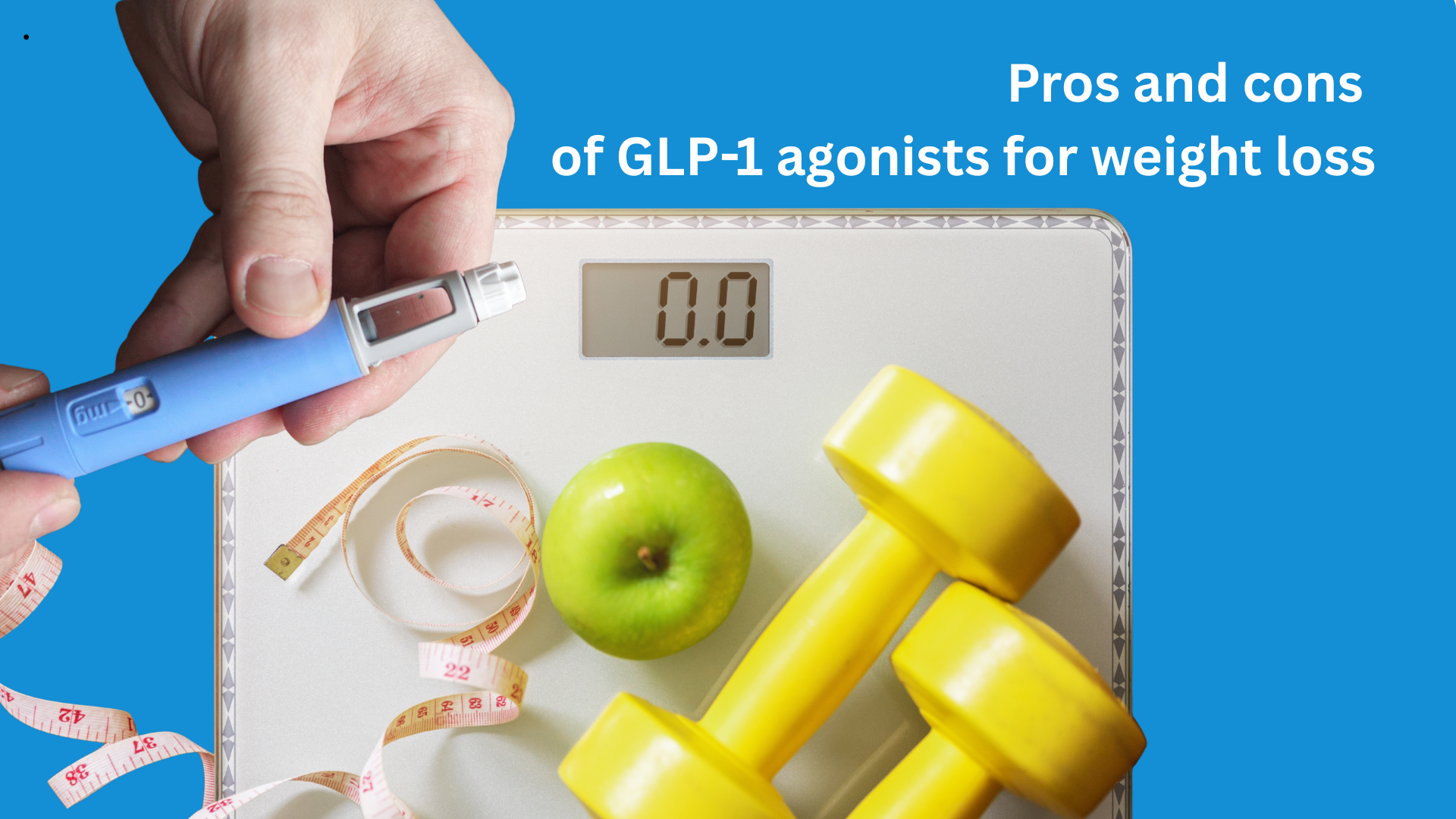
Pros and cons of GLP-1 agonists for weight loss
Pros and cons of GLP-1 agonists for weight loss
GLP-1 injections can drive major weight loss, but at a cost. Learn real benefits, risks, and safer long-term options for your health.
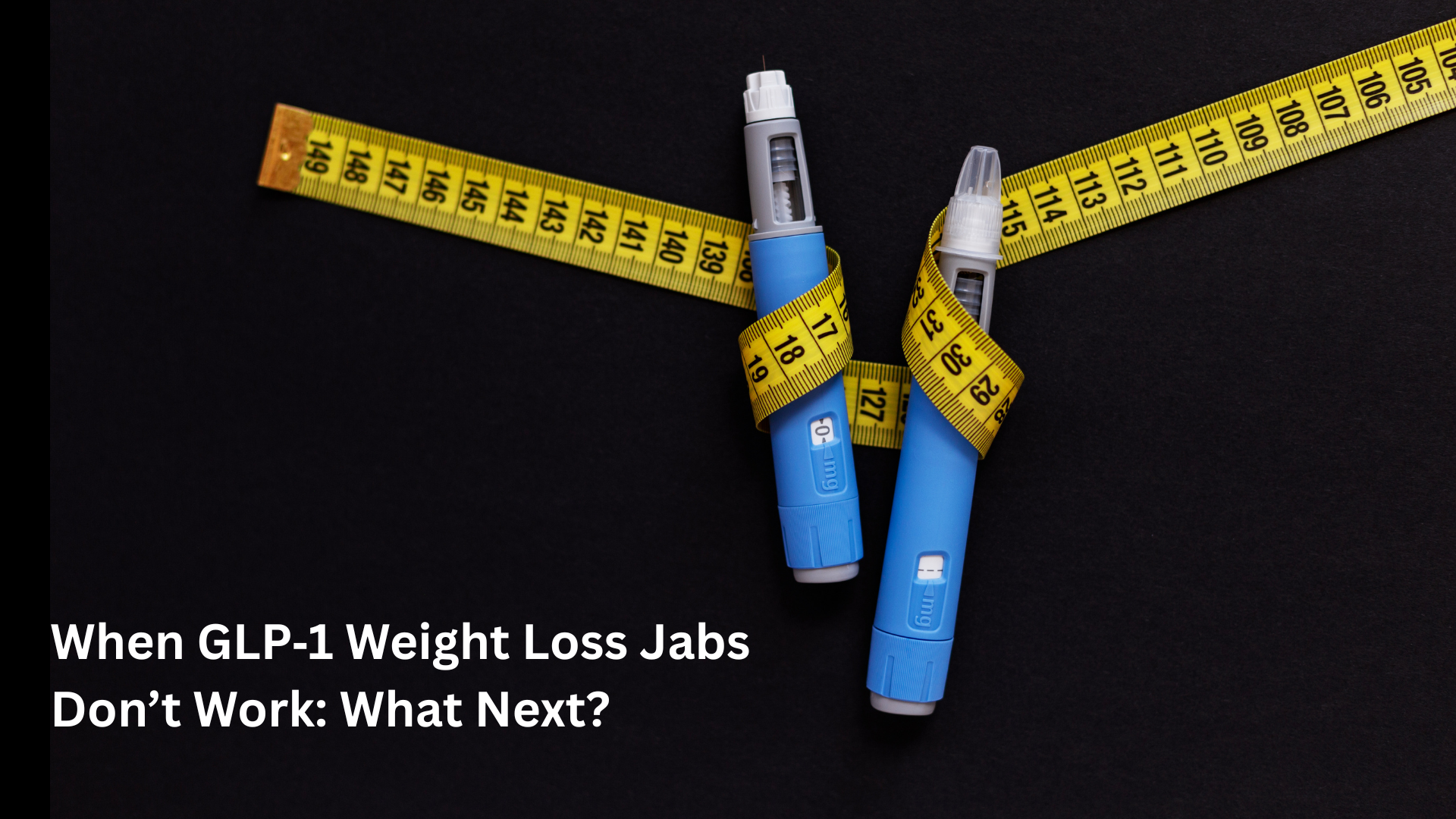
When GLP‑1 Weight Loss Jabs Don’t Work: What Next?
When GLP‑1 Weight Loss Jabs Don’t Work: What Next?
Explore options and what it means for you if the jab is not delivering the results you were led to expect.
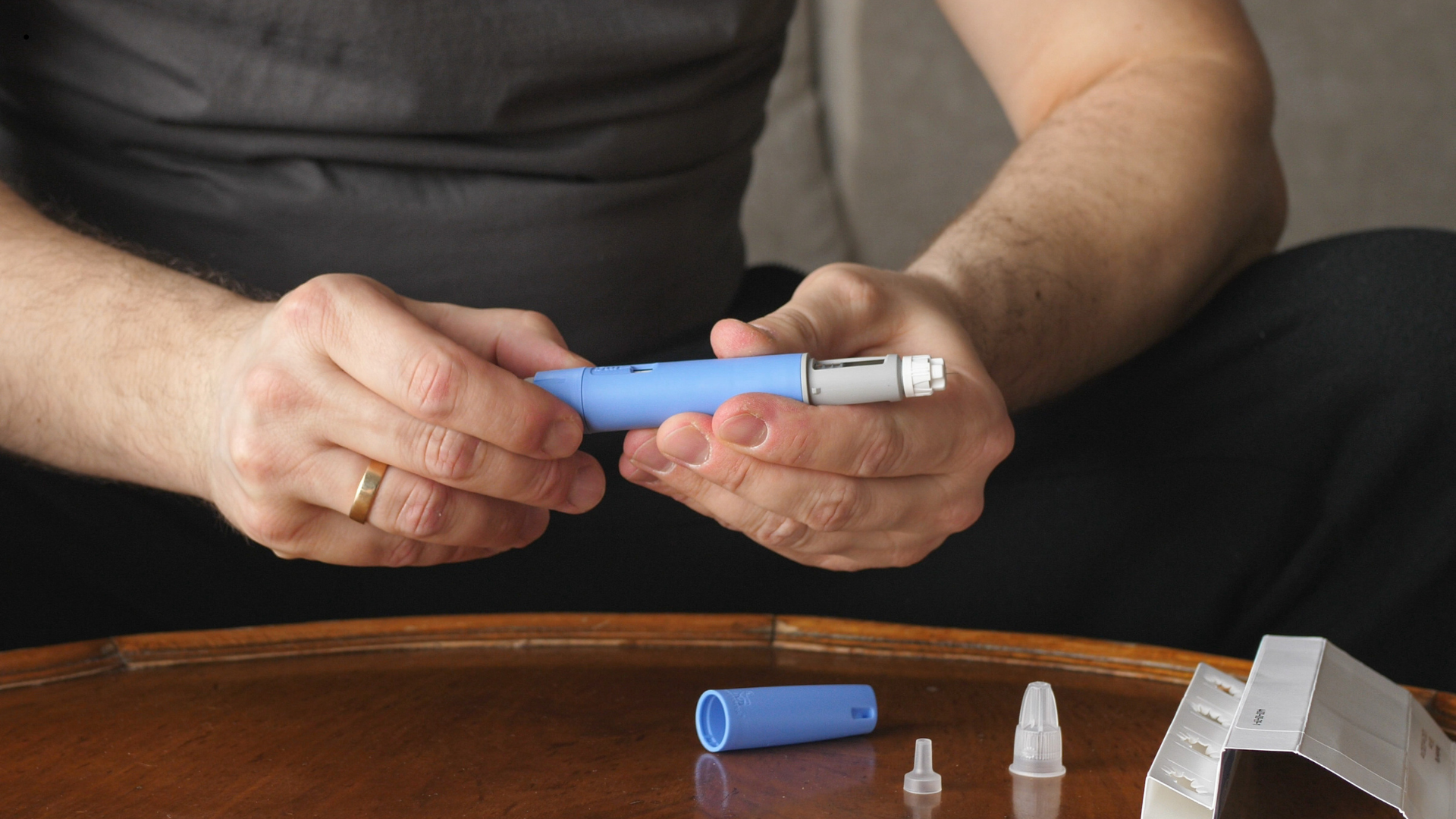
GLP‑1 Weight Loss Jabs: The Risks We’re Not Talking About Enough
GLP‑1 weight loss injections represent a significant advance in obesity treatment science. For many people living with severe obesity and metabolic disease, they offer a clinically meaningful opportunity to reduce risk and improve quality of life. At the same time, they bring new challenges in nutrition, bone and muscle health, psychological adjustment, and responsible prescribing.
What has not changed is the fundamental truth that sustainable health is built on balanced, nutritious eating, regular movement adapted to each person’s ability, adequate rest, supportive relationships, and compassionate self‑care. Medication can be a powerful tool, but it cannot replace holistic support.
As use of GLP‑1 weight loss injections grows, the conversation must move beyond simple “for” or “against” arguments. The real questions are: under what circumstances do the benefits outweigh the risks? What safeguards and supports must be in place? And how can we ensure that people using these drugs are not left to navigate the physical and emotional consequences alone?
Those questions require input from clinicians, dietitians, psychologists, researchers, and people with lived experience. Above all, they need a shift from quick‑fix thinking to a long‑term, person‑centred approach where weight is one piece of the puzzle — not the whole story.
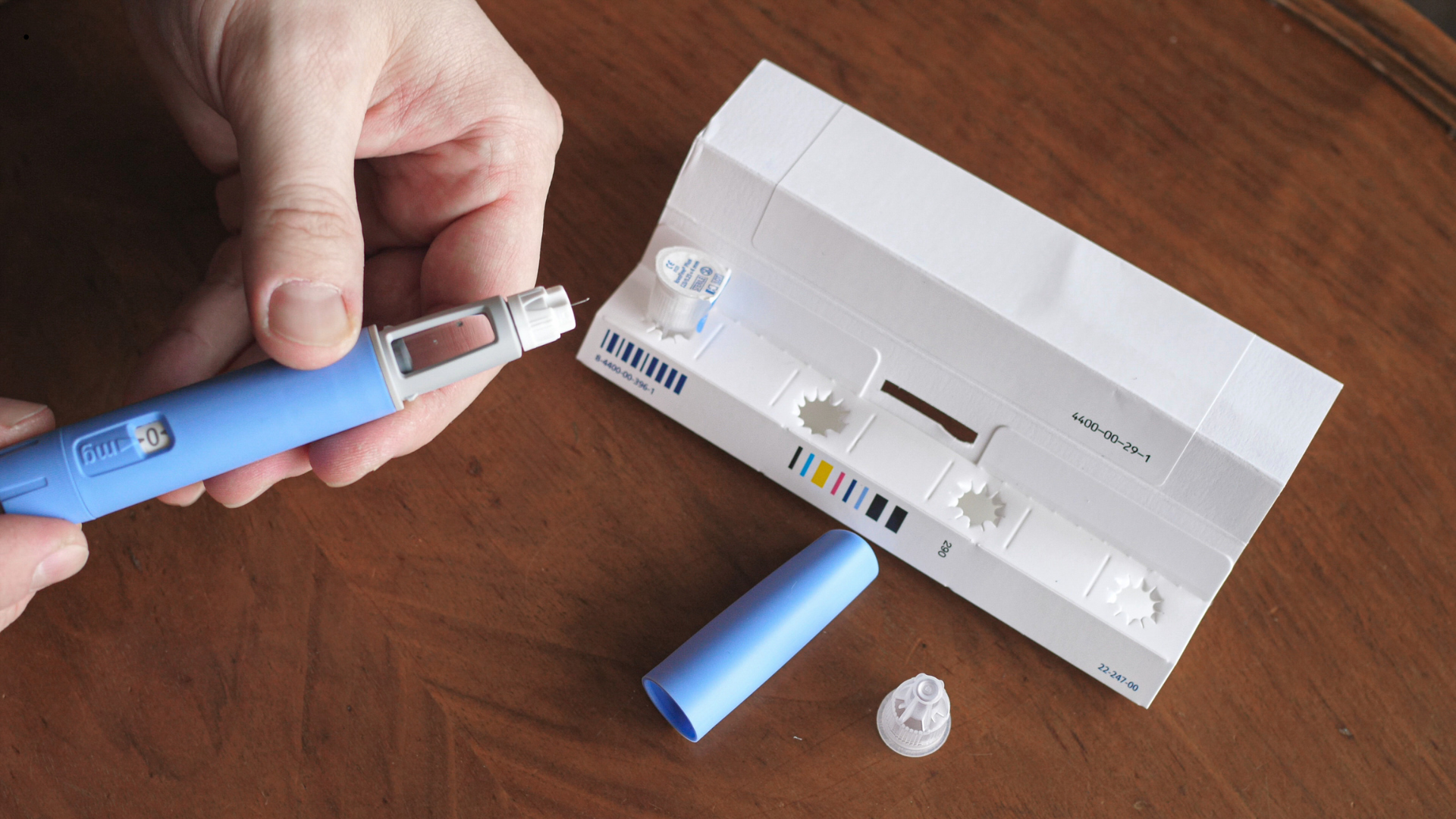
Weight‑Loss Jabs: Why Users Regain Weight After Cessation (and How to Reduce Rebound)
Weight‑Loss Jabs: Why Users Regain Weight After Cessation (and How to Reduce Rebound)
Weight‑loss jabs like Ozempic, Wegovy and Mounjaro have transformed obesity care, but almost no one is talking about what happens when you stop them. This article unpacks the emerging research on “Ozempic rebound” and semaglutide cessation, showing why so many patients rapidly regain weight once the injections end, and how this can undo hard‑won metabolic gains. It also explores the real‑world side‑effect burden (from daily nausea and gut issues to rarer complications like pancreatitis and gallbladder disease) and explains why these drugs should be treated as long‑term, medically supervised therapies rather than quick fixes.
For clinicians, coaches and patients, it offers practical, evidence‑based strategies to minimise rebound weight gain, protect muscle and nutrient status, and make genuinely informed decisions about starting — and eventually stopping — weight‑loss injections.

Ultra-Processed Foods, Real Life Budgets: How to Eat Well in a Cost-of-Living Crisis
Ultra-Processed Foods, Real Life Budgets: How to Eat Well in a Cost-of-Living Crisis
Ultra‑processed foods are back in the headlines—and once again, the message is loud, shaming, and painfully black‑and‑white.
“Just eat whole foods.”
“UPFs are toxic.”
“If you cared about your health/kids, you wouldn’t buy that.”
This kind of narrative completely ignores the reality of a cost‑of‑living crisis, parents working multiple jobs, and families who are simply trying to get everyone fed and out the door.
In my clinic, I don’t see “lazy people who don’t care.”
I see exhausted parents who haven’t been taught to cook.
I see families choosing between heating and fresh produce.
I see children growing up in food environments stacked against them.
Yes—a diet dominated by ultra‑processed “junk” foods, combined with low movement, high stress and poor sleep, is a genuine health risk. That’s not up for debate. But not all ultra‑processed foods are created equal, and treating them as if they are is both inaccurate and harmful.
Some products that fall under the “ultra‑processed” label can actually help in the real world: higher‑fibre cereals, fortified yoghurts, decent plant milks, tinned pulses, hummus that gets kids eating carrot sticks. For many low‑income households, these are practical tools to get enough calories, protein and fibre on the table—without collapsing under the weight of perfectionism.
What worries me most is that the current UPF conversation:
• Fuels food anxiety and “all‑or‑nothing” thinking.
• Shames people who are already doing their best under huge pressure.
• Distracts from the bigger drivers of poor health: stress, sleep, loneliness, inactivity, lack of support and skills.
Whole, minimally processed foods are still the foundation of long‑term health. But they have to be accessible, affordable and realistic. Health is not reserved for those who can afford organic farm boxes and have time to batch‑cook every Sunday.
Instead of asking, “Is this food ultra‑processed or not?”, a more useful question is:
“Given my budget, energy and life right now, is this overall pattern of eating moving me closer to how I want to feel—or further away?”
My new article explores:
• Why a junk‑heavy diet is genuinely problematic.
• Why not all UPFs are equally harmful.
• How to use some processed foods strategically, especially with kids.
• Practical, affordable shifts for families who can’t start from “perfect.”
• How we can talk about food in a way that is evidence‑based, compassionate and rooted in the real world—not just nutritional theory.
If you work with families, live on a tight budget yourself, or feel torn between “ideal” nutrition advice and your actual life, this one is for you.
What does “better, not perfect” eating look like in your world right now—and what support would actually make a difference?
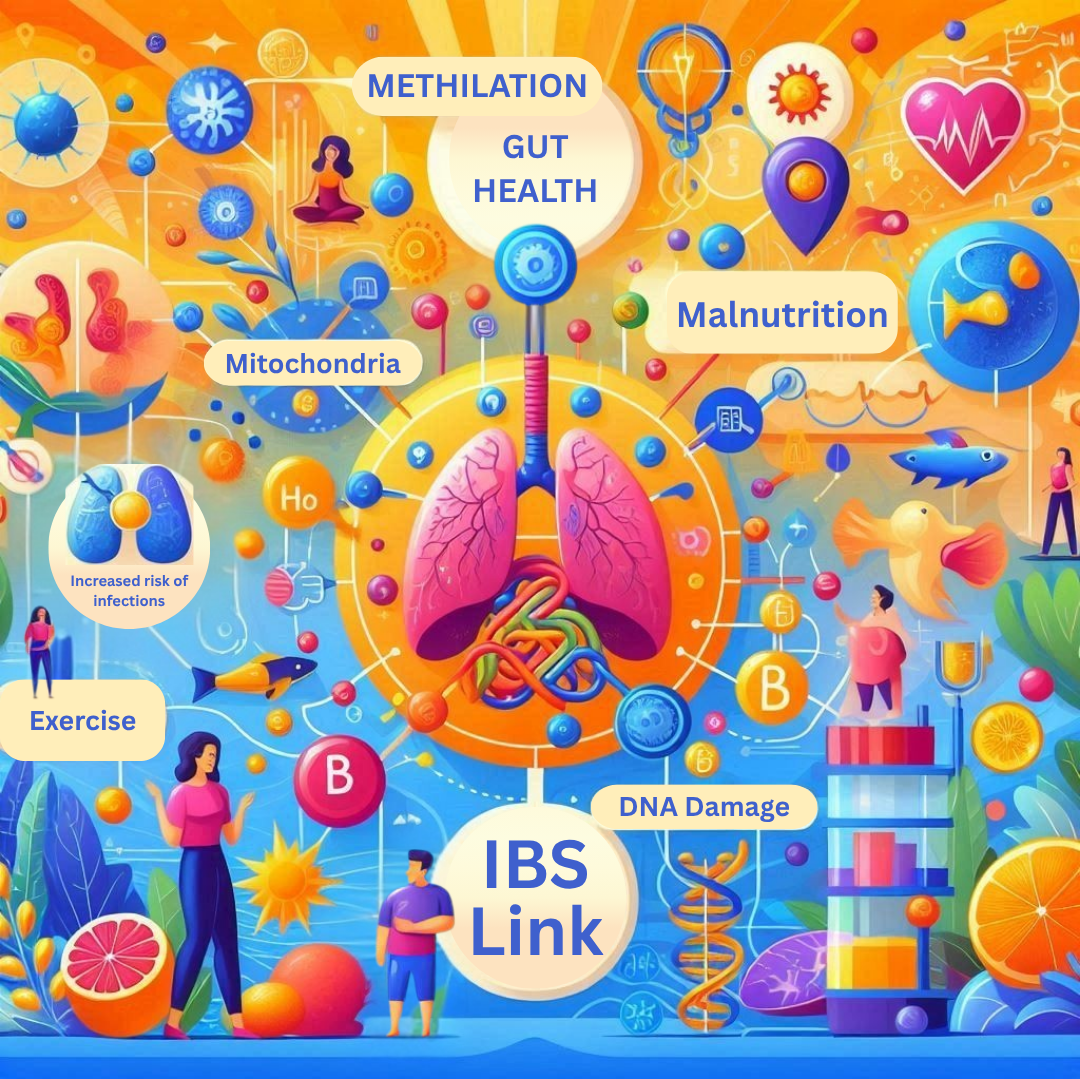
The Missing Link in IBS: How Methylation, Mitochondria, and B Vitamins Shape Your Gut Health
The Missing Link in IBS: How Methylation, Mitochondria, and B Vitamins Shape Your Gut Health
Unlock the science behind IBS relief. Discover how methylation and mitochondrial health intersect with digestive wellness, genetics, and nutrition. This article dives deep into why methylation matters for gut health, energy, hormone balance, and detoxification, and how small lifestyle shifts can influence gene activity, improve symptoms, and help you feel vibrant again.
Ideal for practitioners, researchers, and anyone interested in holistic approaches to managing chronic gut issues.
#IBS #Methylation #Mitochondria #GutHealth #NutritionScience

Effective Digital Boundaries to Take Back Control: A Complete Guide
Effective Digital Boundaries to Take Back Control: A Complete Guide
Struggling to find focus and balance in a world that’s always “on”? Digital boundaries are essential for protecting your mental health, personal relationships, and meaningful work. My latest guide breaks down practical strategies, from device-free rituals to emotional boundaries online, so that you can reclaim your attention, energy, and peace of mind.
Which boundary has made the most significant difference for you, or where do you need extra support?
Let’s start a conversation.
#DigitalWellbeing #MentalHealthMatters #HealthyBoundaries